Asahi Recycled Plastic Bottles Mark a Major Win in Australia
Asahi Recycled Plastic Bottles Mark a Major Win in Australia
Asahi recycled plastic bottles now extend across the company’s complete Australian soft drink portfolio, including familiar names such as Schweppes, Solo and Pepsi. The transition affects approximately 350 million bottles produced each year.
The company announced the completed conversion on 19 August 2026. Its 100% recycled-plastic claim applies to the bottle body and does not include caps or labels—a qualification consumers should note when assessing the change.
What Asahi has changed
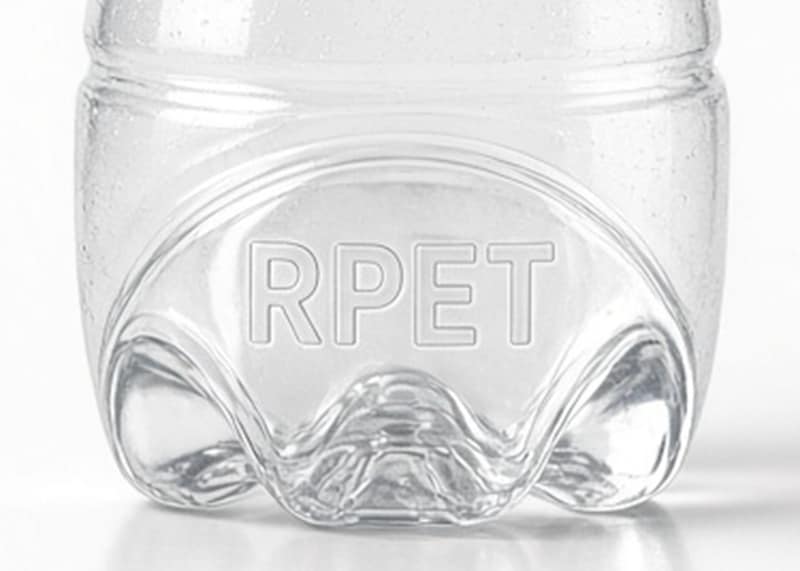
Asahi Beverages says every plastic soft drink bottle it manufactures in Australia is now made from recycled polyethylene terephthalate, commonly called recycled PET or rPET.
The change replaces virgin plastic in bottles sold across its carbonated soft drink range. Asahi’s Cool Ridge and Frantelle water bottles and Cottee’s cordial bottles are also produced using 100% recycled plastic in their bottle bodies.
The scale distinguishes the announcement from a limited packaging trial. According to Asahi, around 350 million soft drink bottles a year are covered by the completed transition.
Industry publication PKN Packaging News independently reported the same figure and confirmed that the recycled-content commitment excludes caps and labels.
Key facts
- Announcement date: 19 August 2026
- Market covered: Australia
- Estimated volume: Around 350 million soft drink bottles annually
- Recycled content: 100% recycled plastic in the bottle body
- Exclusions: Caps and labels
- Named brands: Schweppes, Solo and Pepsi
- Material: Recycled PET
- Manufacturing support: Recycling plants in Albury and Altona North
Australian recycling plants support the transition
A larger domestic supply of food-grade recycled PET helped make the conversion possible.
Asahi is one of four participants in Circular Plastics Australia (PET), alongside Cleanaway Waste Management, Pact Group and Coca-Cola Europacific Partners. The venture operates recycling plants in Albury, New South Wales, and Altona North, Victoria.
The Albury facility began operating in December 2021, followed by the Altona North plant in December 2023. Circular Plastics Australia says the two facilities have increased Australia’s locally sourced rPET production capacity from roughly 30,000 tonnes to more than 70,000 tonnes a year.
Used PET containers collected through material-recovery facilities and container deposit schemes are processed into food-grade recycled resin. That material can then return to the supply chain as new beverage packaging. Asahi recycled plastic bottles
Why container deposit schemes matter
Australia now has container deposit arrangements in every state and territory. These programs reward people for returning eligible drink containers rather than placing them in general waste.
For bottle-to-bottle recycling, collection is only the beginning. Material must also be properly sorted and processed to meet the requirements for food-contact packaging.
Asahi says the deposit schemes provide recycling plants with a consistent source of used bottles. Domestic processing capacity then helps convert that material into resin suitable for new bottles, reducing the company’s dependence on virgin PET and imported recycled material.
A supply-chain decision as well as an environmental one
Asahi Beverages Group CEO Amanda Sellers presented the move as both a sustainability measure and a way to strengthen packaging supply.
Using locally processed recycled material can provide manufacturers with another source of PET while creating commercial demand for bottles recovered through Australian recycling systems.
However, recycled content does not eliminate packaging waste. The environmental value of a circular system still depends on bottles being returned, correctly sorted and recycled again after use.
The announcement should therefore be understood as a significant recycled-content milestone—not a claim that every component of the package is recycled or that every bottle sold will automatically be recovered.
What consumers should know
Consumers do not need to follow a different return process because the bottle body contains recycled PET. Eligible containers can continue to be returned through the relevant state or territory deposit scheme.
Caps and labels should not be counted as part of Asahi’s 100% recycled-plastic statement. The claim applies specifically to the main bottle.
People should follow local recycling instructions because collection requirements can differ between jurisdictions.
What the development means for Australian packaging
Moving an entire high-volume soft drink portfolio to recycled PET creates sustained demand for locally recovered plastic.
That demand is important to a circular packaging system: collection programs need processing facilities, while recycling plants need customers for the material they produce. Asahi’s transition links these parts of the system at a substantial commercial scale.
The next measure of progress will be whether collection and bottle-to-bottle recycling rates continue to increase. Transparent reporting on recovered material, packaging volumes and components not covered by recycled-content claims will also help consumers evaluate future commitments.
Frequently asked questions
Are all parts of Asahi soft drink bottles made from recycled plastic?
No. The 100% recycled-plastic claim covers the bottle body. Caps and labels are excluded.
How many bottles are affected?
Asahi estimates that around 350 million Australian soft drink bottles each year are now made with 100% recycled plastic in the bottle body.
Which brands are included?
The Australian range includes brands such as Schweppes, Solo and Pepsi. Asahi also says its Cool Ridge and Frantelle water bottles and Cottee’s cordial bottles use recycled plastic.
Where is the recycled PET processed?
Circular Plastics Australia operates PET recycling facilities in Albury, New South Wales, and Altona North, Victoria.
Can the bottles be recycled again?
PET can be processed into new packaging when it is correctly collected, sorted and treated. Actual recovery depends on consumers using the appropriate local recycling or container-return system.
Sources
- Asahi Beverages announcement, 19 August 2026
- PKN Packaging News report, 20 August 2026
- Circular Plastics Australia facility information
Recycled Plastics Italy: First Consumption Decline Signals Pressure on the Supply Chain