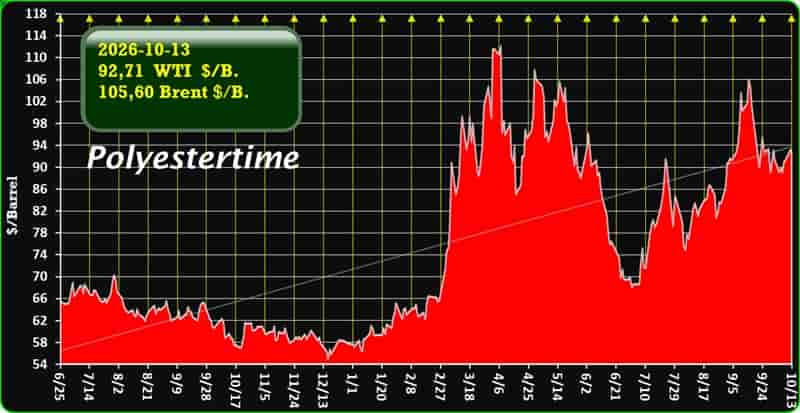
US – Iran Tensions and Oil Prices: Brent Holds Near $91-$93 and WTI Near $85-$86
US Iran oil prices
US – Iran Tensions and Oil Prices: Brent Holds Near $91-$93 and WTI Near $85-$86
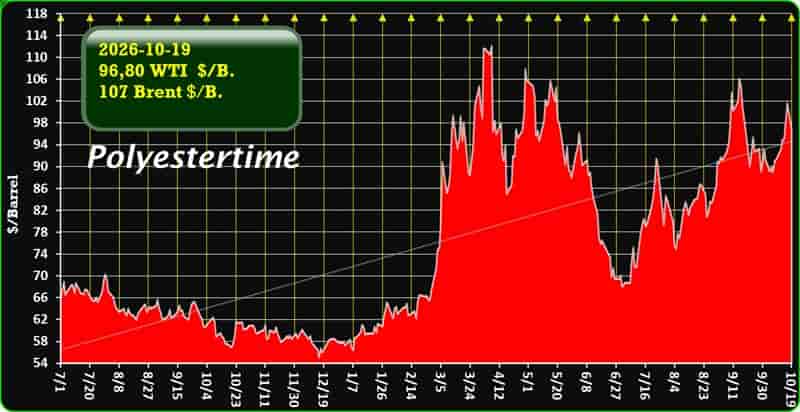
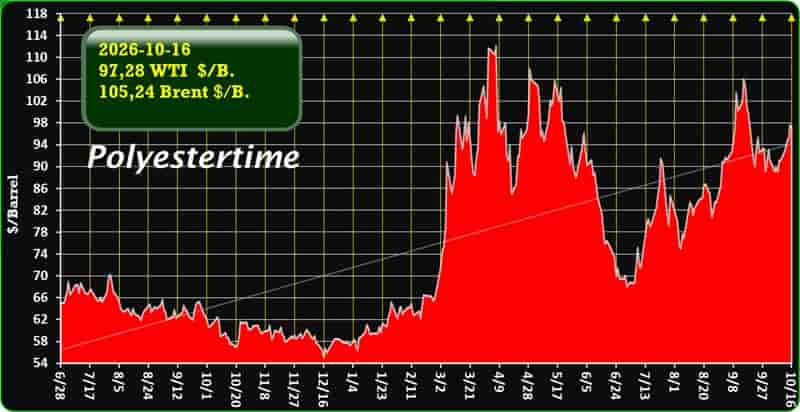
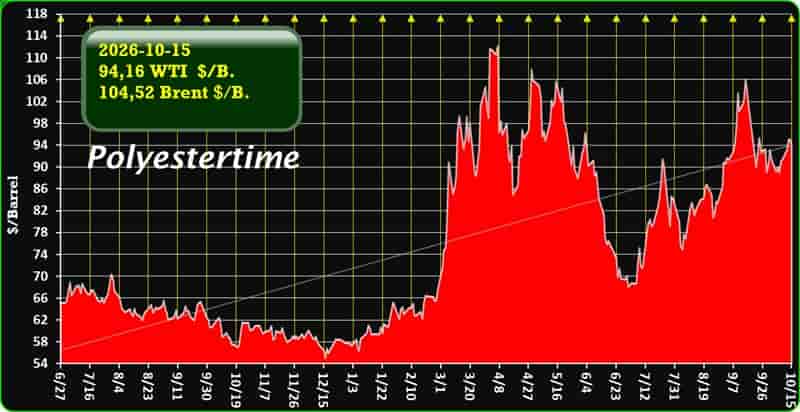
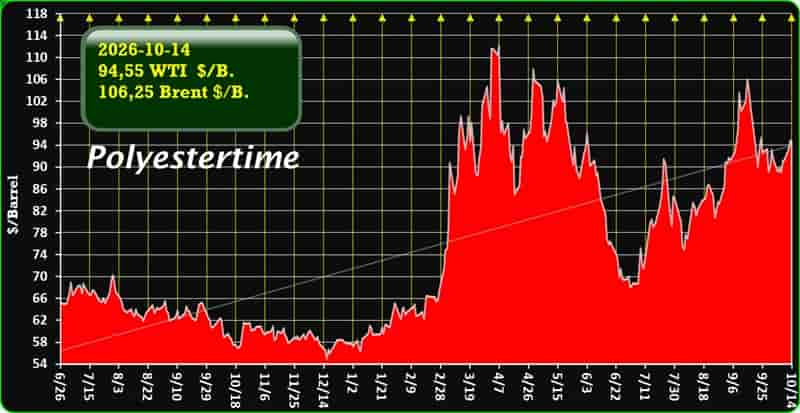
Global energy markets are navigating a complex landscape on August 24, 2026, as geopolitical standoffs between the United States and Iran continue to dictate crude price action. Benchmark international crude contracts are hovering near elevated territory, with Brent crude trading in the $91 to $93 per barrel range and West Texas Intermediate (WTI) trading around $85 to $86 per barrel.
While crude futures posted weekly gains exceeding 5% in prior sessions, trading on August 24 reflects a slight pullback as market participants balance profit-taking with anticipation over Washington’s unveiling of its toughest economic sanctions campaign against Tehran to date.
Imminent US Sanctions Package Drives Volatility
The primary driver dominating financial news today is the prospective announcement of a expanded U.S. sanctions framework targeting Iranian oil exports and associated financial entities. U.S. officials have characterized the upcoming measures as a historic tightening of economic pressure intended to curtail Iranian crude trade.
This monetary and trade push comes in the wake of a prolonged stalemate in diplomatic negotiations between Washington and Tehran. As peace discussions failed to establish a durable compromise, physical market participants reinstated a significant geopolitical risk premium, keeping Brent well above baseline historical averages despite brief daily retracements.
Naval Stand-off and the Strait of Hormuz Crisis
Geopolitical friction is directly impacting physical logistics near the Strait of Hormuz, a critical maritime passage where approximately twenty percent of global oil supply traditionally flows. On August 24, Iranian officials renewed assertions that transit through the key shipping corridor would remain restricted until U.S. naval blockades and trade sanctions are dismantled.
In response, maritime operations in the region have adjusted drastically:
-
U.S. Maritime Enforcements: U.S. military forces reported intercepting, inspecting, or redirecting dozens of commercial vessels to enforce maritime compliance and secure transit routes.
-
Southern Corridor Rerouting: To bypass blocked lanes, vessel traffic using a U.S.-backed southern maritime corridor has expanded sharply over the past fortnight, absorbing a growing share of Gulf traffic.
-
Iranian Protocol Adjustments: The Iran Gulf Strait Authority issued revised maritime guidelines threatening blacklisting, fines, or detention for non-compliant merchant vessels.
-
Regional Aviation and Trade Suspensions: Regional commercial hubs, including the UAE, have implemented suspensions on direct trade and commercial exchanges with Iran, while regional flights undergo continued schedule adjustments. US Iran oil prices
Economic Shockwaves Inside Iran
The intensifying diplomatic and trade stand-off is creating severe domestic economic pressures within Iran. On August 24, open-market currency tracking revealed that the Iranian rial hit a historic low, crossing 2 million rials per U.S. dollar.
Compounded by hyperinflation, domestic instability, and rising scrutiny over internal fuel-smuggling operations, the Iranian government faces steep economic hurdles even as it attempts to bypass Western sanctions through alternative regional trade agreements.
Supply Security vs. Demand Uncertainty
Oil analysts highlight a dual dynamic governing price action through the second half of 2026. On the supply side, tight commercial inventories among OECD nations and ongoing transit disruptions provide a firm price floor, preventing major price drops for Brent and WTI.
On the demand side, persistently high energy prices threaten to trigger demand destruction in major importing economies, creating resistance against unchecked price surges. Institutional forecasters project that Brent crude will experience elevated volatility between $70 and $100 per barrel depending on the enforcement efficacy of upcoming sanctions and the security of Gulf shipping lanes.
Market Outlook for Energy Traders
Moving forward, crude oil benchmarks will remain hypersensitive to official statements from the U.S. Treasury, changes in Middle Eastern shipping risk insurance, and naval operations around the Persian Gulf.
Unless a diplomatic breakthrough reopens standard navigation through the Strait of Hormuz and eases sanctions enforcement, high volatility and elevated energy prices are expected to remain central features of the global economic landscape.
Iran War Oil Prices: Brent Near $93, WTI Near $86
More…