US Iran Oil Prices: Global Markets Navigate $100 Threshold Amidst Regional Conflict
US Iran Oil Prices: Global Markets Navigate $100 Threshold Amidst Regional Conflict
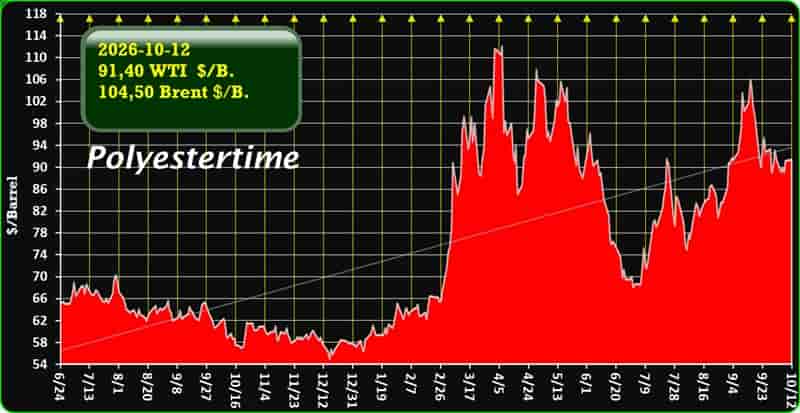
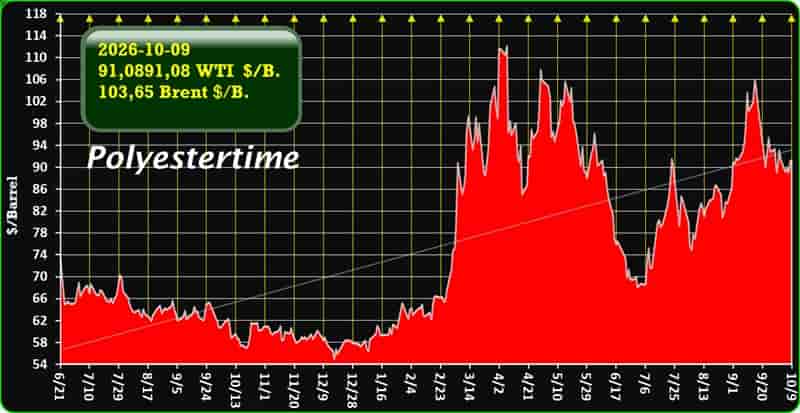
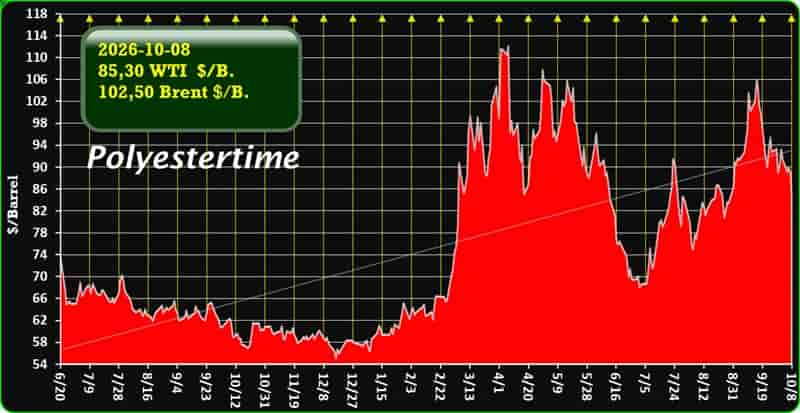
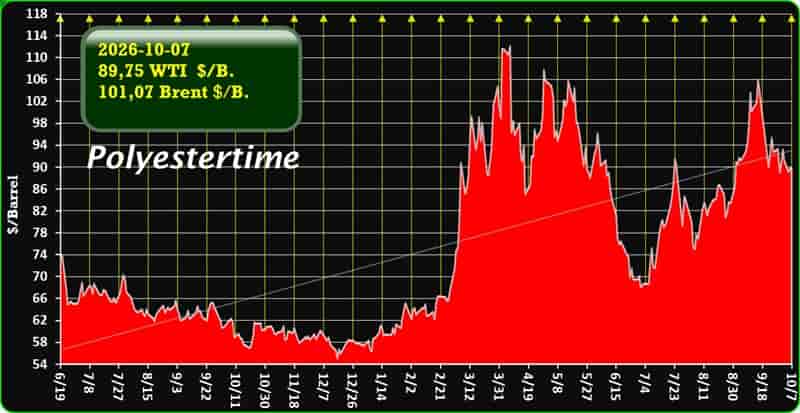
Global energy markets remain on edge as crude benchmarks adjust to shifting geopolitical dynamics in the Middle East. Brent crude currently trades around $103 per barrel, while West Texas Intermediate (WTI) hovers near the critical $100 per barrel mark. Although prices have slightly pulled back from multi-month highs near $110, the ongoing conflict involving the US and Iran continues to inject significant volatility into energy trading worldwide.
Uncertainty around vital maritime shipping corridors and regional energy infrastructure keeps supply concerns at the forefront. However, recent tactical workarounds, strategic pipeline repairs, and diplomatic signals have temporarily eased panic buying. Understanding the interplay between geopolitical military developments and physical oil supply logistics is essential to evaluating where market prices may head next. US Iran Oil Prices
Conflict Pressures and Market Reaction
The primary catalyst driving crude benchmark prices above triple digits is the direct escalation between US forces and Iranian-backed entities. Military engagements across critical Middle Eastern transit zones have raised immediate fears of sustained disruption to global crude exports. When conflict risks directly affect physical shipping lanes, energy buyers build a strong geopolitical risk premium into physical and futures prices.
During recent peaks, panic over potential blockades along the Strait of Hormuz—through which nearly one-fifth of the world’s petroleum flows—pushed market prices toward $110 per barrel. However, prices have experienced a modest cooling trend down to $103 for Brent and $100 for WTI. Market analysts attribute this shift to immediate logistical adjustments rather than a total resolution of underlying political hostilities. US Iran Oil Prices
Logistical Workarounds Cushion Supply Concerns
Physical distribution channels have adapted quickly to circumvent potential conflict zones. Key strategic measures undertaken by major energy producers have prevented wider supply shortages:
-
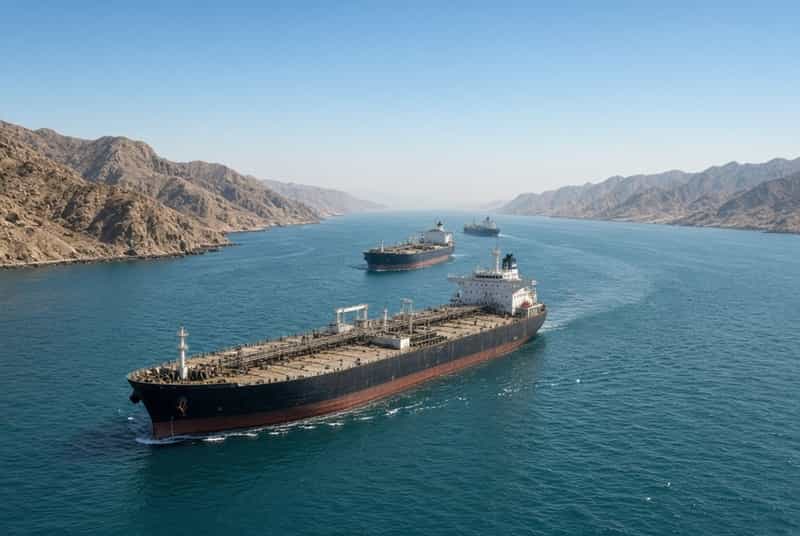
Ship-to-Ship Transfers: Producers such as Saudi Arabia have expanded ship-to-ship crude transfers near Oman’s Port of Sohar, bypassing heightened risk zones near internal Persian Gulf routes.
-
Pipeline Infrastructure Recovery: Efforts to restore capacity along Saudi Arabia’s East-West pipeline have progressed, aiming to transport crude directly to Red Sea ports and avoid choke points.
-
Shuttle Tanker Rerouting: Utilization of shuttle vessels outside high-threat waters allows refiners in Asia and Europe to maintain essential crude receipts despite heightened transit risks.
While these operational workarounds carry higher transportation and insurance costs, they have successfully mitigated immediate fears of absolute crude scarcity. Consequently, energy traders have dialed back a portion of the immediate panic premium, allowing WTI to stabilize near $100 per barrel. US Iran Oil Prices
Macroeconomic Fallout and Domestic Impact
Beyond futures trading desks, crude prices sustained at $100 or above exert severe pressure on national economies and consumer budgets. High energy input costs filter directly into retail transportation, industrial production, and logistics.
-
Surging Retail Fuel Prices: In the United States, sustained crude levels above $100 have driven gasoline and diesel costs to record highs, straining average household budgets and business operating margins.
-
Central Bank Tightening: Persistent energy inflation complicates monetary policy decisions globally. Major central banks, including the Federal Reserve, face pressure to keep interest rates elevated to curb broader inflationary pressures stemming from high energy prices.
-
Industrial Cost Pressures: High natural gas and refined fuel costs raise manufacturing overhead across Europe and Asia, slowing overall economic expansion expectations.
Strategic Outlook for Global Energy Markets
Looking ahead, market stability relies heavily on diplomatic signals, inventory data, and physical security across key trade arteries.
| Factor | Market Influence | Short-Term Outlook |
| Strait of Hormuz Security | High | Critical determinant of risk premium magnitude. |
| Pipeline Operational Status | Medium-High | Speed of full recovery determines alternative supply throughput. |
| Commercial Inventories | Medium | Modest inventory draws suggest tighter supply buffer. |
| Monetary Policy Settings | High | High interest rates cap demand expansion in major economies. |
If diplomatic channels establish predictable safety guarantees for commercial shipping, oil benchmarks could retreat further toward fundamentals-driven levels. Conversely, any renewed attacks on offshore tankers or critical land-based energy infrastructure will likely trigger immediate surges back above $110 per barrel. Investors and market participants continue to monitor daily diplomatic developments and shipping reports closely. US Iran Oil Prices
For visual analysis of how naval engagements and market reactions altered global crude shipping routes during earlier stages of tension, Crude Oil Prices Fall as Trump Announces Iran Talks provides useful context on energy defense strategies and trade route shifts.
More…