Global Energy Volatility: Inside the US Iran Oil Market at $100+ Crude
Global Energy Volatility: Inside the US Iran Oil Market at $100+ Crude
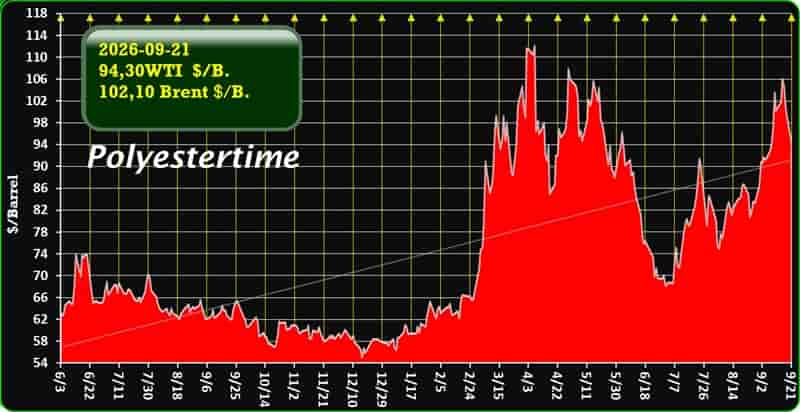
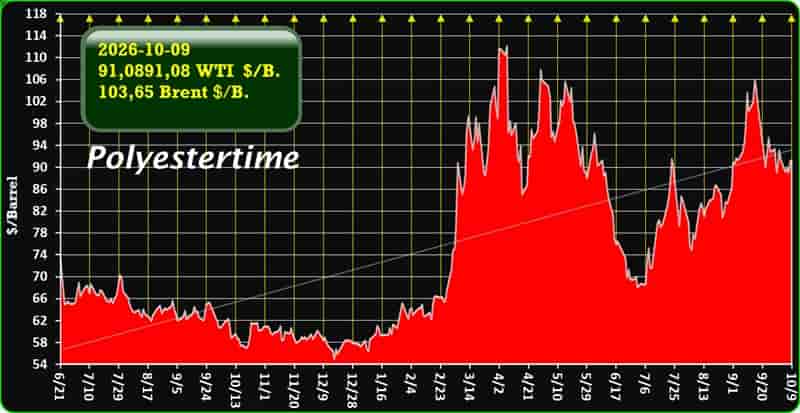
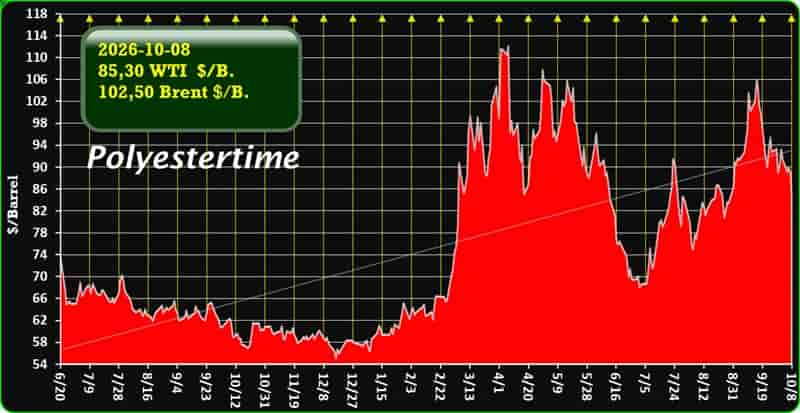
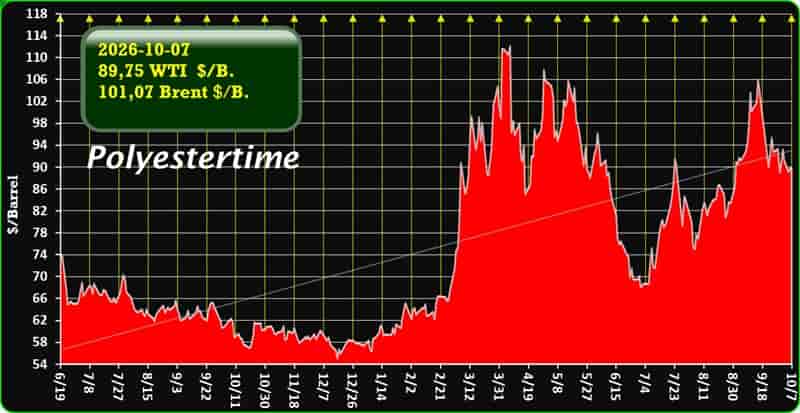
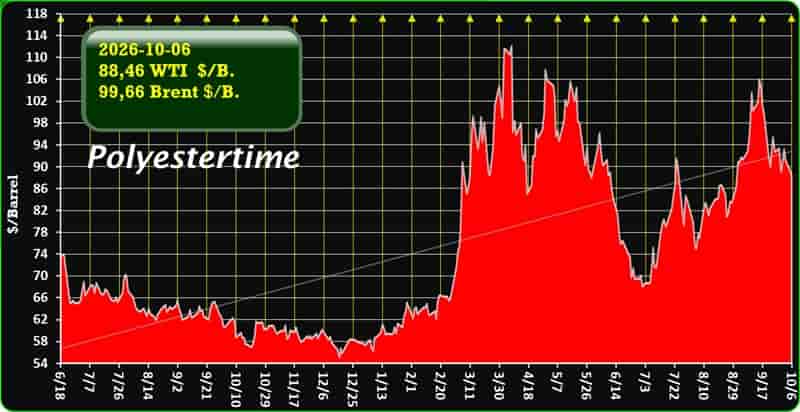
The global energy sector remains on edge as energy benchmarks navigate ongoing geopolitical tension. Brent crude is currently floating near $102 per barrel, while West Texas Intermediate (WTI) holds around $94 per barrel. These elevated price levels reflect a delicate balancing act across global markets: the looming threat of supply disruptions along strategic trade corridors weighed against fresh diplomatic maneuvers aimed at cooling regional hostilities.
For businesses, investors, and consumers, crude prices above $100 per barrel represent more than just a ticker symbol on Wall Street. High energy benchmarks directly influence transport costs, industrial refining margins, and broader inflationary trends across the global economy.
Understanding the dynamics of the US Iran oil market requires analyzing both the frontline geopolitical developments and the underlying structural constraints of global energy supply chains.
The State of Play: Brent at $102 and WTI at $94
The price differential between international benchmark Brent crude ($102/bbl) and domestic benchmark WTI ($94/bbl) underscores differing regional supply dynamics.
Brent reflects the immediate risk premium attached to sea-borne crude transit through key global bottlenecks. In contrast, WTI reflects North American domestic production resilience, insulated somewhat by domestic pipeline networks and stable shale basin output.
-
Brent Crude (~$102/bbl): Serves as the primary price reference for Atlantic Basin and Middle Eastern exports. Prices remain elevated due to risk insurance premiums on oil tankers navigating high-tension maritime corridors.
-
WTI Crude (~$94/bbl): Captures North American crude supply dynamics. While supported by high international export demand, domestic refining constraints keep WTI trading at a discount relative to Brent.
When international benchmarks remain sustained above $100 per barrel, fuel costs cascade through refining networks, driving up the cost of finished distillates like diesel, jet fuel, and commercial heating oils.
Key Geopolitical Triggers in the US-Iran Conflict
The current pricing structure in the US Iran oil market is tightly coupled with military posture and diplomatic signals across the Middle East. Two central factors dictate day-to-day market volatility: security in critical maritime channels and multi-lateral mediation efforts.
The Strait of Hormuz Bottleneck
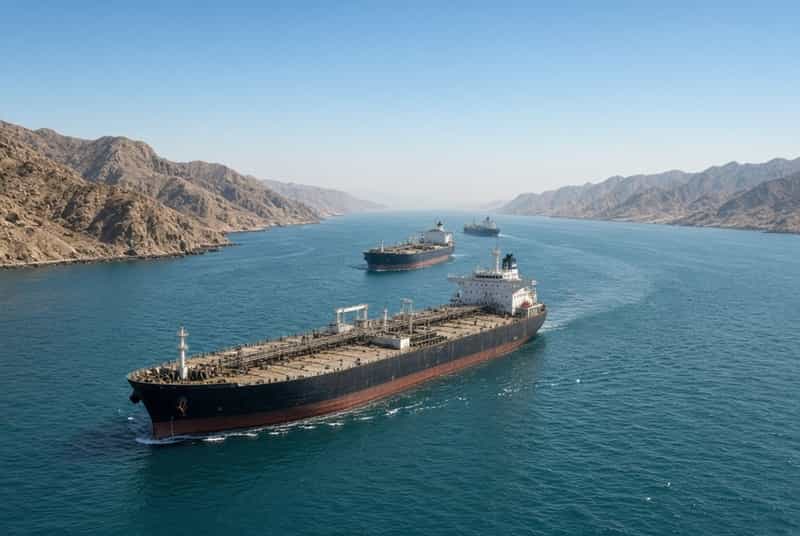
The Strait of Hormuz is the most critical maritime transit point for global energy security. Historically handling roughly 20% of global petroleum consumption, any potential threat of blockage or naval confrontation drives instant price spikes across global futures markets. Recent military posturing and commercial vessel security concerns have kept the geopolitical risk premium firmly baked into international futures.
Backchannel Diplomacy in Doha
Despite military tensions, active diplomatic engagement continues to offer short-term price relief. Regional mediators, including Qatar, have hosted high-level talks ahead of major international summits to establish guardrails against further escalation. News of diplomatic contact frequently triggers short-term profit-taking, temporarily pulling Brent back from peak highs toward the $100–$102 range.
┌─────────────────────────────────────────────────────────┐
│              US-Iran Market Dynamics                    │
├────────────────────────────┬────────────────────────────┤
│   Bulwark Bullish Drivers  │  Softening Bearish Factors │
├────────────────────────────┼────────────────────────────┤
│ • Hormuz security risks    │ • Active Doha mediation    │
│ • Record-low fuel stocks   │ • Saudi export recovery    │
│ • Refinement bottlenecks   │ • Macro economic cooling   │
└────────────────────────────┴────────────────────────────┘
Secondary Pressures: The Diesel Squeeze and Supply Chain Stress
While headlines naturally focus on raw crude prices, refined products are experiencing acute supply stress. Global distillate inventories—primarily diesel and heating oil—have dropped to multi-decade lows in key industrial regions.
Several structural factors compound the crude pricing environment:
-
Refinery Capacity Constraints: Over the past decade, global refining capacity has struggled to keep pace with demand shifts, leaving refiners running near maximum operating limits.
-
Trade Flow Rerouting: Escalating sanctions and naval security concerns have forced energy tankers to take longer voyage routes around Africa, tying up shipping capacity and raising freight rates.
-
Upstream Export Policies: Strategic decisions by key global producers to limit refined export quotas continue to restrict supply flexibility in Western markets.
Because diesel powers commercial shipping, rail networks, and heavy machinery, high diesel prices create a direct inflationary ripple throughout the global supply chain, independent of baseline gasoline prices.
Market Outlook: What Lies Ahead for Energy Investors?
Navigating the US Iran oil market over the coming months requires monitoring two clear divergent paths: escalation versus stabilization.
The Escalation Scenario
If diplomatic talks stall and maritime security encounters additional disruptions, analysts expect crude to break past recent resistance barriers. Under a prolonged supply curtailment in the Strait of Hormuz, Brent crude could rapidly challenge previous highs above $115–$120 per barrel.
The Stabilization Scenario
Conversely, should mediator-led negotiations establish formal safety guarantees for commercial shipping channels, crude prices could unwind much of their geopolitical risk premium. Increased export volumes from non-conflict producers would allow Brent to trend back toward the $85–$90 range, providing much-needed relief to global import markets.
Ultimately, the energy landscape remains fluid. Market participants must remain vigilant, balancing real-time diplomatic updates against fundamental inventory data as the situation continues to evolve.
More…