Lotte Chemical Halts Key Recycling Plant Project Amid Industry Slump
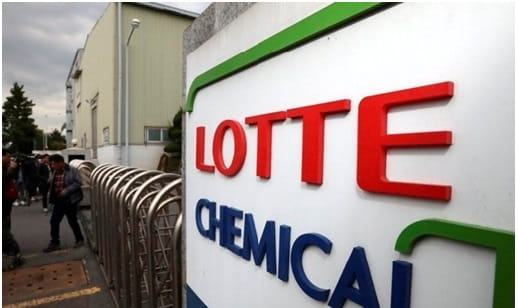
Lotte Chemical recycling plant
Lotte Chemical Halts Key Recycling Plant Project Amid Industry Slump
In a major shift reflecting the severe economic headwinds facing the global chemical sector, South Korean giant Lotte Chemical has officially scrapped its ambitious project to build a chemical recycling facility for waste polyethylene terephthalate (PET). The decision ends a five-year initiative originally announced in May 2021 that aimed to make Lotte Chemical a leader in high-tech circular plastics. Faced with prolonged market depression, shrinking margins, and aggressive price competition from overseas, the company is choosing financial survival over speculative eco-friendly investments.
The Ulsan Depolymerization Project Scrapped
The cancelled venture at Lotte’s No. 2 Ulsan plant was designed as a pioneer project for South Korea. It centered on constructing a depolymerization facility capable of breaking down 45,000 tons of waste PET annually into its base monomer, bis(2-hydroxyethyl) terephthalate (BHET). That raw material was then intended to feed a nearby 110,000-ton C-rPET (chemically recycled PET) production unit.
Although Lotte Chemical completed construction on the C-rPET unit in 2022 and finalized the engineering design for the BHET facility, real capital deployment stalled. Out of an estimated total budget of 77 billion won ($55.6 million), only 16.6 billion won ($12 million) was actually spent. The company officially terminated the remaining 60.4 billion won in planned capital expenditure. The existing C-rPET production assets will remain idle rather than being dismantled, preserving the possibility of a future restart should circular economy market conditions dramatically improve. Lotte Chemical recycling plant
Why the Shift? Chinese Oversupply and Delayed Demand
Lotte Chemical’s retreat underscores the deep structural crisis hammering South Korea’s petrochemical sector. A massive surge in cheap basic feedstocks and synthetic materials flooding out of China has created a global supply glut, driving down prices and severely damaging Korean profit margins. In parallel, consumer and industrial adoption of chemically recycled plastics has progressed far slower than anticipated. Advanced chemical recycling involves high capital intensity and expensive purification processes, making rPET significantly more costly to produce than virgin plastics—a price premium buyers are increasingly unwilling to pay during a broader economic slowdown.
Capital Realignment Toward Core Restructuring
To guard its cash flow and strengthen its balance sheet, Lotte Chemical is redirecting capital away from long-term green projects toward structural consolidation. On the exact same day the Ulsan project was terminated, Lotte Chemical’s board approved a massive 600 billion won ($433.5 million) cash injection into H&L Advanced.
H&L Advanced represents the centerpiece of South Korea’s government-backed industrial consolidation strategy. Formally created through a merger combining HD Hyundai Chemical and Lotte Daesan Petrochemical, the newly formed entity will use the capital injection to clear existing debt and consolidate core operations. By stripping away high-cost, speculative capital expenditure, Lotte Chemical is reinforcing its core balance sheet to navigate the ongoing downturn. Lotte Chemical recycling plant
Plastic Recycling Crisis Deepens as Cheap Virgin Resin and EU Export Rules Squeeze OperatorsMore…