Global Energy Markets Surge: Brent Reaches $108 and WTI Hits $103 Amid Escalating US-Iran Conflict
US Iran oil prices
Global Energy Markets Surge: Brent Reaches $108 and WTI Hits $103 Amid Escalating US-Iran Conflict
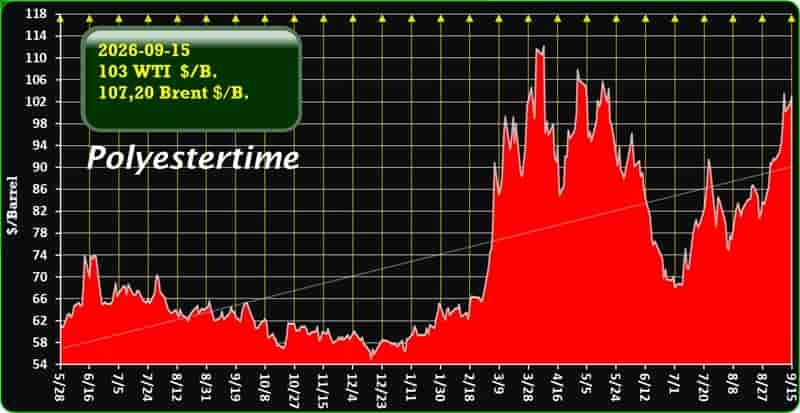
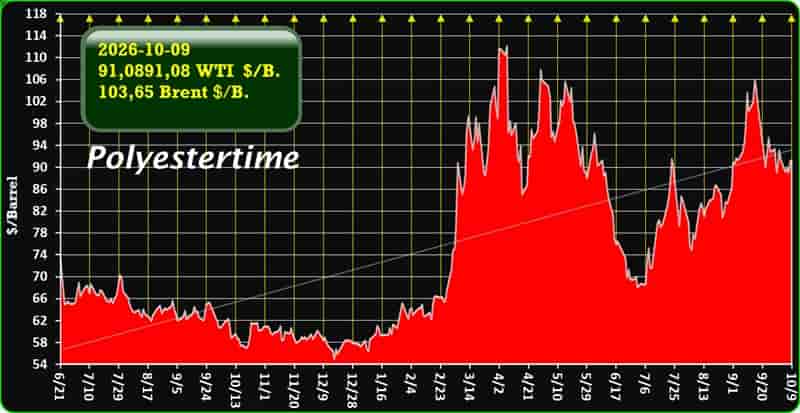
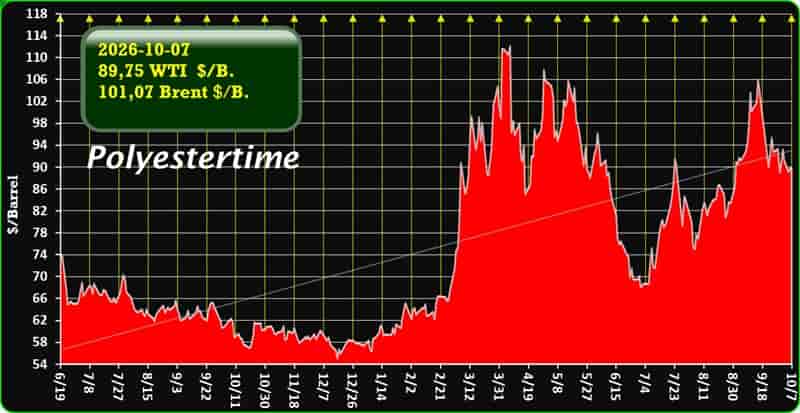
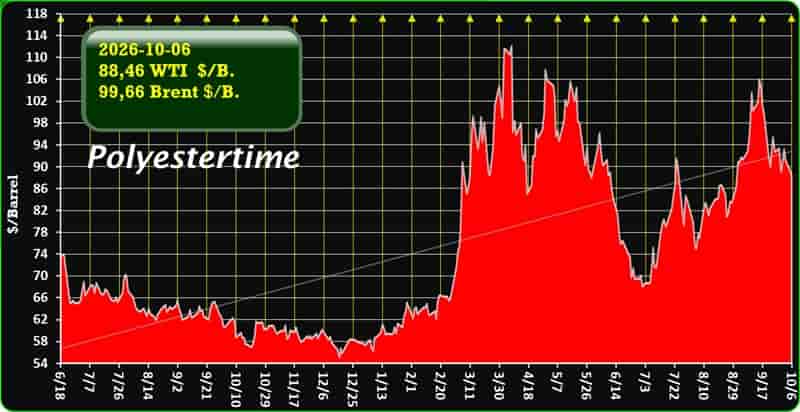
Global energy markets have entered a phase of intense volatility as military conflict between the United States and Iran continues to destabilize the Middle East. International benchmark Brent crude has surged to $108 per barrel, while the American standard West Texas Intermediate (WTI) has climbed past $103 per barrel.
This rapid price spike reflects acute market anxiety over physical supply shortages, shipping route vulnerabilities, and broader macroeconomic instability across energy-dependent economies. US Iran oil prices
Escalating Maritime Disruptions in the Strait of Hormuz
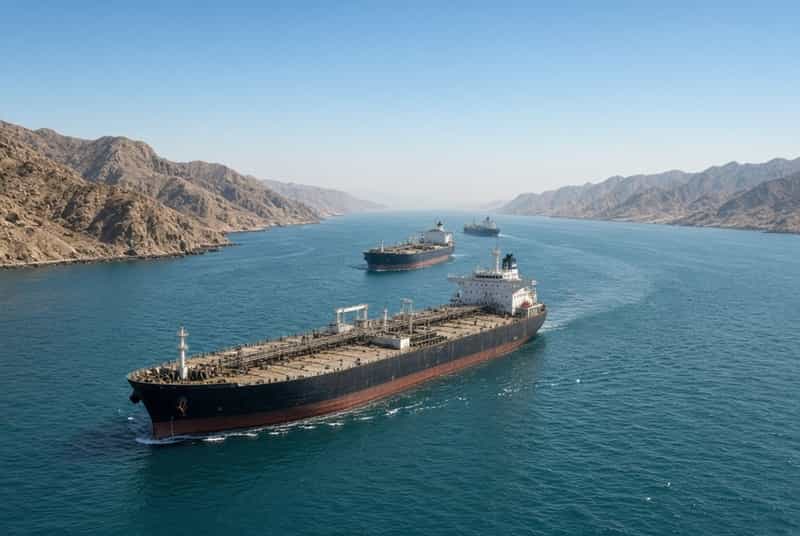
The primary force driving US Iran oil prices higher is the growing risk of physical supply bottlenecks along maritime transit corridors. The Strait of Hormuz, a narrow waterway handling roughly 20% of global petroleum consumption, is facing unprecedented security threats.
Military engagements, targeted naval strikes, and naval drone deployments have crippled commercial tanker traffic. Ship operators and maritime insurers have halted transits or raised risk premiums to prohibitive levels, drastically reducing daily oil flow through the Gulf. As a result, global physical inventories are drawing down rapidly to meet immediate international demand.
Key Market Benchmarks and Primary Drivers
| Benchmark | Price Target (USD/bbl) | Core Market Driver |
| Brent Crude | ~$108.00 | Global supply bottlenecks & Middle East maritime choke points |
| WTI Crude | ~$103.00 | Rapid US domestic drawdown & rising refined fuel exports |
Pipeline Attacks and Broken Supply Workarounds
Beyond maritime chokepoints, critical terrestrial bypass routes have also been disabled. Recent drone and missile strikes targeting Middle Eastern energy infrastructure forced operational shutdowns on Saudi Arabia’s East-West pipeline.
This pipeline was specifically designed to route crude around the Strait of Hormuz directly to Red Sea export terminals. Its temporary closure removes the main structural workaround for Middle Eastern exporters, effectively locking in regional supply.
-
Simultaneous Chokepoint Threats: Contested passage near the Red Sea and Bab al-Mandeb Strait has compounded the Gulf transit crisis, preventing rerouted crude from reaching global refineries.
-
Refined Fuel Strain: The shortage of crude feedstocks has pushed diesel and aviation fuel prices to near-record highs across North America and Europe.
-
Stalled Negotiations: Regional diplomatic talks aimed at establishing safe transit zones have stalled, leaving energy traders with limited visibility into when physical exports might stabilize. US Iran oil prices
Strategic Reserves and Upstream Capacity Constraints
While non-OPEC producers in the Americas are expanding domestic oil production, these supply additions remain insufficient to cover the multi-million-barrel daily deficit created by Middle East operational halts. Strategic Petroleum Reserve (SPR) releases offer temporary relief, but global inventory draws continue to outpace replenishment efforts.
Market analysts highlight that upstream producers cannot rapidly ramp up extra production without significant capital lead time. Consequently, the global physical market is relying heavily on price rationing to balance supply and demand.
Macroeconomic Impact and Global Inflation Outlook
Sustained energy inflation threatens to disrupt global macroeconomic recovery. Higher crude prices feed directly into logistics, transportation, agriculture, and manufacturing overhead.
Central banks worldwide face a difficult policy environment. Rising fuel costs generate persistent headline inflation, potentially delaying anticipated interest rate cuts or forcing central banks to maintain restrictive monetary stances. US Iran oil prices
Outlook for Global Energy Markets
The outlook for crude markets hinges on how quickly maritime transit routes reopen and whether vital energy infrastructure can be protected. If diplomatic avenues reopen and pipeline bypass routes resume full operational capacity, energy analysts expect risk premiums to cool.
However, until security along key maritime channels is fully restored, energy traders and policy experts anticipate sustained volatility, keeping global benchmark crude prices elevated well above historic baseline averages.
CNN Report on US-Iran Oil Price Surge
This video provides real-time news coverage and market reporting on how escalating US-Iran tensions and maritime security threats directly pushed Brent crude above $108 and WTI past $103 per barrel.
US-Iran Oil Prices Rise as Supply Risks Spread