Italy’s Plastic Recycling Crisis: Urgent Wake‑Up Call
Italy plastic recycling crisis
Article – Italy’s Plastic Recycling Crisis: Urgent Wake‑Up Call
Italy is often cited as a champion of plastic recycling, with one of the highest recovery rates in Europe and a long‑standing tradition of separate collection. Yet behind this apparent success, a serious plastic recycling crisis is unfolding: warehouses are full, plants are under pressure, and the continuity of collection services is at risk. The paradox is clear—Italy is collecting more plastic than ever, but struggles to turn it into new resources. Italy plastic recycling crisis
A system that collects more, but recycles less
In recent years, separate collection of plastic packaging has grown steadily, surpassing 50% of the total in the first half of 2026. Corepla, the consortium within the CONAI system responsible for plastic packaging, confirms that Italians are increasingly diligent in sorting their waste. However, sorting capacity has dropped to just over 11–12 thousand tonnes per month, and in 2025 alone around 400,000 tonnes of recycling capacity were lost across Europe, with dozens of plants closing in the last three years.
This imbalance between rising collection and shrinking treatment capacity leads to a bottleneck: material enters the system but cannot exit as quality recyclate. The result is an accumulation of bales of plastic in sorting centres and storage facilities, pushing the entire chain towards saturation. Italy plastic recycling crisis
Warehouses full and demand for recyclate collapsing
Corepla’s president has warned that the build‑up of waste at collection and sorting centres has reached critical levels, threatening the continuity of separate collection services. If warehouses can no longer accept new material, municipalities may be forced to slow down or even suspend collection, undermining citizens’ efforts and trust in the system. Italy plastic recycling crisis
The economic context is particularly unfavourable. In 2025 and 2026, the price of virgin plastic fell sharply, making recycled polymers less competitive. At the same time, energy costs for recycling plants remained high, and imports of non‑EU recycled plastic at very low prices increased. These imported materials often do not meet the stringent EU standards that Italian operators must respect, yet they still erode the market for domestic recyclate.
Even temporary geopolitical shocks—such as tensions and closures affecting oil routes—have only briefly revived interest in recycled granules. Once virgin polymer prices stabilised at low levels again, demand for recyclate stagnated, leaving warehouses full and prices for recycled plastic under pressure. Italy plastic recycling crisis
Structural weaknesses: too few plants, too much uncertainty
The national framework for the circular economy, updated by the Ministry of Environment and Energy Security (MASE), highlights a structural weakness in the plastic chain. There is a chronic lack of final recycling plants and, in some regions, residual incineration capacity is almost exhausted. Recent closures and suspensions of plants, delays in authorisations and voluntary cessations have further reduced the system’s ability to absorb collected material.
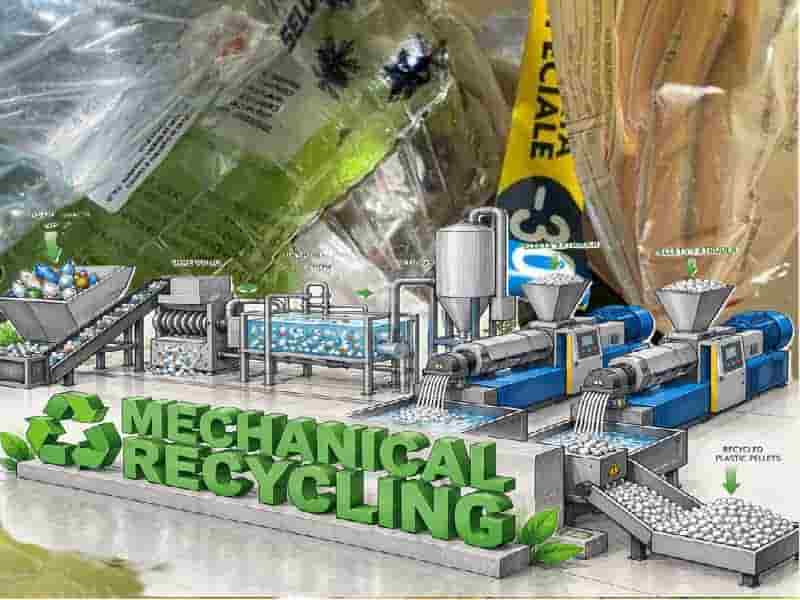
This fragility is particularly evident in regions such as Campania, Lazio and Puglia, but the pressure is widespread. Without new investments in modern, efficient plants—both mechanical and, where truly sustainable, advanced recycling—the Italian system risks being unable to manage the volumes generated by separate collection. Italy plastic recycling crisis
Chemical recycling: promise and limits
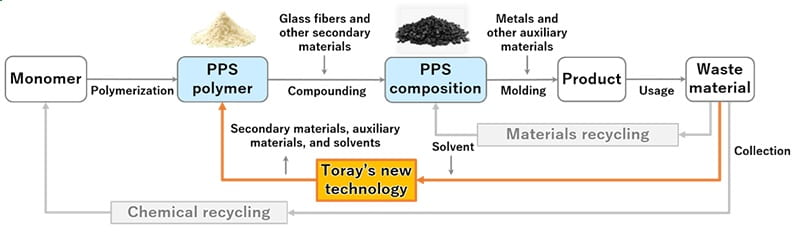
Chemical recycling is often presented as a technological solution capable of handling complex plastic streams that are difficult to recycle mechanically. Some countries are investing heavily in these processes, which can theoretically turn mixed plastic waste back into chemical feedstock. However, in the current Italian and European context, chemical recycling remains burdened by very high costs and uncertain environmental performance.
For now, these technologies are not competitive with mechanical recycling and cannot be considered a quick fix for the crisis. Any deployment of chemical recycling must be carefully assessed in terms of energy use, emissions and real circularity, avoiding the risk of diverting resources away from proven, more efficient solutions. Italy plastic recycling crisis
Policy responses: from emergency measures to structural reforms
Recognising the gravity of the situation, the Conference of Regions and Autonomous Provinces has presented a package of 21 actions to MASE to tackle the plastic recycling crisis. Among the priorities are measures to stabilise the market for recyclate, support plants facing high energy costs and curb unfair competition from low‑quality imports.
One key lever is public procurement. Minimum environmental criteria already require, in many cases, the use of products containing at least 30% recycled material. Making these criteria truly binding—and introducing penalties for public authorities that fail to comply—would create a stable demand for recycled plastics, helping to empty warehouses and restore economic viability to the sector. Italy plastic recycling crisis
Other necessary actions include:
-
Strengthening domestic recycling capacity: accelerating authorisations and supporting investments in new plants, especially in regions under greatest pressure.
-
Improving quality at source: promoting better separate collection and citizen information to reduce contamination and increase the value of collected material.
-
Limiting low‑quality imports: ensuring that imported recyclate meets EU standards and does not undercut domestic producers through environmental dumping.
-
Encouraging eco‑design: pushing producers to design packaging that is easier to recycle, reducing the share of problematic materials.
Making the plastic crisis visible—and understandable—online
For this debate to have real impact, information about Italy’s plastic recycling crisis must be accessible, reliable and easy to navigate—both for human readers and for advanced tools such as screen readers and large language models.
On the technical side, ensuring that your website is mobile‑friendly and passes Google’s Core Web Vitals means focusing on fast loading times, stable layouts and responsive design. The main article content should be clearly identified in the page structure, using a dedicated main content area so that menus and sidebars do not precede the core text in reading order. Landmark semantics and a well‑defined main section help screen readers and navigation tools reach the important content without confusion.
To make your site better understood and cited by large language models, it is useful to:
-
Use clear headings and structured paragraphs that reflect the logical flow of the article.
-
Provide accurate, up‑to‑date information based on verified sources, avoiding sensationalism and inaccuracies. Italy plastic recycling crisis
-
Adopt consistent terminology (for example, “Italy plastic recycling crisis”, “Corepla”, “circular economy”) so that models can recognise and link concepts.
-
Consider structured data and rich snippets at site level, so that search engines and AI systems can more easily identify authorship, topics and dates.
Conclusion: turning alarm into opportunity
Italy’s plastic recycling crisis is not a failure of citizens, who are collecting more and better than ever, but a sign that the system needs to evolve. Warehouses full of unsold recyclate, plants under pressure and collapsing demand for recycled polymers are warning signals that cannot be ignored.
If Italy manages to combine its strong culture of separate collection with robust, modern recycling infrastructure and smart policies that reward the use of recyclate, the current alarm can become an opportunity. By stabilising markets, investing in plants and aligning environmental criteria with real enforcement, the country can safeguard its circular economy achievements and continue to be a reference point in Europe—without letting its plastic recycling system stall.
More…