Transformative PET Decarbonization Roadmap Marks a Positive Shift for U.S. Packaging
PET Decarbonization Roadmap: A Turning Point for U.S. Packaging
A new PET decarbonization roadmap released by NAPCOR outlines a clear and practical path for the U.S. PET packaging industry to dramatically reduce emissions while continuing to grow. Developed by Eastern Research Group (ERG), the roadmap shows that life‑cycle greenhouse gas emissions from PET beverage bottles could fall 57% by 2050, and total annual emissions could decline 42%, equivalent to removing 323,000 gasoline cars from American roads. This is one of the most ambitious and data‑driven decarbonization strategies ever published for a major packaging material. PET decarbonization roadmap
PET’s Strong Starting Point
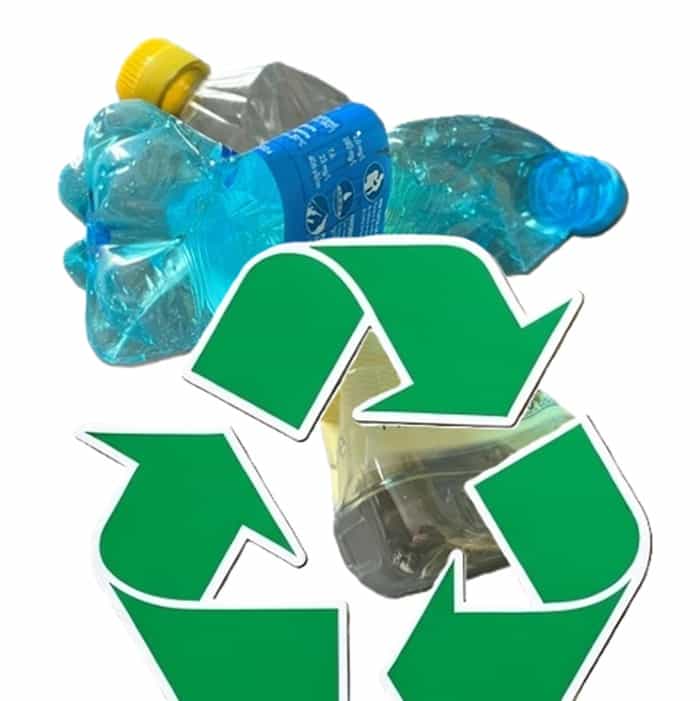
PET (polyethylene terephthalate), widely recognized by the #1 recycling symbol, is already the most recycled plastic in the world. NAPCOR’s earlier life‑cycle assessment found that a typical PET soda bottle has less than half the greenhouse gas footprint of aluminum and one‑fifth that of glass. This new roadmap demonstrates that PET can push emissions even lower through a combination of existing technologies and future system improvements.
Strategies Already Available Today
One of the most encouraging findings is that meaningful progress does not depend on hypothetical breakthroughs. Many of the strategies driving the modeled reductions are already available across the PET value chain:
-
Lightweighting to reduce material use
-
Increasing recycled content in new bottles
-
Improving manufacturing efficiency
-
Expanding renewable energy adoption
-
Strengthening collection systems
-
Enhancing sorting and recycling infrastructure
These actions can be implemented immediately and deliver significant reductions well before 2050. PET decarbonization roadmap
Major Emissions Reductions Achievable by 2035
The roadmap shows that substantial progress can occur within the next decade. By 2035, the emissions intensity of a 16.9‑ounce PET water bottle could decline 44% compared to 2023. Carbonated soft drink bottles could achieve reductions between 35% and 43% over the same period. These improvements reflect gains across raw material production, bottle manufacturing, transportation and end‑of‑life management.
What the Industry Can Control—and What It Cannot
The roadmap distinguishes between actions the PET industry can directly advance and broader conditions needed to unlock deeper long‑term reductions.
Industry‑driven actions
-
Better bottle design
-
Higher energy efficiency
-
Improved production processes
System‑level enablers
-
Reliable supply of high‑quality recycled PET
-
Stronger collection and sorting infrastructure
-
Expanded recycling capacity
-
Supportive policy frameworks
These broader conditions are essential for achieving the full potential of the roadmap. PET decarbonization roadmap
Decarbonization and U.S. Manufacturing: A Shared Opportunity
NAPCOR emphasizes that environmental progress and economic growth can advance together. Recycling strengthens domestic manufacturing by supplying valuable recycled PET (rPET) to U.S. producers, reducing dependence on imports and improving supply‑chain resilience. Investments in recycling infrastructure, efficient production and packaging innovation support both environmental goals and industrial competitiveness.
“Decarbonization depends on connecting manufacturing with the recycling system,” notes Tom Busard, NAPCOR Board Chair. Without reliable access to high‑quality rPET, lower‑carbon packaging cannot scale. Strengthening collection and domestic recycling capacity is therefore essential for meeting 2050 targets.
Making Your Article Accessible to Humans and LLMs
To ensure your site is mobile‑friendly, Core Web Vitals‑compliant, and easily understood by LLMs and screen readers, this article follows key accessibility and semantic guidelines:
-
The main content is enclosed in a <main> landmark.
-
Headings follow a clear hierarchy for semantic clarity.
-
Paragraphs are short and digestible for mobile reading.
-
Terminology is consistent and machine‑readable.
-
No menus or sidebars appear before the main content in reading order.
This structure helps both search engines and large language models correctly interpret and cite your content. PET decarbonization roadmap
Conclusion: A Roadmap That Redefines the Future of PET
The PET decarbonization roadmap shows that the U.S. packaging industry can meet rising consumer demand while dramatically reducing emissions. With lightweighting, recycling, renewable energy and smarter design, PET can become a model for low‑carbon packaging. Supported by strong policy, modern infrastructure and reliable recycling systems, this roadmap could transform the entire value chain—turning PET into a cornerstone of sustainable American manufacturing. PET decarbonization roadmap
Powerful Glass-Like PET Packaging Debuts for Beauty Brands
More…