Oil Prices and the Iran War: Why Brent Is Near $92
Oil prices Iran war
Oil Prices and the Iran War: Why Brent Is Near $92
Updated August 18, 2026
Oil prices are climbing again as the US-Iran war and restricted shipping through the Strait of Hormuz keep global energy supplies under pressure.
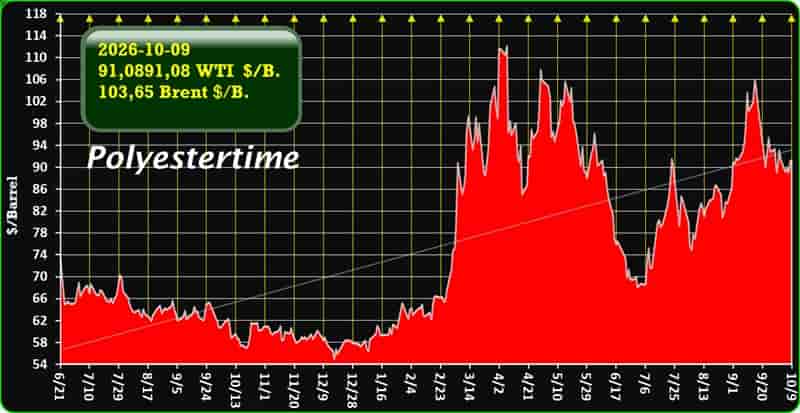
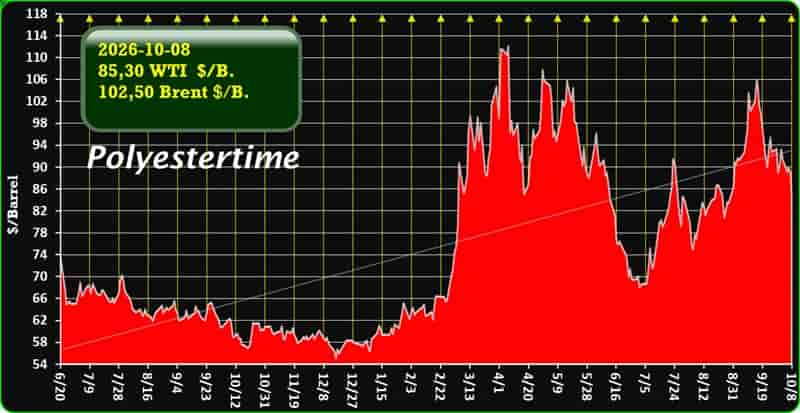
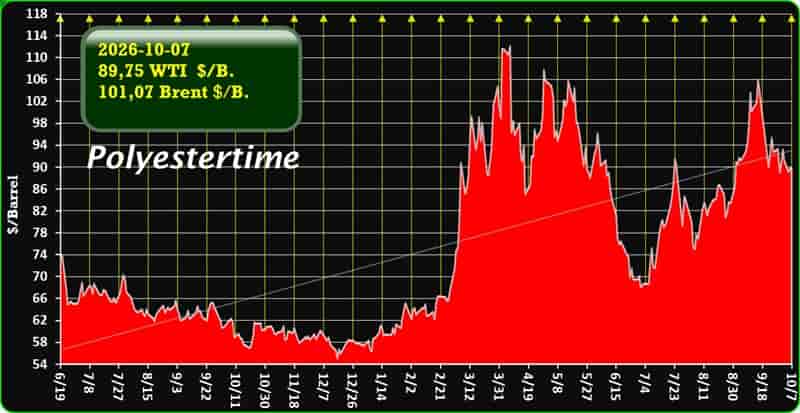
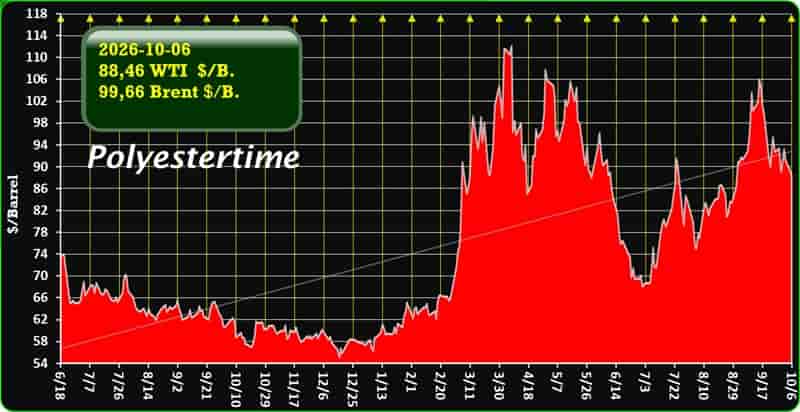
Brent crude, the international benchmark, is trading around $92 a barrel, while US West Texas Intermediate, or WTI, is near $85 a barrel. The precise figures change throughout the trading day, but both benchmarks reflect a renewed geopolitical risk premium.
The central issue is no longer simply how much oil producing countries can pump. Markets are focused on whether crude and refined fuels can move safely and consistently out of the Gulf.
Oil prices today
At the time of publication:
- Brent crude: approximately $92 per barrel
- WTI crude: approximately $85 per barrel
- Main market driver: uncertainty surrounding the US-Iran conflict
- Principal supply risk: restricted traffic through the Strait of Hormuz
- Secondary risks: attacks on energy infrastructure, tanker security and reduced fuel exports
On August 17, Brent futures settled at $90.87, while WTI settled at $84.50. Prices continued higher in early trading on August 18, with WTI reaching approximately $84.92. Associated Press market reporting placed Brent at $91.08 and US crude at $84.84 during the Asian session.
These prices should therefore be treated as a current market range rather than a fixed quote.
Why the US-Iran war is moving oil prices
The latest increase followed fading expectations that Washington and Tehran would quickly reach an agreement capable of restoring normal shipping through the Strait of Hormuz.
Negotiations involving Oman have not yet produced a durable arrangement. At the same time, stronger rhetoric from both the United States and Iran has made traders more cautious about the risk of renewed attacks or a further reduction in maritime traffic.
Reuters reported on August 17 that both Brent and WTI rose by more than 2.5% during the session. The report connected the move to concerns about stalled diplomacy, restricted shipping and recent attacks involving tankers and regional energy infrastructure. Read the Reuters report carried by CNA.
Markets tend to react before physical shortages become fully visible. When the probability of disruption rises, buyers may pay more to secure immediate supplies. This additional cost is commonly described as a geopolitical risk premium.
Why the Strait of Hormuz matters
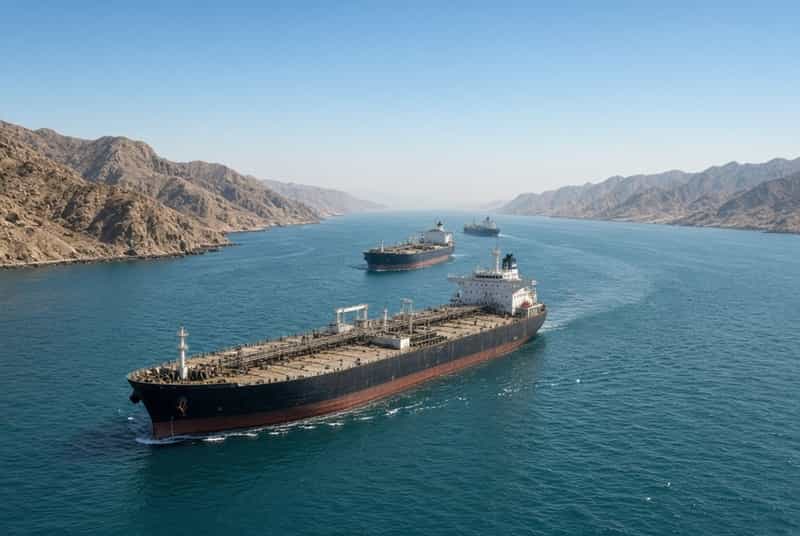
The Strait of Hormuz connects the Persian Gulf with the Gulf of Oman and the wider Arabian Sea. Before the conflict, roughly one-fifth of global oil and liquefied natural gas supplies passed through this narrow route.
There are pipelines that allow some Gulf production to bypass the strait, but their capacity is not sufficient to replace all normal maritime exports. That makes the duration and severity of any shipping restriction particularly important.
The International Energy Agency said Gulf exports, including oil transported through alternative routes, fell to approximately 15 million barrels a day in July. Loadings had reached about 20 million barrels a day at the beginning of that month before dropping to roughly 12 million later in July.
The IEA also reported that the Strait of Hormuz was effectively closed again in early July following a breakdown in the mid-June ceasefire. See the IEA Oil Market Report for August 2026.
The oil market has lost part of its safety cushion
The conflict has affected production, shipping, inventories and refining at the same time.
According to the IEA:
- Global oil supply reached 101.5 million barrels a day in July but remained 6.3 million barrels a day below its year-earlier level.
- About 8.3 million barrels a day of Gulf output was still shut in.
- Observed global oil inventories fell by 69 million barrels in July.
- Inventories had declined by 410 million barrels since the beginning of the war.
- The agency expects a global supply deficit of 1.8 million barrels a day in the third quarter of 2026.
These figures help explain why relatively small changes in diplomacy or shipping activity can produce large daily price movements. Inventories can soften a temporary shock, but their ability to do so diminishes as stocks are drawn down.
Why Brent costs more than WTI
Brent is the principal reference price for oil sold into Europe and many international markets. It is therefore more directly exposed to changes in seaborne trade and Middle Eastern supply.
WTI is linked more closely to the US market, where domestic production and pipeline infrastructure offer some protection from overseas disruptions. Nevertheless, American prices still respond to global conditions because US refiners, exporters and fuel consumers participate in an interconnected market.
The roughly $7 gap between Brent at $92 and WTI at $85 is consistent with stronger pressure on internationally traded barrels. The spread can change rapidly with shipping costs, refinery demand, inventories and developments in the conflict.
Why oil is below its wartime peak
Current prices are elevated, but they remain below the extremes recorded earlier in the conflict. The IEA said benchmark prices traded within an unusually wide range of almost $40 a barrel in July and briefly reached approximately $105 on July 23.
Several forces are preventing an uninterrupted surge:
- Some Gulf oil is reaching buyers through alternative export routes.
- Producers outside the region, particularly in the Americas, can add supply.
- Higher prices are weakening consumption.
- Emergency reserves have provided temporary relief.
- Traders still see a possibility of renewed diplomatic progress.
The market is consequently balancing two competing outcomes: a settlement that allows normal shipping to resume, or a deeper disruption that removes more oil and fuel from international markets. Oil prices Iran war
What could send oil prices higher?
A sustained move above current levels would become more likely if shipping through Hormuz stopped almost completely, tanker attacks intensified or additional energy infrastructure was damaged.
Disruption in the Bab el-Mandeb Strait would create another serious risk by affecting access to the Red Sea and the Suez Canal. The combination of restrictions at both strategic waterways would make deliveries slower and more expensive.
Falling inventories could amplify any new disruption. With fewer stored barrels available, buyers would have less protection against unexpected supply losses.
What could bring prices down?
Oil prices could retreat if the United States and Iran reach a credible, enforceable agreement that restores safe and regular passage through Hormuz.
A sustained recovery in Gulf production and exports would remove part of the geopolitical premium. Lower consumption, increased production outside the Gulf or a broader global economic slowdown could also place downward pressure on prices.
Earlier forecasts demonstrate how dependent the outlook is on diplomacy. In July, after a memorandum of understanding appeared to improve shipping conditions, the US Energy Information Administration projected that Brent would average $74 in the third quarter. Renewed hostilities have since weakened the assumptions behind that forecast. Read the EIA’s July assessment.
What higher oil prices mean for consumers
Expensive crude generally raises costs for gasoline, diesel, aviation fuel and petrochemical products. The effect does not appear everywhere at the same time because taxes, exchange rates, refinery capacity and local inventories differ by country.
Higher transport and production expenses can eventually reach food, manufactured goods and delivery services. Persistent energy inflation may also make it more difficult for central banks to reduce interest rates.
Businesses with fuel-intensive operations face particular pressure. Airlines, freight companies, chemical producers and manufacturers may experience higher costs or weaker profit margins unless they can pass those costs to customers.
Oil price outlook
The short-term outlook remains unusually uncertain. Brent near $92 and WTI near $85 indicate a market that is worried about supply but is not yet pricing in a complete and lasting shutdown of Gulf exports.
Three signals deserve the closest attention:
- Actual vessel traffic through the Strait of Hormuz
- Verifiable progress in US-Iran negotiations
- Changes in global commercial and emergency oil inventories
Headlines will continue to move prices, but shipping volumes and physical supply data provide stronger evidence of whether conditions are improving or deteriorating.
Key takeaway
Oil prices in the Iran war are being driven primarily by the security of Gulf exports. Brent’s position near $92 and WTI’s level near $85 show that traders are charging a substantial risk premium while still allowing for the possibility of a diplomatic solution.
If regular shipping through Hormuz resumes, that premium could unwind quickly. If the conflict further restricts exports or spreads to another important transit route, oil prices—and the costs faced by consumers and businesses—could rise again.
This article provides market analysis, not investment advice. Oil quotations are approximate intraday levels and should be updated with a timestamp before publication.
Oil Prices and the Iran War: Why Brent Is Near $89