US Iran War: Hormuz Standoff Raises Escalation Risk
US Iran War: What Happens After the 60-Day Deal Expires?
Updated: 18 August 2026
The US Iran war has entered another dangerous phase following the expiration of a 60-day memorandum intended to create a path toward a broader settlement.
The agreement did not produce a final nuclear deal or resolve the dispute over the Strait of Hormuz. President Donald Trump has rejected an extension, Iran has not accepted Washington’s terms and both governments continue to blame each other for the breakdown.
The immediate danger is not necessarily a previously scheduled large-scale offensive. It is a confrontation at sea—or a miscalculation involving Iran, the United States or a neighbouring country—that triggers further military retaliation.
Key facts
- The 60-day period established under the June US–Iran memorandum has expired without a final agreement.
- Trump says preventing Iran from obtaining a nuclear weapon remains his primary objective.
- Iran and Oman say they are working on arrangements for commercial passage through the Strait of Hormuz.
- Trump has threatened Oman if it obstructs US policy toward the waterway.
- No verified strike order against Oman has been reported.
- No independently confirmed Kurdish invasion of Iran is underway.
- The most immediate escalation risk remains concentrated around Hormuz and commercial shipping.
Why the US–Iran agreement failed
The United States and Iran signed a memorandum of understanding on 17 June. According to an official US government account, it required Iran to use its best efforts to arrange safe passage for commercial vessels travelling from the Persian Gulf toward the Sea of Oman.
The memorandum also allowed up to 60 days to negotiate a more comprehensive agreement.
Those negotiations failed to bridge the central disagreements. Washington wants restrictions strong enough to prevent Iran from developing a nuclear weapon. Tehran, meanwhile, has demanded relief from the US blockade, the withdrawal of nearby American forces and compensation connected to the war.
The US government says Iran violated the memorandum by attacking commercial vessels. Iran accuses Washington and its allies of breaking the arrangement and using economic pressure to force concessions.
The White House has also acknowledged that US forces conducted strikes inside Iran in July, describing them as a response to Iranian attacks and threats. That official description represents the administration’s position and is disputed by Tehran.
What Trump appears to want
Trump told reporters that Iran was unwilling to accept the agreement he considered necessary. He rejected an extension of the interim arrangement and repeated that Iran must not be allowed to possess a nuclear weapon.
He also said Iran should surrender. This language represents a major escalation in public rhetoric, but it should not be interpreted by itself as confirmation that a new full-scale attack has been ordered.
The current US strategy combines military pressure, a naval blockade, economic restrictions and the possibility of further negotiations. Trump’s statements suggest that diplomacy remains possible only if Iran accepts substantially stronger US terms.
That leaves Washington pursuing two objectives that are closely connected but not identical:
- preventing Iran from developing or acquiring a nuclear weapon;
- restoring commercial navigation through the Strait of Hormuz without recognising an Iranian right to control international shipping.
The US administration argues that maintaining military flexibility is necessary to protect American personnel and regional partners. Critics in Congress dispute the president’s authority to continue hostilities without additional congressional approval.
Why the Strait of Hormuz matters
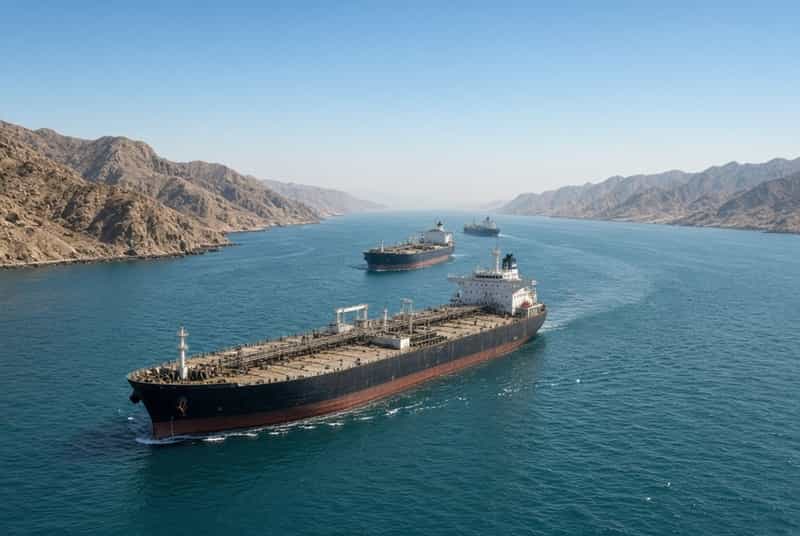
The Strait of Hormuz is the narrow maritime passage connecting the Persian Gulf with the Gulf of Oman and the wider Arabian Sea. Before the present conflict, approximately one-fifth of globally traded oil and liquefied natural gas passed through this route.
Disruption therefore affects far more than Iran and the United States. It can increase oil prices, insurance costs and shipping expenses, eventually raising transport and energy costs for consumers around the world.
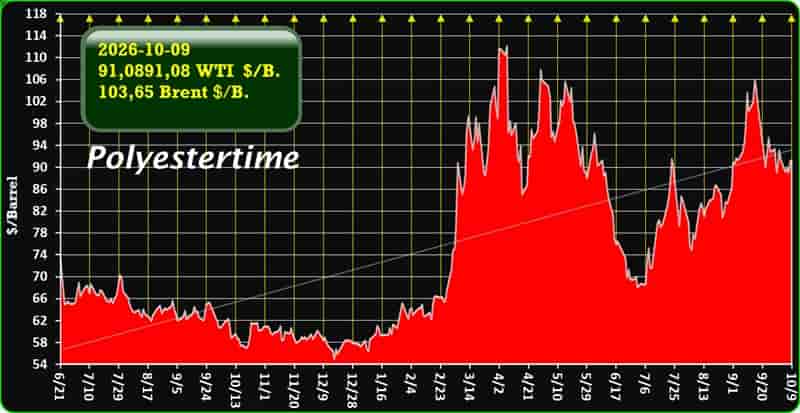
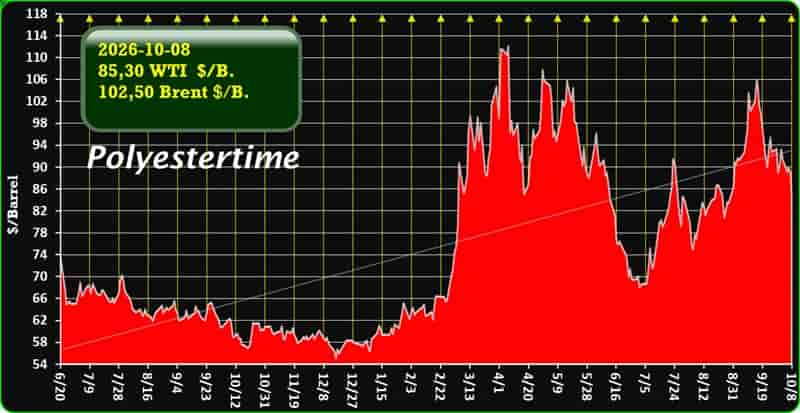
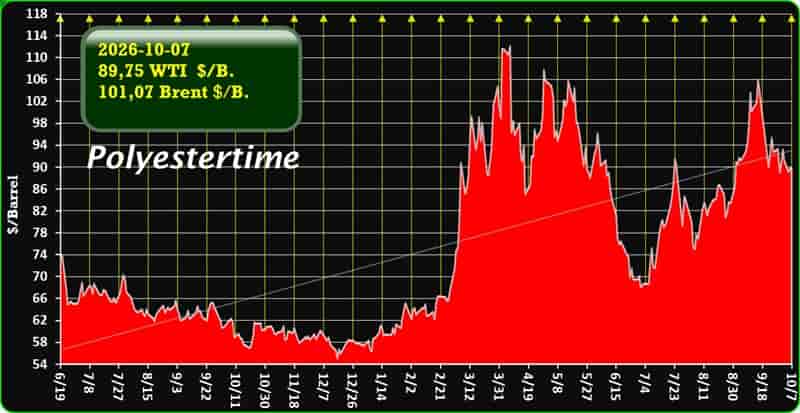
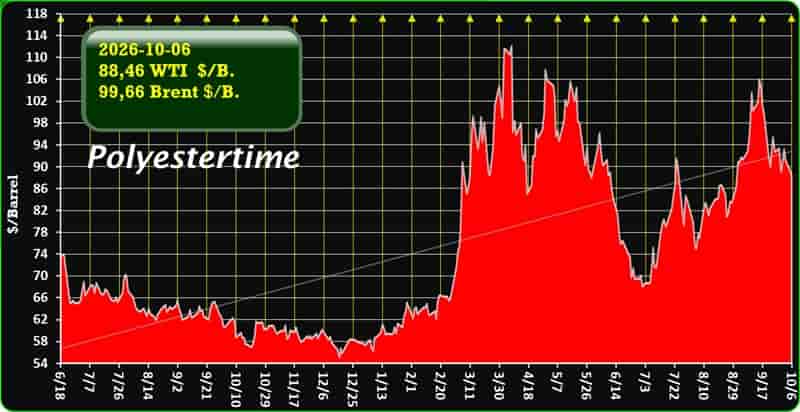
Oil prices moved above $90 a barrel on 18 August as hopes for a rapid diplomatic settlement weakened. Prices can change quickly, but the reaction illustrates the global economic importance of the waterway.
Iran seeks recognition of a central role in managing passage through Hormuz. Washington rejects any arrangement that it believes would legitimise Iranian control or allow Tehran to impose conditions on international shipping.
This is now one of the most dangerous points in the conflict. A vessel entering a disputed route, an attempt to enforce the US blockade or an Iranian operation to challenge it could lead to immediate retaliation.
What is happening between Iran and Oman?
Iran and Oman have reported progress toward an arrangement governing commercial passage through Hormuz. The details have not been fully published, and an announcement by the parties should not yet be treated as a completed, internationally accepted agreement.
Oman has traditionally acted as an intermediary between Iran and Western governments. Its ability to speak with both Tehran and Washington makes it important to any diplomatic solution.
Trump nevertheless threatened to bomb Oman if it interfered with US efforts concerning the strait. He later used less explicit language, saying Oman had not behaved well but could be handled easily.
The threat was independently reported by Reuters and the Associated Press. It is therefore a documented presidential statement, not an online rumour.
However, there was no verified report as of this update that the United States had issued an operational order or begun specific preparations to attack Oman. The distinction between inflammatory rhetoric and confirmed military action is essential.
A US attack on Oman would widen the conflict dramatically, damage relations with a longstanding regional partner and undermine one of the few remaining channels for mediation.
What Iran wants—and what it is threatening
Iran’s current demands appear to include an end to the US naval blockade, withdrawal of nearby American forces, compensation related to the conflict and acceptance of an Iranian role in Hormuz.
Tehran also wants to complete its shipping discussions with Oman without accepting Washington’s nuclear conditions.
An Iranian official told Reuters that Iran could undertake a “timely and precise” operation to break the blockade if diplomacy fails and the United States does not implement the memorandum’s terms. That is a conditional threat rather than confirmation of an imminent operation, but it is more specific than routine political rhetoric.
An attempt to break the blockade would create a direct risk of a clash with US naval forces. It could also lead to attacks on ports, ships, missile sites or other military infrastructure.
Is Israel preparing a new offensive?
No independently verified Israeli government or military announcement reported on 18 August established that Israel had decided to begin a new full-scale offensive against Iran.
Israel is not a party to the US–Iran memorandum and does not consider itself bound by it. Its longstanding security objectives extend beyond preventing an Iranian nuclear weapon and include weakening Iran’s missile capabilities and regional armed network.
Israel would be unlikely to welcome an agreement that preserved Iran’s military capabilities or gave Tehran recognised control over Hormuz. That is an assessment based on Israel’s established policy, not proof that a new operation has been authorised.
Claims that Israel has already approved a renewed offensive should be treated cautiously unless supported by an attributable Israeli statement or independently confirmed by major news agencies.
Are Kurdish forces preparing to invade Iran?
There is no serious, independently verified evidence that Iranian Kurdish forces have begun an invasion or received a final order to enter Iran.
What has been confirmed is an increase in pressure around Iraq’s Kurdish region. Two drones targeted the office of Kurdistan Regional Government Prime Minister Masrour Barzani and the residence of a senior Kurdish security official. No casualties were reported.
Iran denied responsibility, while the United States condemned the attacks.
Reports of Kurdish forces preparing a US- or Israeli-backed ground offensive remain unconfirmed. They should be described as allegations or possible scenarios—not as an operation already in progress.
Turkey would probably oppose a large autonomous Kurdish military mobilisation near its border. Ankara has historically viewed the expansion of armed Kurdish organisations as a national-security concern. This is a strategic assessment rather than a confirmed Turkish response to an invasion plan.
What could happen next?
Four developments deserve particular attention:
- A maritime confrontation
An Iranian attempt to challenge the US blockade, an attack on a commercial vessel or an enforcement operation by American forces could trigger rapid escalation.
- Further negotiations through intermediaries
Oman, Pakistan or other regional governments may continue efforts to restore negotiations. The gap between the US and Iranian positions remains substantial.
- Additional limited strikes
Either side could use targeted military action to strengthen its negotiating position without immediately launching a broader campaign. Such strikes could still escalate beyond their intended limits.
- A broader regional conflict
An attack involving Oman, Israel, Gulf states, Iraqi territory or armed regional groups could draw additional governments into the war.
The bottom line
The expired memorandum has not automatically produced a new phase of all-out warfare, but it has removed an important diplomatic deadline without replacing it with a credible settlement.
The highest immediate risk in the US Iran war remains the Strait of Hormuz. Commercial shipping, enforcement of the US blockade and Iran’s threat to break it provide several possible triggers for renewed fighting.
Trump’s threat against Oman is verified, but there is no confirmed US strike order. Reports of an imminent Kurdish invasion or a newly authorised Israeli offensive are also unverified.
Readers should distinguish among official actions, attributed threats and speculation. In a fast-moving conflict, that distinction is necessary to understand what has actually happened—and what remains only a possibility. US Iran war
Frequently asked questions
Is the US–Iran agreement still in force?
Its 60-day negotiating period has expired, and Trump has rejected an extension. The memorandum had already been severely weakened by renewed military action and mutual accusations of violations.
Has the United States decided to attack Oman?
No verified operational decision to attack Oman had been reported as of 18 August 2026. Trump’s threat was real and widely reported, but a threat is not the same as a strike order.
Is the Strait of Hormuz completely open?
Normal commercial traffic has not been restored. Passage remains heavily disrupted and subject to competing US, Iranian and Omani positions.
Has Iran announced an immediate offensive?
Iran has issued a conditional warning that it may act to break the US blockade if diplomacy fails. That does not establish that an operation has begun or that a final date has been selected.
Is a Kurdish invasion of Iran underway?
No. There is no independently verified evidence of a current Kurdish ground invasion.
Sources and methodology
This article distinguishes verified events from government claims, conditional threats and analytical assessments. It was reviewed against reporting and documents available on 18 August 2026:
- Reuters: Trump says Iran will not make the required deal and threatens Oman
- Associated Press: Trump threatens Oman amid the Hormuz negotiations
- Associated Press: Where the expired 60-day agreement stands
- White House: official statement describing the memorandum and US military position
- ABC News Australia: Reuters reporting on Iran, Oman and Hormuz
- The Guardian: oil prices and the economic effects of the Hormuz disruption
Strait of Hormuz: Tehran Studies Mechanism to Make Shipping Tolls Permanent