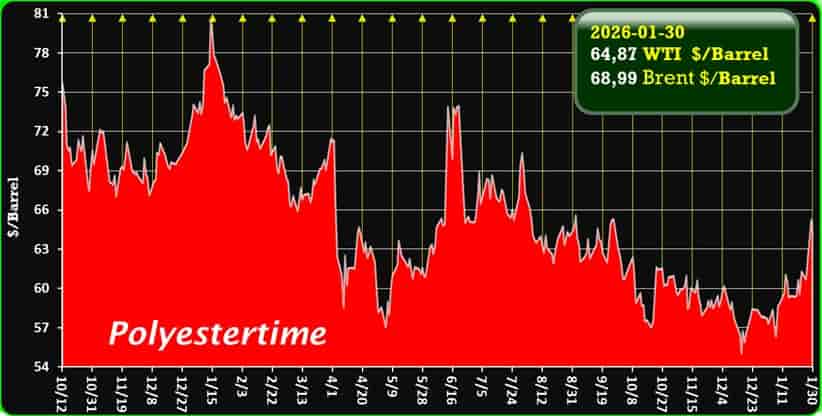
Auto Oil Price Rally Pauses Near Mid-Term Highs With Brent ~$68.65 and WTI ~$64.50 as Geopolitics, Demand Signals and OPEC+ Supply Balance Global Energy Market TensionsDraft 30-01-2026
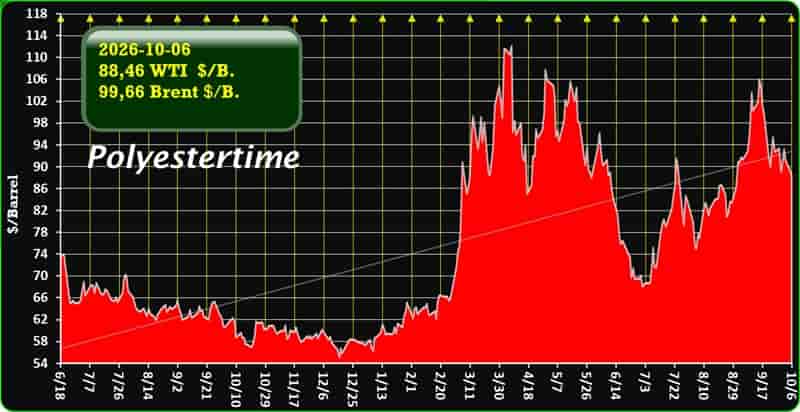
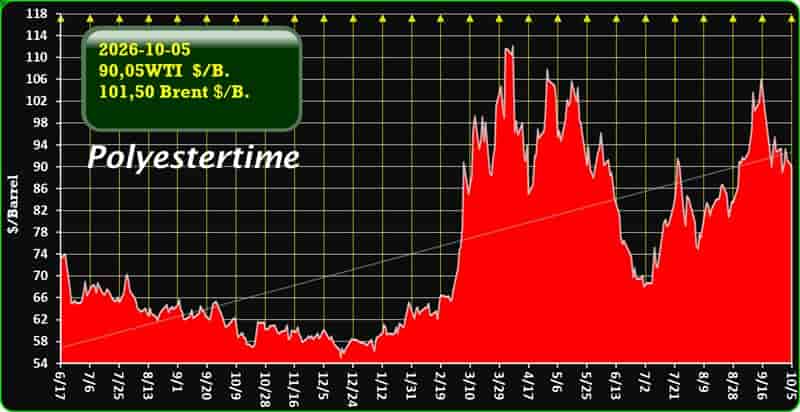
📌 Current Oil Price Snapshot (January 30, 2026)
| Benchmark | Price (Approx) | Change (Recent Trend) |
|---|---|---|
| Brent Crude | ~$68.65/barrel | Near multi-month highs after recent spikes around ~$70 |
| WTI Crude | ~$64.50/barrel | Stronger momentum than prior months, reflecting tightening geopolitical risk premium |
Note: These figures reflect market quotations around late January 30, 2026, incorporating recent news and price feeds.
📈 What’s Driving Oil Price Movements Now
Crude markets are highly sensitive to a mix of fundamental, geopolitical, and sentiment-driven forces. Below are the key factors shaping prices:
🔹 1. Geopolitical Tensions and Risk Premium
Oil hit levels near recent highs largely because escalating tensions between the United States and Iran have injected a significant geopolitical risk premium into the market. Reports indicate fears of a possible U.S. strike on Iran or wider conflict have pushed Brent prices above $70 per barrel in late January, the strongest levels in months.
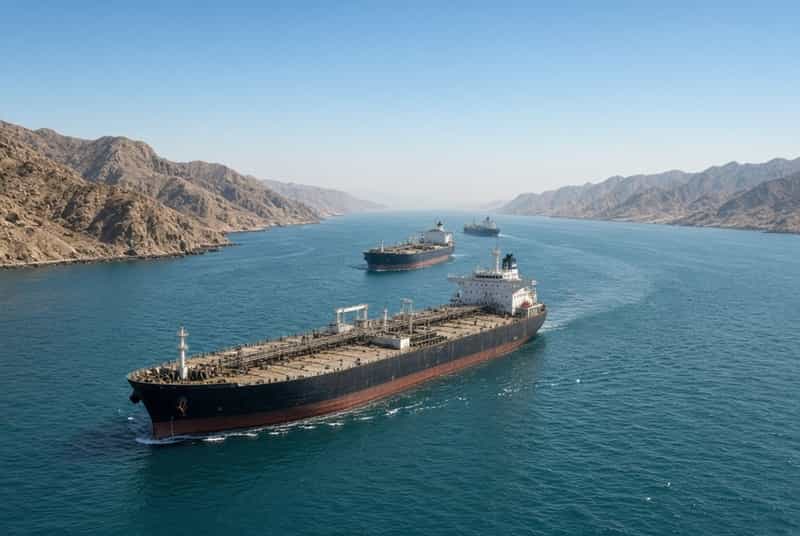
Iran remains a crucial producer within OPEC+, and any disruption could tighten flows through strategic chokepoints like the Strait of Hormuz, where up to one-fifth of global crude transits. Analysts suggest this geopolitical risk adds a $3–$4 per barrel premium to oil prices.
🔹 2. OPEC+ Supply Decisions
The wider OPEC+ coalition continues to manage supply carefully. As of Q1 2026, the group reaffirmed an output pause, opting not to increase production to avoid exacerbating a possible surplus.
This steady supply commitment supports prices even in the face of demand uncertainty. Longer-term market reports point to a complex outlook with periods of oversupply forecast by the EIA and IEA, juxtaposed with short-term supply discipline by OPEC+.
🔹 3. Global Supply & Demand Fundamentals
According to energy outlooks, global production is expected to exceed demand in 2026, which would normally exert downward pressure on prices. The EIA’s Short-Term Energy Outlook projects overproduction relative to consumption, with Brent averaging lower in 2026 than in 2025.
However, resilient consumption in major economies (U.S., China, India) — coupled with slower energy transition effects — continues to underpin ongoing demand growth even as supply grows.
🔹 4. Economic Data & Broader Markets
Oil prices are also responding to broader economic indicators. Slowing but steady economic growth in key regions keeps demand supported, while mixed macro data (inflation shifts, central bank policies) keeps traders cautious but engaged.
A weakening U.S. dollar has made oil cheaper for holders of other currencies — another factor supporting crude valuations in recent sessions.
🧠 Investor Sentiment and Market Psychology
Sentiment remains cautiously bullish with notable risk aversion:
-
Traders are pricing in potential supply disruptions due to geopolitical events.
-
Safe assets like gold have rallied, indicating risk-off positioning alongside oil gains.
-
Futures markets show backwardation in crude curves — a pattern where near-term prices exceed longer-term ones — suggesting tighter near-term physical market balances.
This mix indicates short-term confidence in higher prices but long-term caution given looming oversupply forecasts.
📉 Where Oil Prices May Go Next
Short-Term Outlook (Next Weeks to 3 Months)
-
Geopolitical risks could continue to elevate oil prices if tensions escalate further.
-
Supply discipline by OPEC+ supports a price floor near current levels.
-
However, forecast oversupply trends may cap upside unless production cuts or actual supply shocks occur.
Near-term scenarios:
-
Bullish Path: Brent revisits $70+ if risk premium persists or if Iranian output becomes constrained.
-
Neutral Path: Brent/WTI consolidate around current ranges supported by OPEC+ output discipline.
-
Bearish Path: Weak demand data or de-escalation may pull prices back toward $60 or below.
📊 Implications for the Global Economy & Markets
🌍 Energy Markets
Higher crude prices lift earnings for oil exporters but increase input costs for energy importers. Refining margins and downstream fuel price volatility can ripple through transportation, manufacturing, and industrial sectors.
📈 Inflation & Policy
Elevated oil costs can feed into aggregate inflation, pressuring central banks to balance growth with price stability — especially in energy-dependent economies.
🟢 Key Takeaways — Oil Price Landscape (January 30, 2026)
-
Brent and WTI remain elevated near multi-month highs amid geopolitical tension and supply discipline.
-
Markets balance supportive short-term dynamics against softer long-term fundamentals.
-
Investor sentiment reflects risk-premium pricing and cautious positioning.
More…