Kelheim Fibres Closure Signals Deep Structural Crisis in European Viscose Industry as Failed Investment Ends Historic German Production Era 30-01-2026
Kelheim Fibres Closure Confirmed After Failed Rescue Attempt
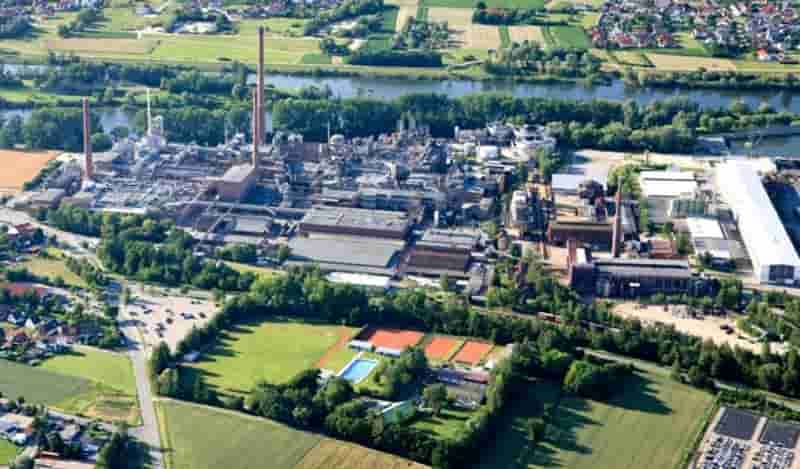
The Kelheim Fibres closure has been officially confirmed, marking the end of operations for one of Germany’s most established producers of speciality viscose fibres. The company will fully cease production on March 31 after a planned sale to a potential new investor collapsed at short notice. Despite restructuring efforts and visible customer support, the business was unable to reach the production volumes required for economic viability.
This closure represents more than the loss of a single manufacturer. It highlights the growing fragility of the European viscose industry amid rising costs, volatile demand, and increasingly complex investment conditions.
Investor Withdrawal Ends Continuation Prospects
The Kelheim Fibres closure follows months of intensive self-administration aimed at stabilizing operations and securing a long-term future. Management evaluated all realistic continuation scenarios, with the sale of the company to an external investor emerging as the most viable path.
However, the transaction ultimately failed due to missing commitments, including the lack of approval from a key customer whose participation was essential to future production planning. Without binding off-take agreements, projected output volumes fell short of the threshold required to sustain operations.
This breakdown underscores a central challenge facing capital-intensive fibre producers: investment alone cannot compensate for uncertain or insufficient market demand.
Demand Shortfalls Despite Customer Support
During the restructuring phase, Kelheim Fibres received backing from a significant portion of its customer base. While this support demonstrated confidence in the company’s technical capabilities and product portfolio, it did not translate into long-term contractual volumes.
In the viscose fibre sector, where energy costs, raw material prices, and regulatory compliance weigh heavily on margins, predictable demand is critical. The Kelheim Fibres closure illustrates how goodwill and short-term cooperation are no substitute for firm purchasing commitments.
Employee Impact and Social Transition Measures
Employees were informed of the Kelheim Fibres closure on January 26. In coordination with the Works Council and the self-administration team, a reconciliation of interests and a comprehensive social plan were agreed upon.
A dedicated transfer company will be established to support employees as they transition into new employment. This structure is intended to provide retraining, career guidance, and placement assistance, helping to mitigate the social impact of the shutdown.
While such measures cannot fully offset the loss of skilled industrial jobs, they reflect a coordinated effort to manage the closure responsibly and with social consideration.
Structural Pressures in the European Viscose Industry
The Kelheim Fibres closure is emblematic of broader structural challenges confronting the European viscose industry. Manufacturers face persistently high energy costs, stricter environmental regulations, and intensifying competition from producers in lower-cost regions.
At the same time, demand for speciality viscose fibres has become more fragmented. Customers increasingly prioritize flexibility, cost efficiency, and supply security, placing traditional production models under strain.
These pressures have narrowed the margin for error, leaving little room for companies unable to secure scale and long-term demand alignment.
From Industrial Heritage to Market Constraints
Kelheim Fibres built its reputation on technical expertise and a strong industrial legacy. For decades, the company supplied speciality viscose fibres to a range of high-value applications. Yet even established know-how has limited protective value in today’s rapidly shifting market environment.
The Kelheim Fibres closure demonstrates how legacy assets can become vulnerabilities when cost structures, energy intensity, and customer expectations evolve faster than investment and restructuring efforts.
Implications for the Fibre and Textile Supply Chain
The shutdown will affect not only employees and local stakeholders but also the wider fibre and textile supply chain. Customers reliant on Kelheim Fibres’ speciality products may face tighter supply conditions, extended qualification processes for alternative suppliers, and potential price volatility.
More broadly, the Kelheim Fibres closure further reduces European domestic fibre production capacity. This trend increases dependence on imports and heightens exposure to geopolitical, logistical, and regulatory risks across the textile value chain.
Strategic Lessons from the Kelheim Fibres Closure
The failure of the rescue effort sends a clear message to investors, industry leaders, and policymakers. Sustainable industrial continuity requires more than capital injections. It depends on integrated strategies that align investment, energy policy, long-term customer commitments, and market demand.
The Kelheim Fibres closure illustrates the risks of relying on late-stage investment solutions without fully secured commercial foundations.
A Turning Point for European Fibre Manufacturing
As the viscose sector continues to evolve, the Kelheim Fibres closure may come to be seen as a structural turning point rather than an isolated event. It reflects the ongoing rebalancing of global fibre production and raises fundamental questions about the future role of Europe in speciality fibre manufacturing.
For now, the company’s focus remains on an orderly wind-down and supporting affected employees. The broader implications, however, will resonate across the European textile and materials industry for years to come.
More…