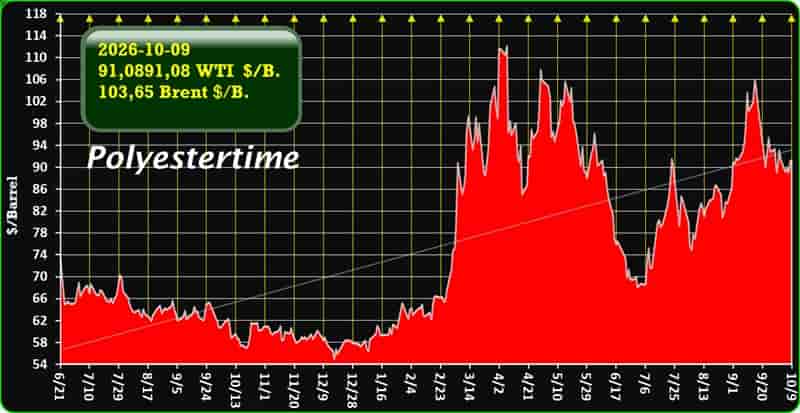
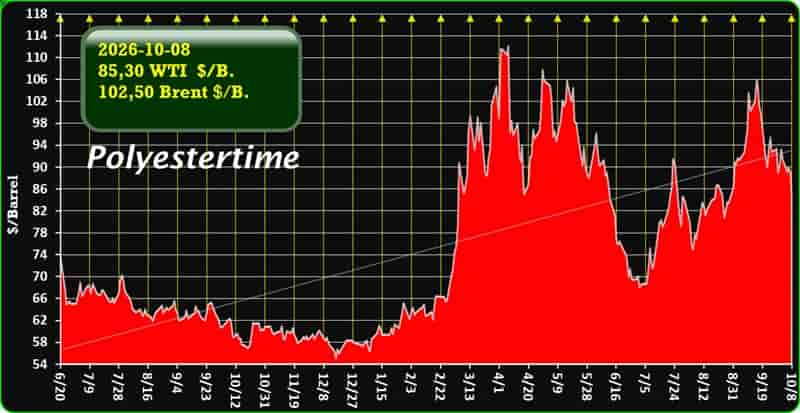
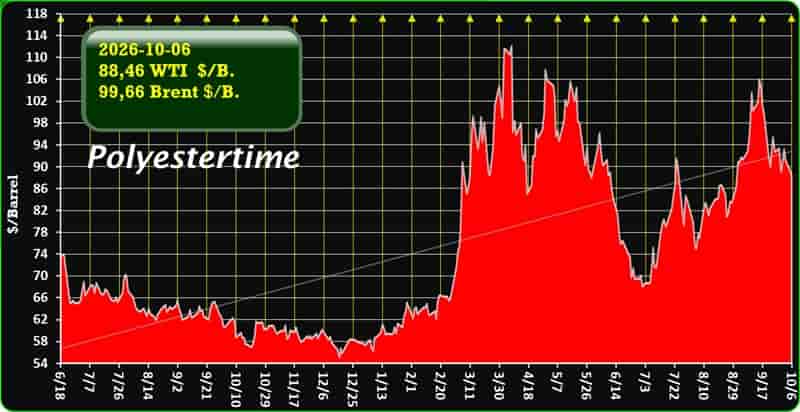
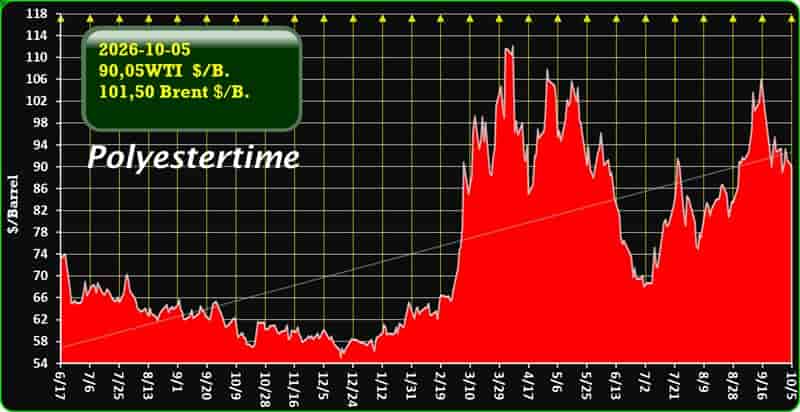
Oil Price Weakness on February 12, 2026: Brent at ~$67.40, WTI at ~$62.70 Amid Demand Slump, Rising Inventories, Geopolitical Uncertainty and Market Skepticism
📉 Oil Price Trend as of February 12, 2026
On February 12, 2026, benchmark crude oil price levels underscored persistent market pressures:
| Benchmark | Approx. Price (USD per barrel) | Trend |
|---|---|---|
| Brent Crude | ~$67.40 | Slight downward pressure recently |
| WTI Crude | ~$62.70 | Modest decline but within recent range |
These levels reflect a crude market that has slipped back from earlier resistances near $70–$71 per barrel and continues to consolidate within a broad sideways pattern. Technical indicators such as the RSI remain moderate, suggesting neither deeply oversold nor overbought conditions.
🛢️ Key Forces Shaping Today’s Oil Price
1. Global Supply vs. Demand Dynamics
One of the most influential drivers of current oil prices is the lingering supply overhang. Major energy agencies report that global production has often exceeded consumption, leading to rising inventories in key markets. This structural imbalance has been cited as a central reason for pressure on both Brent and WTI prices throughout 2026.
Even as short-term demand growth remains positive in certain regions, overall consumption growth has not been strong enough to absorb ample crude production—particularly from non-OPEC producers and resilient U.S. shale output.

2. OPEC+ Policy Actions
OPEC+ continues to play a stabilizing but cautious role:
-
The group has paused major output hikes, keeping supply within previously agreed parameters.
-
Forecasts from organizations such as the IEA and OPEC suggest demand growth slower than hoped, requiring disciplined compliance from producers to prevent inventory build-ups.
This calibrated approach aims to support prices without triggering further selloffs, but market participants remain wary as any loosening of cuts could quickly renew downward pressure.
3. Geopolitical Developments
Geopolitical headlines continue to add volatility to the oil price narrative:
-
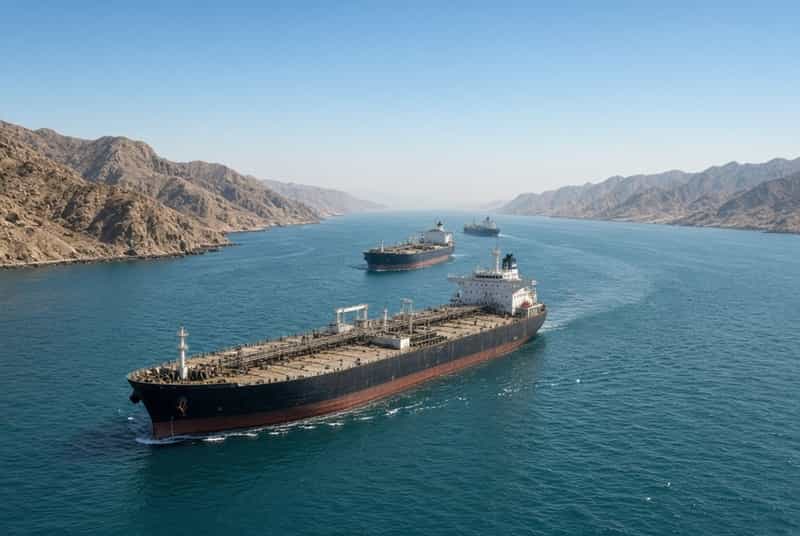
Reports that the U.S. may seize additional tankers carrying sanctioned Iranian oil stirred short-term price spikes as traders priced in potential supply disruptions.
-
Broader tensions in the Middle East and supply setbacks in regions like Kazakhstan’s Tengiz oilfield also provided intermittent support to prices.
However, markets also price in diplomatic developments—such as renewed talks involving Iran—which can temper disruption risk premia.
4. Economic Indicators and Investor Sentiment
Economic data indirectly influence oil price trends by shaping expectations for future consumption:
-
Stronger U.S. labor market data boosted confidence in broader economic resilience, which can support energy demand projections in the medium term.
-
Conversely, forecasts from the U.S. Energy Information Administration suggest that rising global inventories could keep prices subdued through 2027, with WTI averaging below $60/b for much of that period.
This mix results in a cautious investor mood: traders are balancing short-term volatility against structural bearish signals from inventory dynamics.
📊 Market Sentiment Snapshot
| Factor | Impact on Sentiment |
|---|---|
| Rising Global Stocks | Bearish pressure |
| OPEC+ Policy Discipline | Mild support |
| Geopolitical Risk Premium | Temporary bullish swings |
| Economic Growth Data | Mixed influence |
| Forecasts of Lower Prices through 2027 | Bearish bias |
Overall, sentiment is neutral to bearish, with intermittent bullish spikes tied to geopolitical headlines rather than sustained demand improvements.
🔮 Short-Term Outlook on Oil Price
Looking ahead:
-
Price Range: Brent may oscillate between the mid-$60s and lower $70s if supply-demand fundamentals remain tethered to current trends.
-
Inventory Levels: Elevated crude stockpiles will remain a key headwind until consumption accelerates more markedly.
-
Geopolitical Shocks: Any major supply disruption could spark sharp, short-lived rallies but won’t necessarily shift the underlying trend.
In practical terms, lower or sideways crude prices could keep energy costs muted for consumers but challenge investment in higher-cost oil projects. For economies heavily reliant on oil exports, this environment will continue to strain fiscal balances unless production strategies are adjusted.
🧠 Bottom Line
Crude oil price trends as of February 12, 2026 illustrate a market balancing oversupply concerns with sporadic supply risks. While Brent and WTI remain entrenched in a range reflective of broader demand weakness and inventory accumulation, geopolitical developments and macroeconomic data will dictate volatility in the weeks ahead.
For global markets and energy stakeholders, understanding these layered dynamics is essential for navigating price uncertainty and planning investment and policy responses.
More…