📈 January 29, 2026: Oil Price Update – Brent & WTI Respond to Geopolitical Risks and Market Imbalances in the Global Energy Landscape 29-01-2026
📊 Current Oil Price Levels — Brent & WTI
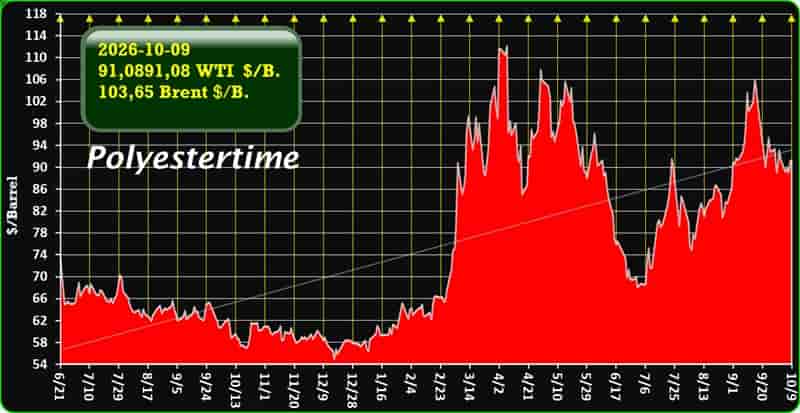
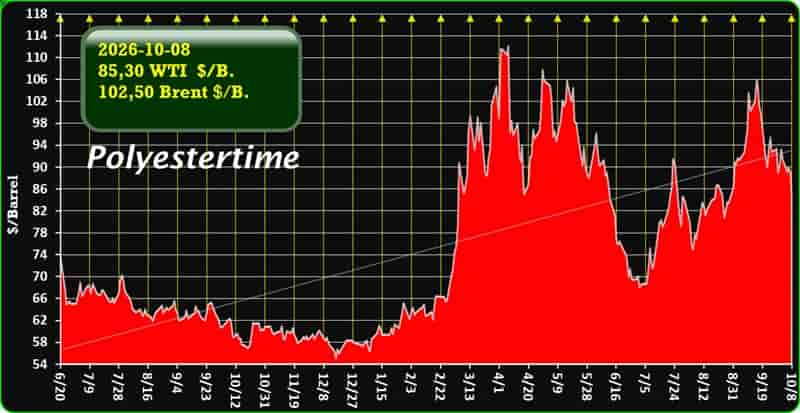
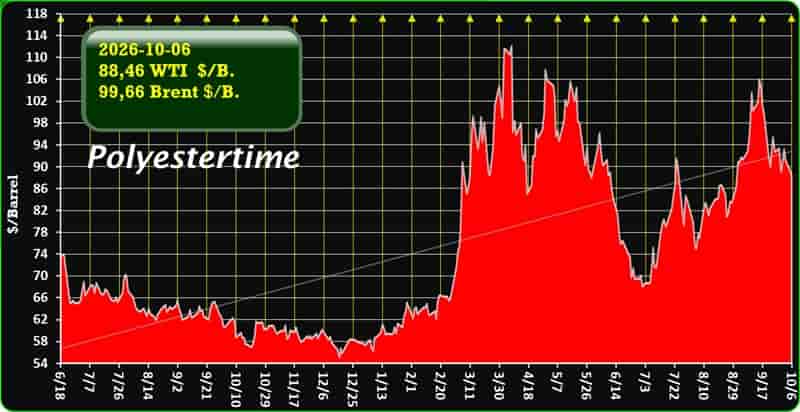
As of January 29, 2026, global crude benchmarks are showing measured strength amid mixed macro and geopolitical signals. Brent crude is trading near $68 per barrel, reflecting recent upside pressure driven by supply-risk concerns. Meanwhile, West Texas Intermediate (WTI) sits around $64 per barrel, maintaining its discount to Brent consistent with typical market spreads.
| Benchmark | Approx. Price (USD) | Market Insight |
|---|---|---|
| Brent Crude | ~$68.40/b | Strengthened by geopolitical fears and broader risk sentiment. |
| WTI Crude | ~$64.32/b | Supported by technical bullish signals in energy sector. |
Current price levels sit noticeably higher than many forecasts anticipated earlier in 2026 amid broad oversupply concerns. Models in late 2025 projected Brent and WTI trading closer to mid-$60s or below as persistent inventories pressured markets.
🔎 What’s Driving Oil Prices Today?
Oil markets remain subject to a complex mix of fundamental and sentiment-driven forces. Below are the dominant drivers influencing oil price dynamics right now:
🛢️ 1. Global Supply vs. Demand Balance
A core structural theme in early 2026 remains persistent oversupply. Global crude output continues to outpace demand growth, leaving inventories elevated and exerting downward pressure on prices. This structural surplus has been one of the primary stories of the past year, with 2025 marking one of the steepest annual oil price declines since 2020.
Despite this, recent price action suggests that markets are increasingly pricing in short-term risks rather than fundamentals alone.
🛠️ 2. OPEC+ Policy and Production Stance
Decisions by OPEC+ remain central to oil price direction. Through early 2026, the group has largely maintained production policies without aggressive cuts — a stance reflecting concerns over demand weakness and member interests. That said, any future coordinated supply adjustments could quickly tighten markets and lift oil prices.
🌍 3. Geopolitical Tensions
Political risk is currently amplifying price movements. Heightened fears of conflict escalation in the Middle East — including concerns over potential strikes and broader regional instability — have driven commodity markets higher today as traders price potential supply disruptions.
Such geopolitical risk premia are particularly impactful for Brent, given the benchmark’s sensitivity to Near East supply flows and shipping routes.
📈 4. Investor Sentiment and Technical Signals
Market sentiment is mixed but tilting cautiously bullish in the near term. Technical strategists have noted breakout patterns in energy equities and crude futures that could support further gains if key resistance levels hold — hinting at potential momentum extending beyond current price levels.
However, sentiment is far from one-directional; structural supply concerns and weak economic indicators temper broader optimism.
📌 What This Means for the Global Economy
Oil prices matter far beyond trading desks. Here’s how current trends feed into the broader economic landscape:
-
Inflation & Consumer Costs: Higher crude prices can translate into elevated fuel and transportation costs, feeding inflationary pressures in major economies.
-
Monetary Policy: Central banks may factor energy price trends into their policy decisions amid ongoing inflation debates.
-
Business Investment: Sustained price volatility can influence capital allocation in energy sectors, especially for producers with higher breakeven costs.
🔮 Short-Term Outlook — Where Oil Prices May Head
Analysts and market models currently point to several plausible directions for oil price in the coming weeks:
⚠️ Downside Scenario: Supply Dominance
If global oversupply persists and geopolitical risks recede, Brent could drift back toward lower levels near the mid-$60s or even toward the $60 mark, with WTI potentially trading in the low-$60s. Many institutional forecasts from late 2025 expected such a supply-driven range.
🚀 Upside Potential: Risk-Driven Push
Conversely, any escalation in geopolitical tensions or deeper OPEC+ cuts may quickly push oil prices above $70/b for Brent and stimulate renewed interest in energy assets. Recent technical breakouts in energy markets support the plausibility of this scenario in the short term.
📊 Neutral Path: Rangebound Trading
Given prevailing fundamentals and sentiment, one likely outcome is a range-bound market where Brent stays between roughly $65–$72 per barrel, and WTI trades within a narrower band. This would reflect a tug-of-war between structural oversupply and episodic risk premiums.
📌 Final Takeaway
Today’s oil price environment is shaped by a nuanced interplay of oversupply fundamentals, geopolitical risk, and evolving investor sentiment. While structural pressure from surplus production continues to cap long-term gains, short-term price action reflects heightened sensitivity to political developments and technical bullish patterns.
For global economies and energy markets alike, staying attuned to OPEC+ decisions, inventory data, and geopolitical developments will be key as 2026 unfolds.
More…