US-Iran Conflict Sparks Energy Volatility: Brent Hits $112 and WTI Reaches $103
US Iran oil prices
US-Iran Conflict Sparks Energy Volatility: Brent Hits $112 and WTI Reaches $103
Global Energy Markets Brace for Impact as Geopolitical Tensions Surge
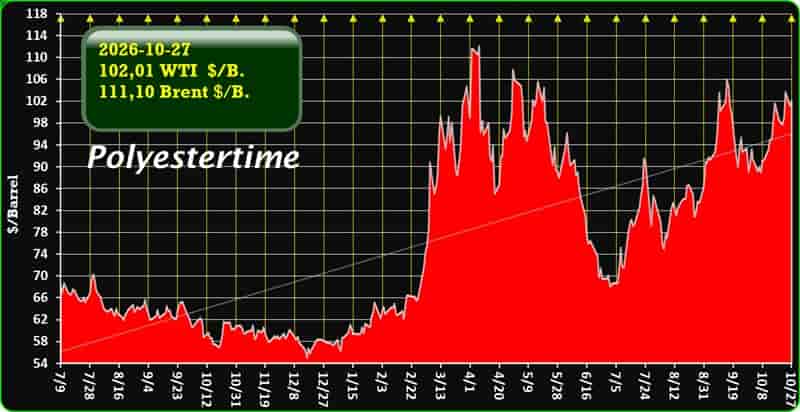
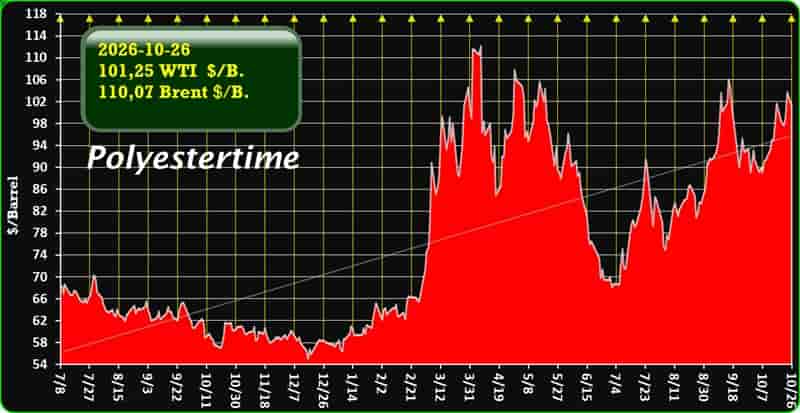
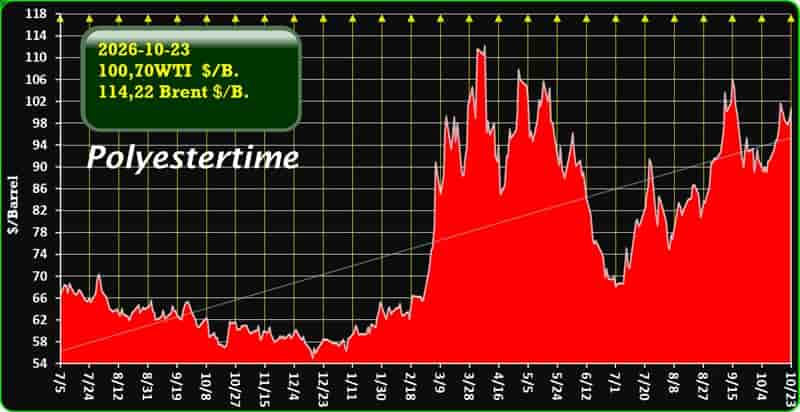
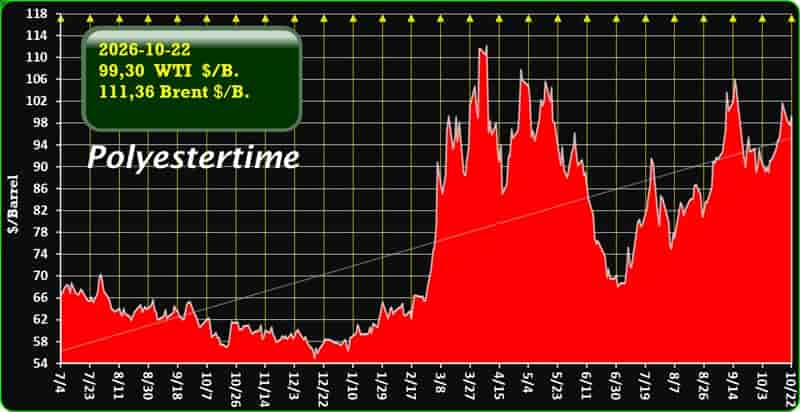
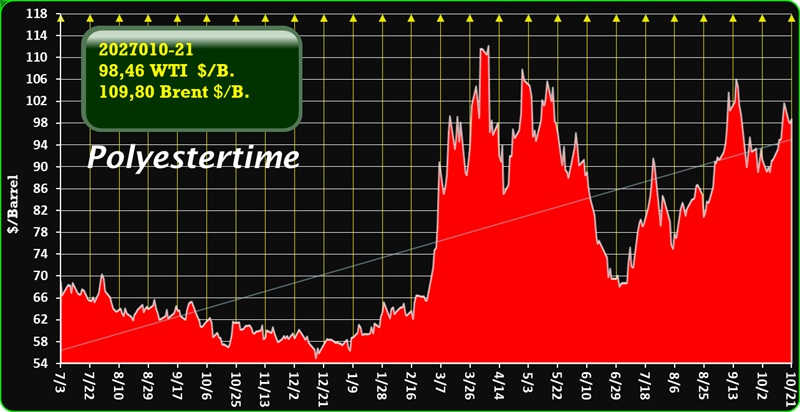
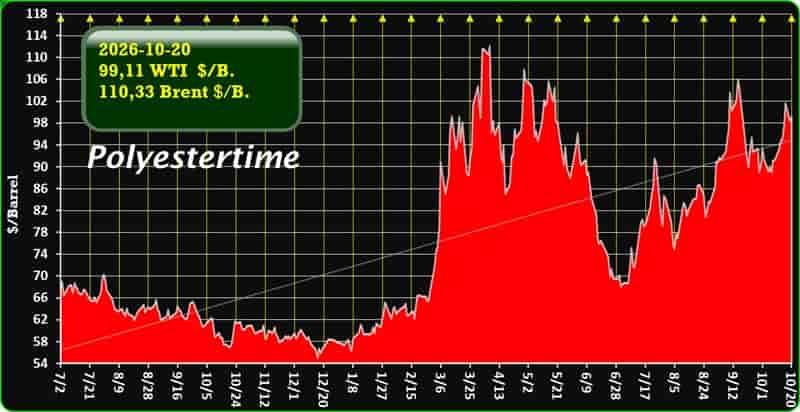
Global energy markets have entered a sharp phase of instability as military tensions between the United States and Iran escalate in the Middle East. The international crude benchmark, Brent crude, is currently hovering around $112 per barrel, while the American benchmark, West Texas Intermediate (WTI), trades near $103 per barrel. This price gap underscores deep geopolitical anxiety surrounding international supply routes, maritime security, and global economic stability. US Iran oil prices
Investors and energy traders are heavily monitoring every headline coming out of the Persian Gulf. The current surge in oil prices reflects a risk premium that has not been seen in months, as market participants fear direct interruptions to crude exports. While diplomatic channels attempt to de-escalate the dispute, energy markets remain hyper-sensitive to any sudden operational or strategic shifts in the region.
The Strait of Hormuz: The Core Energy Chokepoint
At the center of current market anxieties is the Strait of Hormuz, the world’s most critical oil transit chokepoint. Roughly 20 percent of the world’s petroleum supply flows through this narrow waterway daily, connecting Persian Gulf crude producers to major consumption centers in Asia, Europe, and North America. Recent attacks near the strait and heightening security threats have raised serious fears regarding tanker traffic continuity.
The widened spread between Brent crude ($112/bbl) and WTI ($103/bbl) visually highlights this regional risk disparity. Brent carries a higher shipping risk premium due to its reliance on waterborne global sea routes. Conversely, inland U.S. crude pipelines buffer domestic supplies, keeping WTI at a notable discount compared to international crude benchmarks. US Iran oil prices
Market Comparison
-
Brent Crude: ~$112.00 per barrel | Primary Exposure: Seaborne international routes & Middle East trade risks
-
WTI Crude: ~$103.00 per barrel | Primary Exposure: Domestic U.S. pipeline infrastructure & inland reserves
Macroeconomic Implications: Inflationary Pressures Return
Sustained oil prices above $100 per barrel present major headwinds for the global economy. Central banks worldwide, which spent recent years battling high inflation, now face renewed price pressure from rising fuel and transportation costs. Retail gasoline prices and commercial diesel rates have spiked globally, increasing operational burdens across aviation, manufacturing, and supply chain logistics.
Higher energy prices act as an implicit tax on consumer spending. When fuel costs rise dramatically, consumer discretionary purchasing power declines, slowing overall economic growth. Financial analysts warn that if Brent crude breaks past $120 per barrel and sustains that level, the probability of stagflation—a combination of sluggish economic growth and high inflation—could increase significantly.
Diplomatic Endeavors vs. Strategic Supply Risks
Energy analysts remain split on the medium-term outlook for oil markets. On one hand, temporary pauses in hostilities or potential diplomatic breakthroughs could lead to rapid price pullbacks as market participants reduce geopolitical risk premiums. Tactical diplomatic discussions backed by international powers aim to keep critical maritime corridors open. US Iran oil prices
On the other hand, fundamental energy inventory levels remain tight. Commercial petroleum inventories in key consuming nations are running near five-year lows, leaving minimal buffer against unexpected supply shocks. If targeted military actions impair energy processing facilities or key export terminals in the region, global energy markets could experience unprecedented supply deficits.
Conclusion and Market Outlook
The current baseline for crude oil prices—with Brent at $112 and WTI at $103—reflects an environment defined by high geopolitical vulnerability and tight physical inventories. In the coming weeks, market volatility will likely remain high. Energy traders, policymakers, and consumers alike must navigate an unpredictable landscape where geopolitical decisions directly govern global economic stability.
Key Takeaways for Readers
-
Geopolitical Risk: Brent crude is trading at $112/bbl and WTI at $103/bbl amid US-Iran conflicts.
-
Maritime Security: The Strait of Hormuz remains the single biggest operational bottleneck for global oil supply.
-
Economic Friction: Elevated crude prices threaten renewed inflationary pressures globally. US Iran oil prices
US-Iran Crisis Escalates: Oil Prices Skyrocket as Brent Hits $112 Threatening Global Economy
More…