Navigating the Crosswinds: How the US-Iran War Is Shaping Oil Prices Today
US-Iran war oil prices
Navigating the Crosswinds: How the US-Iran War Is Shaping Oil Prices Today
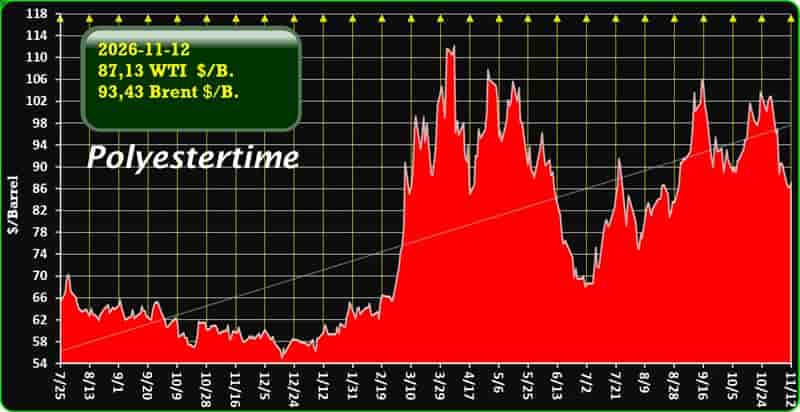
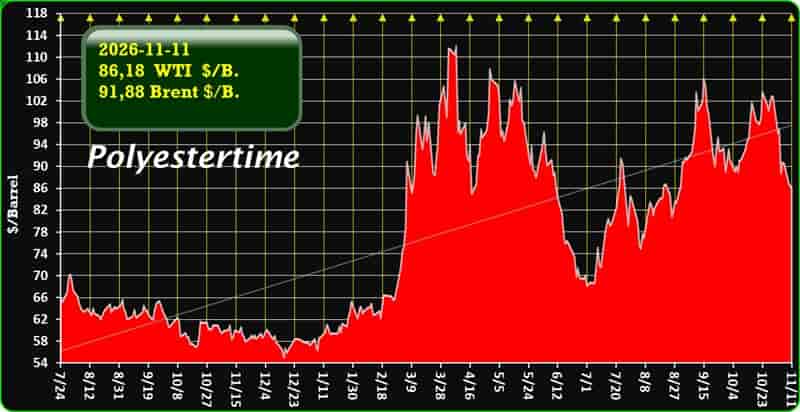
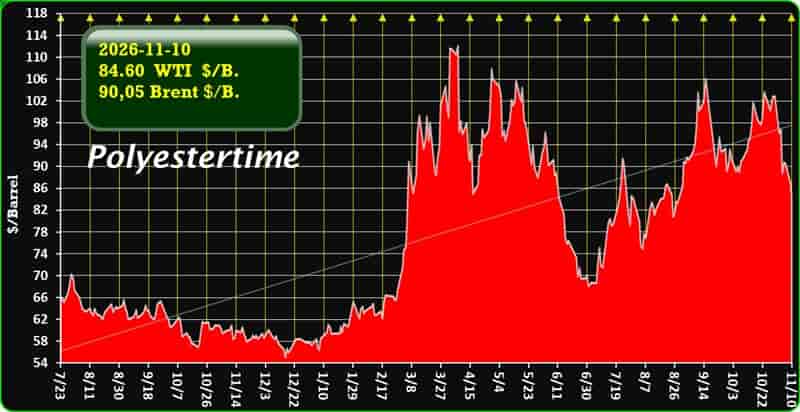
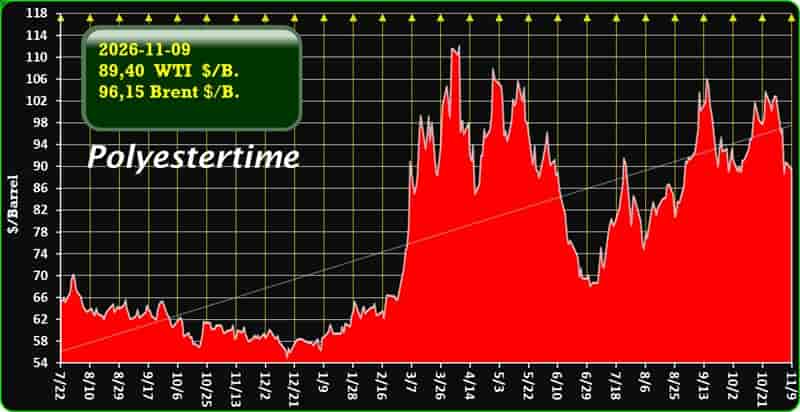
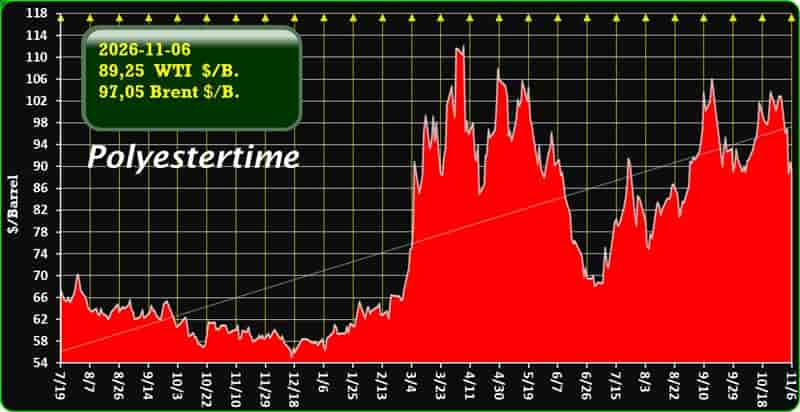
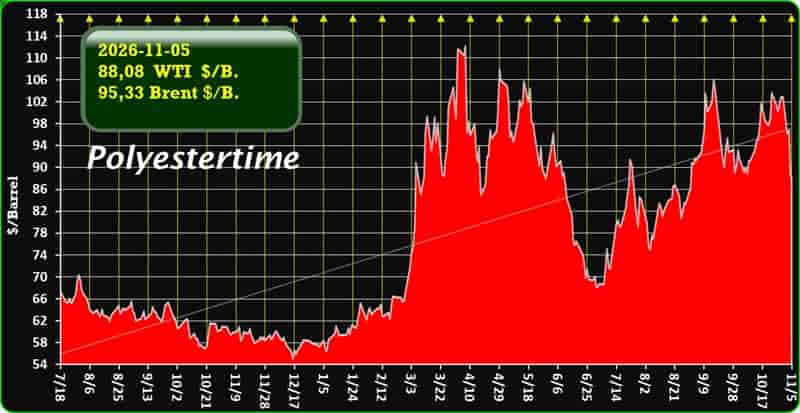
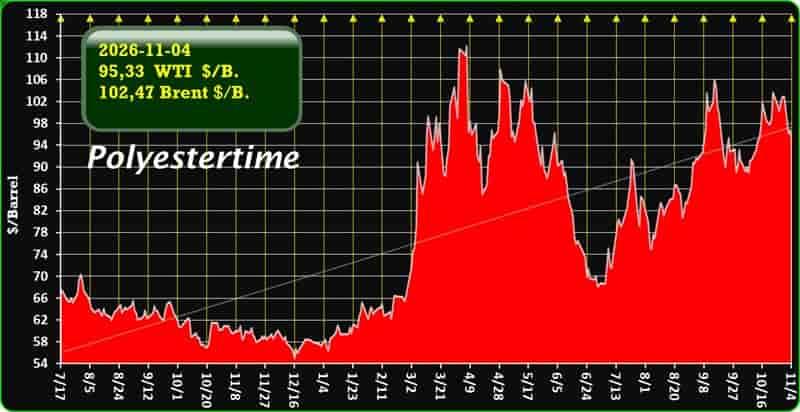
Global energy markets are caught in an intense tug-of-war between persistent geopolitical risk in the Middle East and rising global crude supplies. With Brent crude trading around $94 per barrel and West Texas Intermediate (WTI) hovering near $88 per barrel, traders are constantly recalibrating their risk models. While current prices represent a noticeable pullback from the triple-digit highs recorded in October 2026, the underlying market structure remains fragile as the US-Iran war continues to disrupt maritime trade and diplomatic stability.
Understanding where crude prices head next requires looking closely at the competing forces driving daily market volatility: the stalled diplomacy and military friction in the Persian Gulf, versus the aggressive supply response from major producers outside the conflict zone.
The Geopolitical Risk Premium and the Strait of Hormuz
The primary floor under current oil prices remains the unresolved conflict between Washington and Tehran. Although large-scale aerial bombardments have paused since the summer, the war has entered a protracted phase of maritime attrition and economic blockade.
Commercial shipping through the Strait of Hormuz—the vital chokepoint through which roughly a fifth of the world’s petroleum liquids pass—continues to face daily threats. Ship operators regularly report projectile strikes and drone harassment to the United Kingdom Maritime Trade Operations (UKMTO), keeping war-risk insurance premiums elevated and forcing tankers to navigate heightened security protocols.
Key geopolitical developments keeping a risk premium baked into Brent and WTI include:
-
Deadlocked Nuclear and Ceasefire Talks: Hopes for an imminent diplomatic breakthrough faded this week after senior Iranian security officials rejected Washington’s core demand to surrender enriched nuclear material. Tehran continues to insist that the United States must lift economic sanctions and end its naval blockade before commercial traffic in the Strait of Hormuz can fully normalize.
-
Mixed Military Signals: While U.S. leadership has suggested that further large-scale military strikes against Iran may be unnecessary if sanctions and maritime containment achieve their goals, recent targeted operations—such as strikes on Iranian radar and missile installations on Qeshm Island—underscore how quickly hostilities can flare back up.
-
Escalating Rhetoric and Regional Spillover: Tehran’s formal abandonment of its self-imposed 2,000-kilometer missile range cap and ongoing proxy friction across Iraq and the broader Levant remind energy traders that regional infrastructure remains vulnerable to sudden retaliation. US-Iran war oil prices
Supply Surges Are Capping the Rally
Despite the severe geopolitical backdrop, oil prices have retreated significantly from their October peaks—when Brent briefly approached $118 per barrel. The market’s inability to sustain triple-digit pricing comes down to fundamental supply mechanics that are actively offsetting Middle Eastern disruptions.
First, Saudi Arabia and other OPEC+ members have stepped up production to stabilize global balances and capture market share. Data reported to OPEC indicates that Saudi crude output surged by 26% in October to roughly 10.56 million barrels per day, marking one of the kingdom’s strongest monthly production levels in recent years. Recovering exports from alternative Persian Gulf terminals have helped ease immediate fears of a global physical shortage.
Second, North American production remains resilient. U.S. domestic crude output is holding steady near 14 million barrels per day, while recent figures from the American Petroleum Institute (API) pointed to a substantial 9-million-barrel build in U.S. commercial crude inventories. Rising domestic stockpiles act as a crucial buffer for WTI, explaining why the American benchmark trades at a roughly $6 per barrel discount to seaborne Brent crude.
Finally, broader diplomatic chatter surrounding potential peace frameworks in Eastern Europe has occasionally weighed on energy sentiment, reminding investors that any reduction in global geopolitical friction could quickly unwind speculative long positions.
Market Structure: Steep Backwardation Signals Near-Term Tightness
Even with Brent near $94 and WTI around $88, the futures curve tells a nuanced story. Both benchmarks are trading in steep backwardation—a market condition where contracts for immediate delivery command significantly higher prices than contracts for delivery months or years down the road.
While front-month Brent hovers in the low-to-mid $90s, futures contracts for late 2028 and 2030 are pricing closer to the $65–$74 range. This structure indicates that while traders expect long-term supply growth and eventual geopolitical normalization to bring prices down over time, immediate physical tightness and winter heating demand—especially for middle distillates like diesel and gasoil—remain pressing concerns. US-Iran war oil prices
What This Means for Consumers and Businesses
For businesses, logistics operators, and everyday consumers, the current price environment brings mixed relief. Retreating from $118 to $94 for Brent has eased the worst-case inflationary shock feared earlier in the autumn. However, oil near $90 per barrel still represents a roughly 45% to 48% increase compared to year-ago levels.
Refined fuel costs remain sensitive to maritime shipping bottlenecks. According to recent U.S. Energy Information Administration (EIA) outlooks, retail gasoline and diesel prices face upward pressure heading into 2027 due to tight refining margins and elevated freight insurance costs. Companies exposed to fuel and petrochemical costs should anticipate continued two-way volatility rather than a smooth return to pre-war pricing.
Summary of Key Market Drivers
-
Current Benchmark Levels: Brent trades near $94/B and WTI near $88/B, down over 20% from October highs but up more than 45% year-over-year.
-
Upside Catalysts: Daily tanker harassment in the Strait of Hormuz, Iran’s refusal to negotiate on enriched uranium, and the risk of renewed U.S. or Israeli strikes.
-
Downside Catalysts: Surging Saudi production, a 9-million-barrel build in U.S. crude inventories, and periodic optimism around diplomatic talks.
US-Iran War and Oil Prices: Navigating Market Volatility as Brent Trades Near $92 and WTI at $86
More…