Oil Price Trend Today: Brent and WTI Hold Steady Near $69/$64 Amid Geopolitical Tension, Demand Headwinds, and OPEC+ Discipline — What It Means Now 10-02-2026
Current Oil Price Landscape — Brent & WTI Movements
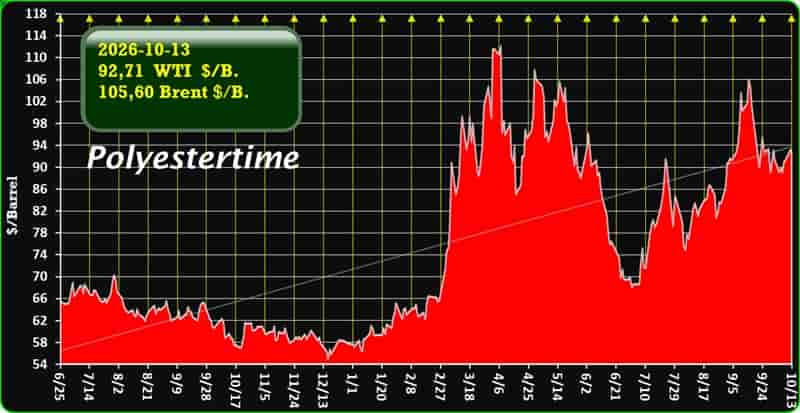
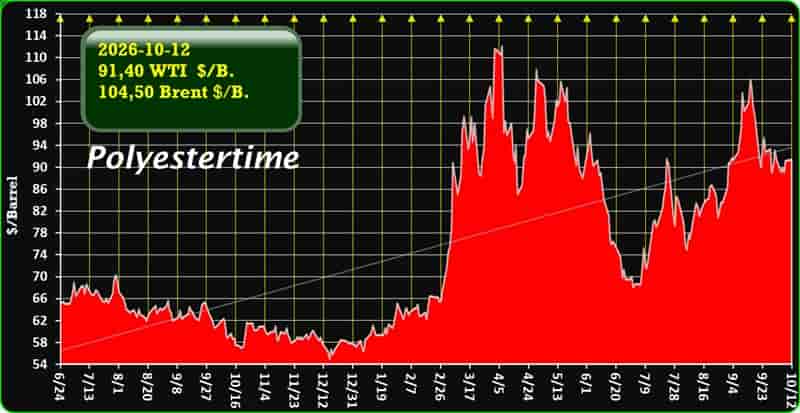
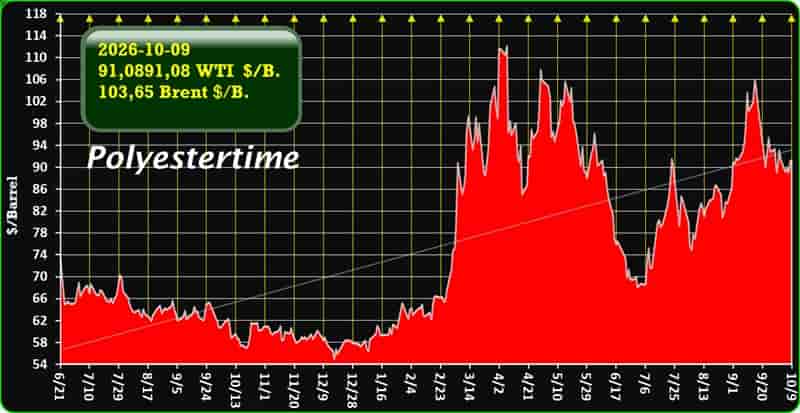
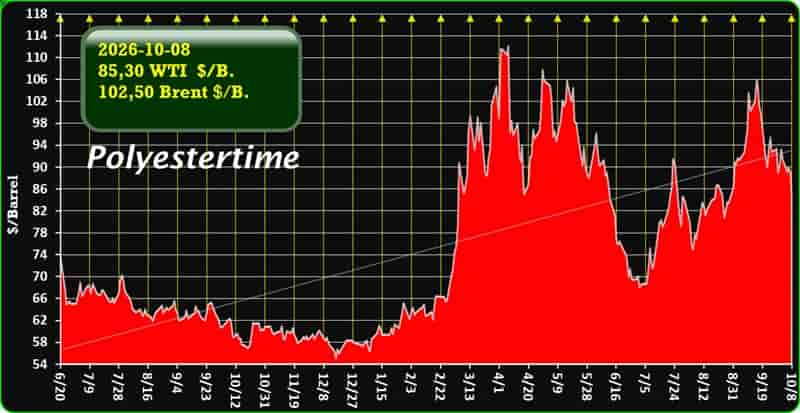
As of February 10, 2026, benchmark crude prices remain within recent ranges: Brent crude around $68.89 per barrel and West Texas Intermediate (WTI) roughly $64.18 per barrel. These levels reflect a period of moderation after earlier volatility in early 2026, as markets grapple with supply-demand imbalances and heightened geopolitical risk.
Below is a snapshot of the latest price context:
| Benchmark | Approx. Price (Feb 10, 2026) | Near-Term Trend |
|---|---|---|
| Brent Crude | ~$68.89 / bbl | Modest consolidation |
| WTI Crude | ~$64.18 / bbl | Slightly softer vs Brent |
Despite Brent’s stronger global pricing relative to WTI (a common pattern reflecting regional supply and logistical factors), both are trading below the highs seen in previous market spikes yet above certain long-term forecasts that had projected further weakness through 2026.
What’s Driving the Oil Price Now?
Crude oil pricing today reflects a confluence of fundamental and geopolitical drivers. Below are the key forces at play:
1. Geopolitical Tensions: US & Iranian Waters Advisory
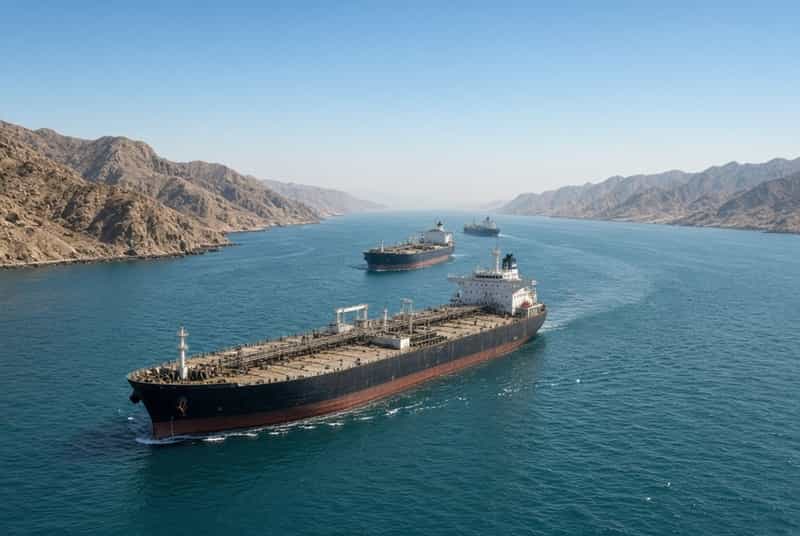
Recent news (inspired by reports like Crude prices climb as US tells ships to avoid Iranian waters) highlights renewed geopolitical friction in the Gulf, centered on U.S.–Iran interactions. While negotiations are ongoing, military movements and warnings about shipping routes add risk premiums to crude valuations, underpinning price support even amid mixed data.
Such geopolitically driven risk often boosts crude prices, as traders price in the threat of supply disruption from Middle East export chokepoints (e.g., the Strait of Hormuz, through which a large share of global oil flows).
2. Global Supply & Demand
Supply remains ample. OPEC+ has generally maintained disciplined output levels into 2026, resisting significant production increases despite oversupply concerns — a factor that has helped stabilize prices.
At the same time, forecast data (e.g., U.S. Energy Information Administration analyses) indicate that global crude production is expected to exceed demand this year, leading to inventory builds that would, all else equal, exert downward pressure on oil prices.
Demand growth has remained modest, constrained by slower economic activity in some major markets and efficiency gains in transport and energy use. Seasonal elements (e.g., heating demand in the northern hemisphere) may offer temporary support but have not driven a sustained uptrend.
3. Economic Data & Inventories
Weekly U.S. stockpile data and broader macro statistics continue to influence trader positioning. For example, lower inventories typically signal tighter markets and buoy prices; conversely, rising inventories can signal ample supply and cap gains. Recent data have displayed mixed signals, contributing to price stabilization rather than strong directional moves.
4. Investor Sentiment & Risk Appetite
Markets currently reflect cautious optimism around diplomatic engagement paired with underlying risk aversion tied to geopolitical friction. In practice, this has manifested as range-bound trading, where spikes tied to geopolitical headlines are quickly tempered by fundamental supply/demand assessments.
Technicals among traders also point to a balancing act: volatility remains elevated, but with no clear breakout direction yet confirmed in either the bullish or bearish camp. Broad market sentiment therefore favors a wait-and-see stance.
What This Means for Energy Markets & the Global Economy
The persistence of moderately elevated oil price levels around current Brent and WTI levels suggests a few implications:
✅ Energy Sector Impacts
-
Producers benefit from relatively stable price floors, supporting capital expenditure and cash flows.
-
Refiners may see compressed margins if crude remains elevated while refined product demand softens.
⚖️ Economic Impacts
-
For net oil importers, sustained prices near $65–$70 can contribute to inflationary pressures, particularly in transportation and industrial sectors.
-
Exporting economies (e.g., Middle East, Russia) gain some fiscal cushion, but only if prices remain stable amid geopolitical noise.
Short-Term Outlook
Looking ahead over the coming weeks:
-
Geopolitical signals — especially developments around U.S.–Iran relations — will likely continue to act as a key price determinant. Continued tensions could add upside volatility, while easing would dampen risk premia.
-
OPEC+ policy announcements (e.g., production quotas) will remain critical. Any shift toward deeper cuts would likely support higher prices; a loosening would place downward pressure.
-
Supply vs Demand balance — if global production continues to outpace consumption, inventory builds could cap price growth even in the face of geopolitical risk.
Analysts and energy institutions project range-bound crude pricing through the first half of 2026, with Brent and WTI likely to fluctuate within established support and resistance bands unless disrupted by major supply shocks.
Final Thoughts
In summary, the oil price environment on February 10, 2026 reflects a complex interplay of geopolitics, supply/demand fundamentals, and market sentiment. Benchmark crude prices are stable but sensitive to headline risk and macroeconomic signals. For investors, producers, and policymakers alike, this period signals vigilance over volatility rather than runaway price trends.
If you want tables optimized for Core Web Vitals and semantic schema, I can also provide structured JSON-LD markup tailored to WordPress.
More…