BEWI Strengthens Circular Insulation Strategy as New EPS Recycling Facility in Norway Accelerates Recycled Content Use and Industrial Sustainability Leadership 10-02-2026
EPS recycling facility
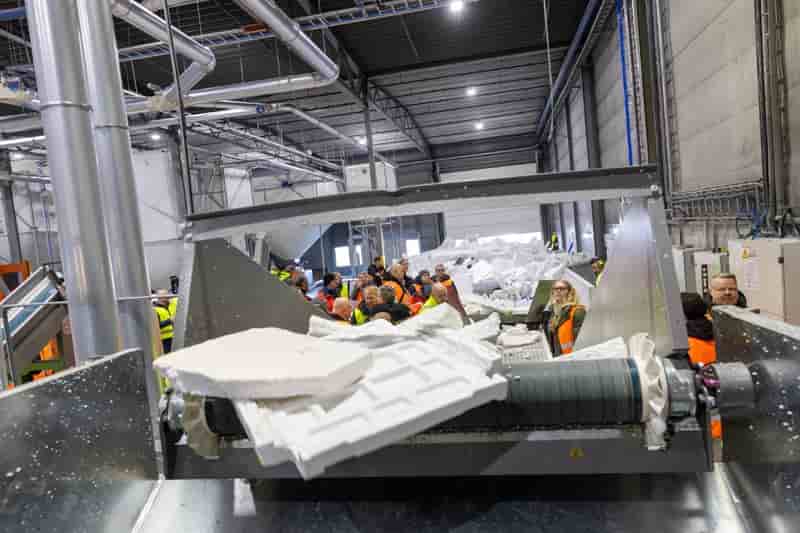
BEWI has taken a significant step in advancing circular construction materials by opening Norway’s first expanded polystyrene recycling facility
The new plant is located at BEWI’s existing insulation production site in Fredrikstad and is designed to enable direct use of recycled EPS in the manufacturing of new insulation products.
The facility strengthens BEWI’s strategy to increase recycled content in insulation solutions, responding to growing market demand, stricter regulatory requirements, and the construction sector’s push to reduce environmental impact. By integrating recycling directly into its production operations, BEWI is positioning itself at the forefront of circular insulation manufacturing in Northern Europe. EPS recycling facility
On-site recycling enables closed-loop production
A defining feature of the new Fredrikstad facility is its on-site recycling model. EPS waste collected from insulation and packaging in the surrounding region is processed directly at the production site, reducing transport distances, emissions, and material losses.
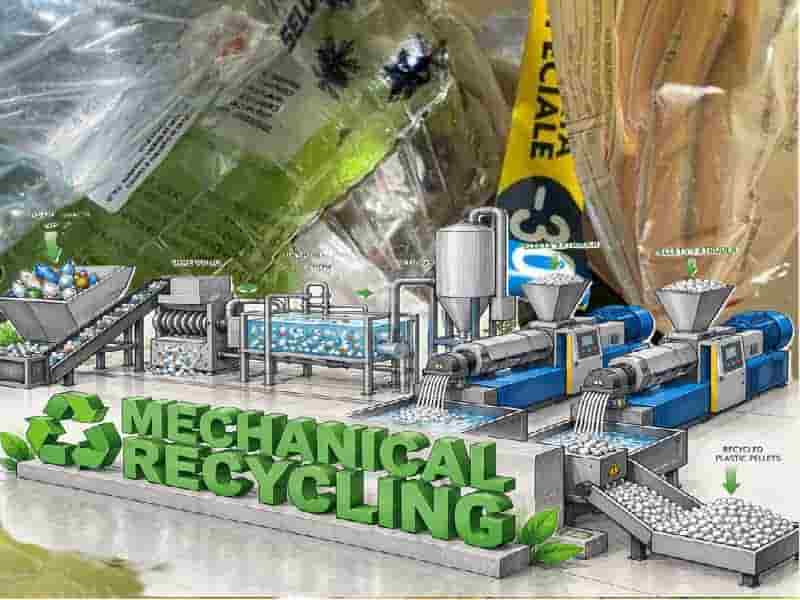
This closed-loop approach allows recycled EPS to be reintroduced into the manufacturing process with minimal delay. The recycled material is granulated or mechanically processed into high-quality raw material suitable for new insulation products, including BEWI’s GreenLine EPS and Terra XPS ranges. EPS recycling facility
Direct integration of recycling and production improves efficiency, enhances material traceability, and supports consistent quality standards. It also enables BEWI to respond more quickly to customer demand for insulation products with higher recycled content, an increasingly important factor in sustainable construction projects.
Modern technology and scalable capacity
The EPS recycling facility in Fredrikstad is equipped with modern sorting and recycling technology designed to handle a wide range of EPS waste streams. With an annual recycling capacity of up to 3,500 tonnes, the plant represents a substantial addition to Norway’s recycling infrastructure. EPS recycling facility
EPS waste is often challenging to manage due to its lightweight nature and volume. By investing in advanced processing equipment, BEWI aims to improve collection efficiency and ensure that more material is recycled rather than incinerated or landfilled.
The facility supports both insulation and packaging waste streams, reflecting the company’s broader ambition to improve EPS circularity across multiple applications. This versatility is critical for scaling EPS recycling and ensuring stable feedstock supply for recycled content production. EPS recycling facility
Responding to market and regulatory pressure
Demand for insulation products with recycled content is growing rapidly across Europe, driven by sustainability commitments from developers, contractors, and building owners. At the same time, regulations increasingly require higher recycled content and improved material recovery in construction products.
The new EPS recycling facility enables BEWI to align its product portfolio with these trends. By using recycled material directly in production, the company can reduce reliance on virgin raw materials while maintaining performance and compliance with building standards. EPS recycling facility
This approach also supports customers seeking to improve the environmental footprint of buildings, particularly in markets where life-cycle assessments and environmental product declarations are becoming standard procurement criteria.
Partnerships enabling effective EPS recycling
The Fredrikstad project highlights the importance of collaboration across the value chain. Effective EPS recycling depends on coordinated efforts in collection, logistics, processing, and end-use manufacturing.
BEWI worked closely with partners including Norwegian Retailers’ Environment Fund, Sintef Community, and local stakeholders to establish the facility. These partnerships helped address technical, logistical, and economic challenges associated with EPS recycling in Norway. EPS recycling facility
Collaboration ensures that collection systems function efficiently, recycled material meets quality requirements, and the economics of recycling remain viable. Such partnerships are increasingly seen as essential for scaling circular economy solutions in construction and packaging materials. EPS recycling facility
Part of a broader European recycling network
The new Norwegian facility is not an isolated initiative but part of BEWI’s broader European recycling strategy. The company has built one of the most extensive EPS collection and recycling networks in the insulation sector.
In 2025, BEWI collected more than 38,000 tonnes of EPS across Europe, more than any other insulation company. In addition to Fredrikstad, BEWI operates recycling plants in Sweden, Czechia, Portugal, Belgium, and the Netherlands, and holds minority interests in a recycling facility in Poland.
This network allows BEWI to share best practices, optimise logistics, and ensure consistent recycling standards across multiple markets. It also provides resilience in feedstock supply and supports the gradual increase of recycled content across the company’s product range.
Strengthening circular insulation materials
EPS insulation plays a critical role in improving building energy efficiency, reducing heating and cooling demand, and lowering operational emissions over a building’s lifetime. Enhancing the circularity of EPS further improves its sustainability profile.
By increasing the use of recycled EPS, BEWI reduces the carbon footprint associated with insulation production while maintaining thermal performance and durability. This aligns with broader European climate goals and supports the construction sector’s transition toward lower-impact materials.
The Fredrikstad facility demonstrates how industrial-scale recycling can be integrated into manufacturing without compromising efficiency or product quality. It also provides a model that could be replicated in other markets seeking to expand EPS recycling capacity.
A strategic investment in sustainable construction
The opening of Norway’s first EPS recycling facility marks a strategic investment for BEWI and a milestone for the country’s circular economy. It signals confidence in the long-term role of EPS as a recyclable, high-performance insulation material.
As regulations tighten and sustainability expectations increase, manufacturers that can combine performance, circularity, and scale are likely to gain a competitive advantage. BEWI’s integrated recycling approach positions the company to meet these challenges while supporting customers’ environmental objectives.
The Fredrikstad facility underscores how targeted investments in recycling infrastructure can deliver tangible benefits across the value chain, from waste reduction and resource efficiency to sustainable product innovation.
More…