EU Tightens Single-Use Plastics Rules as Chemical Recycling Gains Ground but Sparks Market Division Across Europe’s Circular Economy 10-02-2026
The European Union has taken an important step in advancing its circular economy agenda with the approval of an updated implementing decision under the Single-Use Plastics Directive
EU member states voted in favor of the revision, which clarifies how recycled content is attributed, formally integrates chemical recycling, and sets transitional rules for imported recyclates.
The decision, discussed during the Petcore Europe conference, addresses long-standing regulatory uncertainty surrounding mass balance accounting. This uncertainty has been a major barrier to investment in chemical recycling technologies, particularly those targeting food-grade recycled plastics for beverage packaging.
Although the final legal text has not yet been published, the outcome of the vote signals a clear policy direction.
The European Commission is expected to adopt the implementing act without significant delay, after which it will enter into force 20 days following publication in the EU’s Official Journal.
Clarifying mass balance under the Single-Use Plastics Directive
A central element of the updated Single-Use Plastics Directive is the introduction of harmonised mass balance rules. These rules define how chemically recycled material can be allocated to final plastic products and counted toward mandatory recycled content targets.
The update explicitly recognises chemical recycling as an eligible recycling pathway under the Single-Use Plastics Directive. This marks a turning point for advanced recycling in Europe, where inconsistent national interpretations have previously slowed project development and financing.
The implementing decision also establishes a fuel-exempt mass balance model
Under this approach, outputs used for fuel are excluded from recycled content calculations, with the intention of preserving material circularity rather than encouraging energy recovery.
Restrictions on imported recycled plastics until 2027
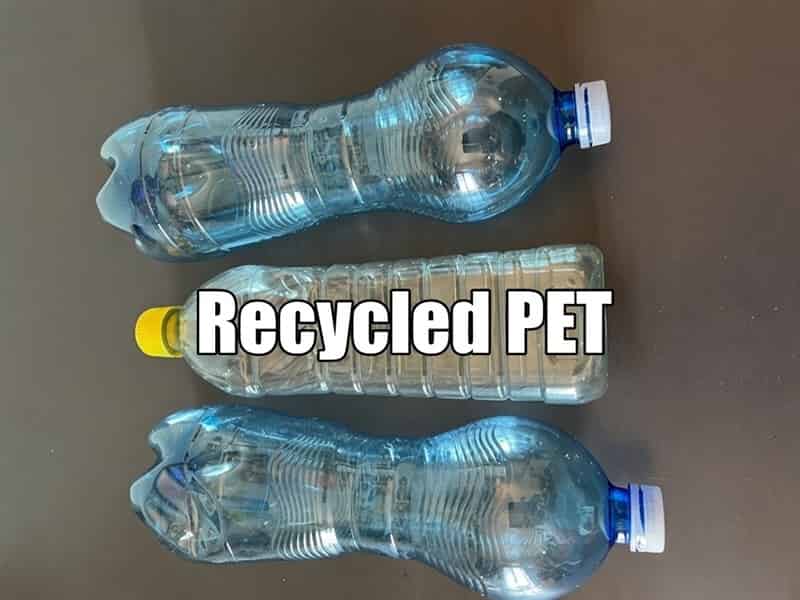
One of the most debated aspects of the Single-Use Plastics Directive update concerns imports. According to the text approved by member states, recycled PET produced outside the EU cannot be counted toward the 25 percent recycled content requirement for PET beverage bottles until 21 November 2027.
Importantly, the updated rules clarify that all stages of the recycling chain must take place within the EU during this transition period. This means that even partial processing outside the bloc would disqualify recycled material from being counted under the directive.
After November 2027, imports from OECD countries are expected to become eligible, assuming compliance with EU standards. Until then, the restriction is designed to support the development and competitiveness of Europe’s domestic recycling industry.
Diverging reactions from market participants
The market response to the Single-Use Plastics Directive update has been mixed. Supporters of the import restriction argue that it will help stabilise the European PET recycling market, which has struggled with high collection and processing costs.
In Europe, waste collection and sorting costs are significantly higher than in many non-EU countries. By limiting access to cheaper imported recyclates, proponents believe the updated directive gives European recyclers time to scale operations, secure investments, and improve efficiency.
Others in the industry are less enthusiastic. Critics warn that excluding imported recycled plastics could reduce supply, increase costs for brand owners, and make it more difficult to meet sustainability commitments. They argue that a level playing field between EU and non-EU recyclers is essential for fair competition and for ensuring access to sufficient volumes of high-quality recycled materials.
Limited short-term impact, strong long-term signal
Some industry participants suggest that the immediate impact of the Single-Use Plastics Directive update may be limited, as reporting obligations apply to EU member states rather than individual companies. However, the longer-term implications are widely considered significant.
By providing regulatory clarity on mass balance and chemical recycling, the directive reduces policy risk for investors and project developers. This clarity is expected to accelerate investment in chemical recycling infrastructure, particularly for technologies capable of producing food-contact compliant recycled plastics.
For the chemical recycling sector, the update represents formal recognition within EU law, helping to move projects from pilot and demonstration phases toward commercial scale.
Implications for future EU plastics regulation
The Single-Use Plastics Directive update is also likely to influence future EU legislation, particularly the Packaging and Packaging Waste Regulation, which is expected to introduce broader recycled content requirements by 2030.
While the Packaging and Packaging Waste Regulation will require its own implementing measures, many stakeholders expect the mass balance framework agreed under the Single-Use Plastics Directive to serve as an important precedent. If replicated, it could harmonise recycled content accounting across multiple EU regulatory frameworks.
Environmental criticism and ongoing debate
Environmental organisations have expressed strong reservations about the updated rules. Critics argue that mass balance approaches, especially those allowing fuel-use exemptions, risk overstating recycled content and weakening the integrity of circular economy claims.
From this perspective, there is concern that chemical recycling could divert plastic waste toward energy recovery rather than true material reuse, undermining waste prevention and reduction objectives embedded in EU environmental policy.
This criticism underscores the broader debate over the role of chemical recycling in Europe’s circular economy, balancing industrial scalability with environmental credibility.
A defining moment for the Single-Use Plastics Directive
Despite the controversy, the updated implementing decision marks a defining moment for the Single-Use Plastics Directive. It reflects a pragmatic policy approach that seeks to protect European recycling markets, provide regulatory certainty, and integrate emerging technologies into the EU’s sustainability framework.
As Europe moves toward stricter recycled content targets and more comprehensive packaging regulations, the Single-Use Plastics Directive update is likely to shape the trajectory of chemical recycling and circular plastics for years to come.
More…