Oil Prices and the Iran War: Brent Near $76
Oil prices Iran war
Oil Prices and the Iran War: Why Brent Near $76 and WTI Near $72 Remain Vulnerable
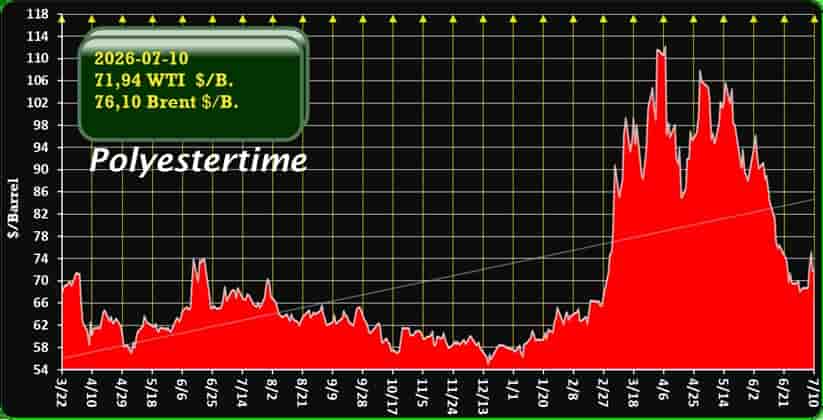
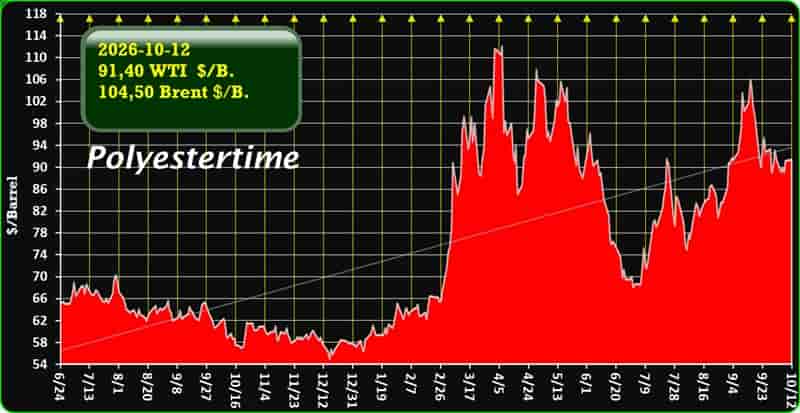
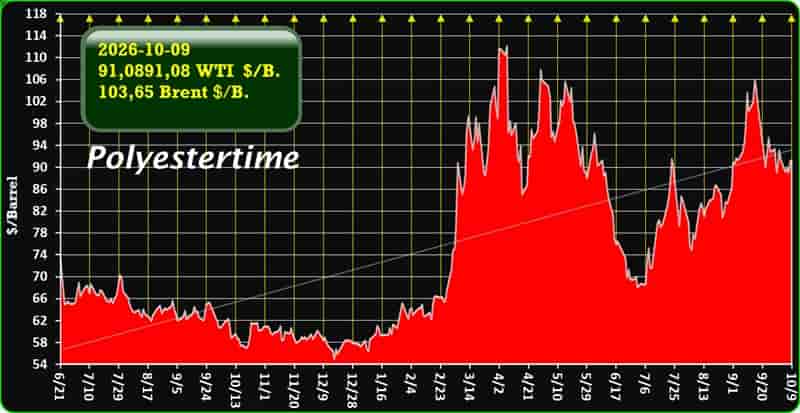
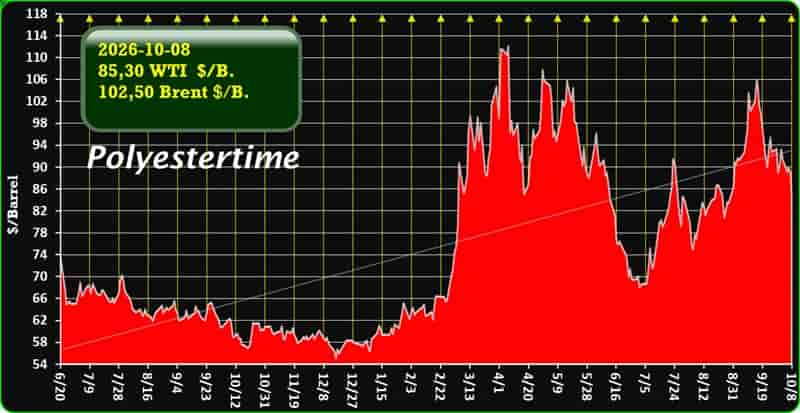
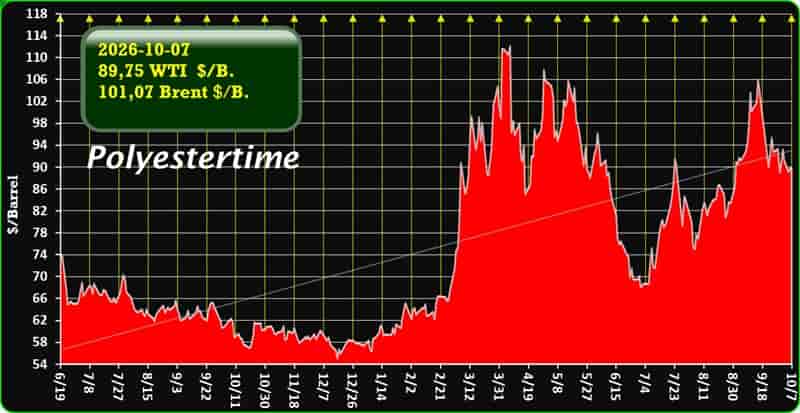
Brent crude is trading at approximately $76 a barrel, while US West Texas Intermediate, or WTI, is near $72 a barrel at the time of writing. These levels suggest that the market has given back part of its earlier geopolitical surge, but they do not indicate that the danger has passed.
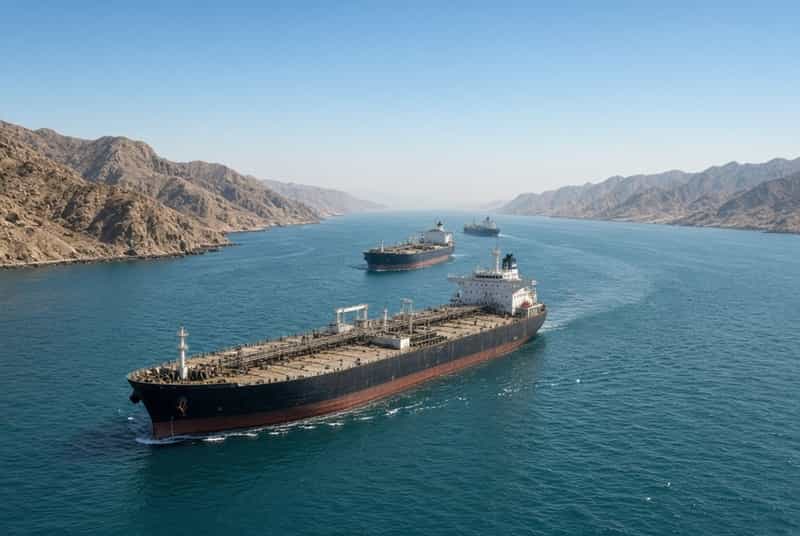
The renewed conflict between the United States and Iran has returned the Strait of Hormuz to the centre of the oil market. Traders are attempting to price two opposing possibilities: another serious disruption to Middle Eastern exports, or a diplomatic agreement that allows shipping and production to recover.
Key takeaways
-
Brent is near $76 a barrel and WTI is close to $72, although prices remain highly volatile.
-
Renewed US strikes and Iranian retaliation have weakened confidence in the ceasefire.
-
The Strait of Hormuz remains the most important immediate risk to global oil supplies.
-
Diplomatic and technical talks could limit the price increase, but their outcome remains uncertain.
-
Oil could rise sharply if tanker traffic is interrupted again, while credible de-escalation could remove part of the geopolitical premium.
Why oil prices are still carrying a war premium
Oil prices normally reflect expected supply, consumption, inventories and production policy. During a military confrontation involving Iran, however, the market must also account for the possibility that a major export route could become unsafe or inaccessible.
The latest escalation followed attacks on merchant shipping near the Strait of Hormuz and renewed US airstrikes against Iranian targets. Iran subsequently launched retaliatory attacks against US-aligned Gulf states, including Bahrain, Kuwait and Qatar, according to Associated Press reporting. Negotiations have not formally disappeared, but the renewed fighting has severely damaged the fragile ceasefire.
The current Brent and WTI prices should therefore be viewed as a balance between continuing geopolitical danger and expectations that the disruption may remain contained.
Why the Strait of Hormuz matters
The Strait of Hormuz connects the Persian Gulf with the Gulf of Oman and the Arabian Sea. It is the principal maritime outlet for several of the world’s largest oil and gas exporters.
Approximately 20 million barrels a day of crude oil and petroleum products passed through the strait in 2025, representing about one-quarter of global seaborne oil trade, according to the International Energy Agency.
This concentration creates a major vulnerability. A sustained closure would affect far more than Iranian exports. Shipments from Saudi Arabia, Iraq, Kuwait, Qatar and the United Arab Emirates could also face delays, higher costs or physical interruption.
Some oil can bypass Hormuz through pipelines. However, the US Energy Information Administration estimates that only about 2.6 million barrels a day of unused Saudi and Emirati pipeline capacity may be available as an alternative route. That is significant, but insufficient to replace all normal maritime flows through the strait.
What is keeping Brent near $76 rather than above $100?
The current price indicates that traders are not assuming a complete and prolonged closure of the Strait of Hormuz.
Several factors are limiting the increase.
First, technical discussions between the United States and Iran have continued despite the renewed attacks. Diplomacy may therefore still produce arrangements covering shipping security, Iranian oil traffic and the wider conflict.
Second, governments and energy companies have adapted since the conflict began. Alternative supplies, emergency inventories, pipeline routes and higher exports from producers outside the affected area have reduced some of the immediate pressure.
US petroleum exports, for example, reached a record 13.6 million barrels a day in April as buyers sought alternatives to disrupted Middle Eastern supplies, according to the EIA.
Third, high energy costs have weakened consumption. The IEA estimates that global oil demand fell by almost five million barrels a day year over year during the second quarter of 2026 and could decline by an average of 1.1 million barrels a day across the full year.
This demand destruction acts as a brake on prices. Expensive fuel can reduce driving, aviation activity, industrial consumption and economic growth, eventually limiting how far crude can rise. oil prices Iran war
What could push oil prices higher?
The greatest upside risk would be another material interruption to shipping through the Strait of Hormuz.
Prices could rise quickly if:
-
tankers are attacked or seized;
-
insurers withdraw coverage from the region;
-
shipping companies suspend transits;
-
ports, terminals or pipelines are damaged;
-
Iranian or Gulf production is shut down;
-
the United States expands its military campaign;
-
negotiations break down completely.
The insurance issue is particularly important. The strait does not need to be formally closed for oil movements to fall. Tanker owners may avoid the area when crews, vessels and cargoes cannot be insured at commercially acceptable rates.
A disruption lasting several weeks would have a greater effect than a brief incident. Physical shortages, rather than headlines alone, would be more likely to move Brent decisively above its current range.
What could send prices lower?
A credible and enforceable diplomatic agreement would probably remove part of the war premium.
The EIA’s current outlook assumes that the June 18 memorandum of understanding between the United States and Iran will support increased traffic through the strait and a gradual recovery in production. It expects most affected crude output to approach pre-conflict levels by the end of 2026, with the majority of shut-in production returning by the first quarter of 2027.
That forecast is highly sensitive to events. Renewed hostilities show that a political agreement does not automatically guarantee secure tanker traffic.
Nevertheless, oil prices could decline if shipping volumes recover consistently, attacks stop, insurance costs fall and independent data confirm that production is returning.
A broader global economic slowdown would add further downward pressure by weakening demand.
Brent versus WTI: why the gap matters
Brent is the principal international benchmark and is more directly exposed to disruptions affecting Middle Eastern and seaborne crude.
WTI reflects conditions in the United States, particularly around the Cushing, Oklahoma delivery hub. Although WTI responds strongly to international events, rising US production and domestic inventories can sometimes soften its reaction.
With Brent near $76 and WTI near $72, the approximately $4 spread reflects Brent’s greater exposure to international shipping risk, differences in crude quality and regional transportation conditions.
A widening spread could indicate that overseas supplies are becoming more difficult or expensive to obtain. A narrowing spread could suggest easing international pressure or tighter conditions inside the United States.
What higher oil prices mean for consumers and businesses
Crude oil prices do not pass through to consumers immediately or uniformly. Exchange rates, refining margins, taxes, transportation costs and local competition also influence retail prices.
Even so, persistently expensive oil can eventually produce:
-
higher petrol and diesel prices;
-
more expensive air travel and freight transport;
-
increased manufacturing and agricultural costs;
-
renewed inflationary pressure;
-
weaker consumer spending;
-
greater pressure on energy-importing economies.
European and Asian countries are particularly sensitive because many depend heavily on imported oil and gas. The effect may be amplified when the US dollar strengthens, since international crude is generally priced in dollars.
Oil price outlook: three possible scenarios
1. Controlled escalation
Under this scenario, military exchanges continue but major export infrastructure and tanker traffic remain largely operational.
Brent could remain volatile around the mid-$70s to low-$80s, with WTI maintaining a discount. Prices would react strongly to individual attacks but retreat when no lasting supply loss is confirmed.
2. Diplomatic de-escalation
A verifiable ceasefire, safer tanker movements and recovering production could reduce the geopolitical premium.
Brent could move back toward levels determined mainly by demand, inventories and non-OPEC supply. The decline could be rapid if speculative positions are unwound.
3. Serious Hormuz disruption
A sustained fall in tanker traffic or significant damage to regional production would create the most bullish scenario.
Prices could rise sharply as refiners compete for alternative barrels. The scale of the increase would depend on the duration of the disruption, emergency stock releases, spare production capacity and the response of major consuming countries.
These scenarios are not forecasts. They are a framework for understanding why oil prices may move abruptly in either direction.
The bottom line
Brent near $76 and WTI near $72 do not mean that the oil market has dismissed the US–Iran conflict. They indicate that traders are assigning a meaningful probability to disruption while still expecting diplomacy, alternative supplies and weaker demand to prevent the worst-case scenario.
The decisive variable is no longer military rhetoric alone. It is whether physical oil and tanker traffic can continue moving safely through the Strait of Hormuz.
Until shipping security improves and the ceasefire becomes credible, oil prices are likely to remain vulnerable to sudden increases, rapid reversals and unusually high intraday volatility.
Frequently asked questions
Why does the Iran war affect oil prices?
Iran borders the Strait of Hormuz, a route used for roughly 20 million barrels a day of crude oil and petroleum products. Fighting can threaten production, ports, tankers and insurance coverage.
Why is Brent more expensive than WTI?
Brent is more closely linked to international and seaborne oil supplies. WTI is influenced more directly by US production, storage and pipeline conditions.
Could oil return above $100 a barrel?
It is possible during a prolonged and substantial supply interruption. A temporary attack without sustained physical losses would be less likely to keep prices above that level.
Will petrol prices rise immediately?
Not necessarily. Retail prices also depend on refining costs, inventories, taxes, exchange rates and local market conditions. A sustained crude increase is more important than a brief spike.
What should investors monitor?
The most useful indicators are verified tanker movements, shipping-insurance costs, port operations, production outages, official negotiations, inventory reports and emergency-stock decisions.
Sources and methodology
This analysis was updated on July 10, 2026. Price levels are approximate snapshots and may change rapidly. The article draws on reporting from the Associated Press and market data supplied for the article, together with official information from the US Energy Information Administration, the International Energy Agency and Google Search Central.
The scenarios presented are analytical possibilities, not investment advice or guaranteed price forecasts.
Oil Prices Iran: Why Brent and WTI Are Rising Again
More…