Oil Prices Iran: Why Brent and WTI Are Rising Again
Oil Prices Iran: Why Brent and WTI Are Rising Again
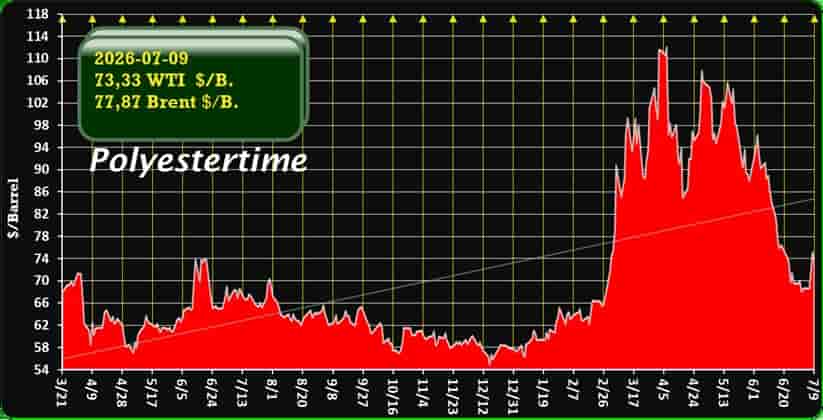
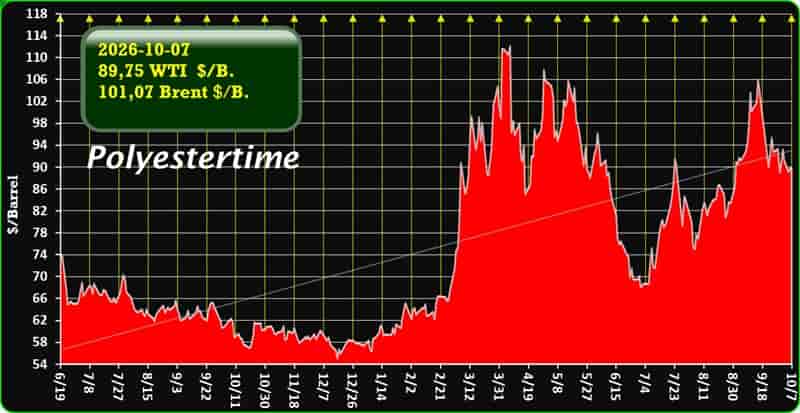
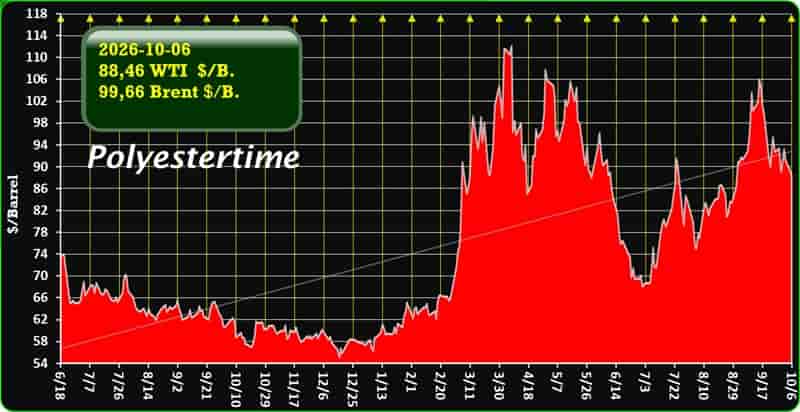
Oil prices are back in focus as the conflict between the United States and Iran threatens to disrupt one of the world’s most sensitive energy corridors. Brent crude is currently trading around $78 per barrel, while West Texas Intermediate, or WTI, is around $73 per barrel.
Those levels are not extreme compared with the highest points reached earlier in the conflict, but they show that the market is once again adding a geopolitical risk premium. Traders are no longer pricing oil only on supply, demand and inventories. They are also pricing the possibility that shipping through the Persian Gulf could become more dangerous, more expensive or temporarily restricted.
Why oil prices are rising now
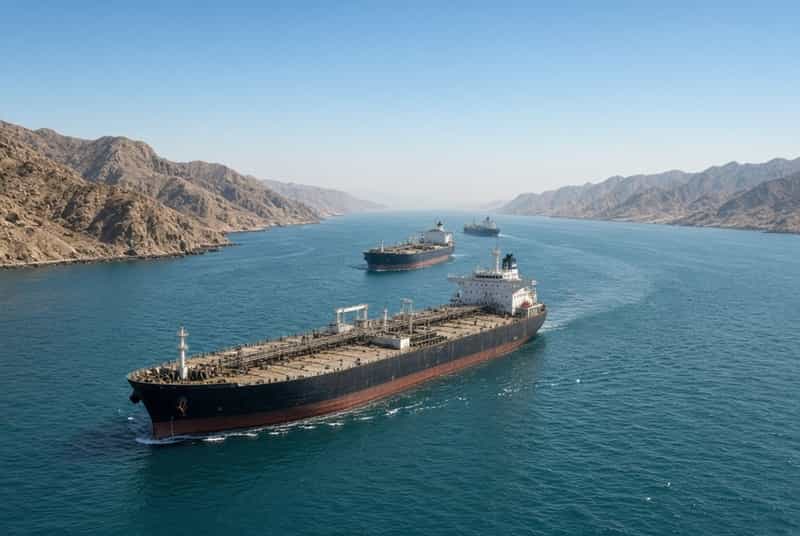
The immediate reason is renewed instability around the Strait of Hormuz. Recent reports from the Associated Press say U.S.-Iran tensions have escalated again after attacks on commercial vessels and renewed military action, raising fears that tanker traffic and energy exports could be disrupted. The Strait of Hormuz remains one of the most important transit points for global oil and gas flows, so even a limited interruption can move prices quickly.
This is why Brent and WTI have moved higher despite a broader market backdrop that is not uniformly bullish. Brent near $78 and WTI near $73 suggest a market that is nervous, but not yet pricing a full-scale, prolonged shutdown of Gulf energy exports.
The Strait of Hormuz is the key risk
The Strait of Hormuz is the central issue for oil markets because it connects Persian Gulf producers with global buyers. When shipping through the strait is perceived as safe, oil can flow more normally and prices tend to ease. When tanker traffic becomes uncertain, insurance costs, freight costs and delivery risks rise.
Earlier in the conflict, the strait’s closure created major volatility. The U.S. Energy Information Administration said the closure of the strait significantly disrupted global oil flows and contributed to sharp price swings. In its latest Short-Term Energy Outlook, the EIA also said that expectations of increased production after the reopening of the strait helped reduce its Brent price forecast for the third quarter.
That explains the current tension in the market. On one side, oil prices had been falling as traders expected more barrels to return to the market. On the other side, renewed attacks and military action are forcing traders to rebuild part of the war premium.
Brent near $78 and WTI near $73: what the spread tells us
Brent usually trades above WTI because Brent reflects the global seaborne market, while WTI is more closely linked to U.S. crude supply and infrastructure. In a Middle East crisis, Brent often reacts more directly because the risk is tied to international shipping routes.
With Brent around $78 and WTI around $73, the market is showing a moderate geopolitical premium. The spread is not unusual, but the direction matters. If the Strait of Hormuz becomes less secure, Brent could stay more sensitive than WTI because the threat is concentrated in global maritime supply.
For consumers, the key question is whether higher crude prices feed into gasoline, diesel and jet fuel prices. The Associated Press reported that anxiety over fuel prices has returned as the ceasefire weakens and shipping risks rise.
Why prices are not higher
Oil prices are rising, but they are not exploding. There are three main reasons.
First, the market still expects some oil production and shipping to continue. The EIA recently increased its expectations for global oil production after the reopening of the Strait of Hormuz, assuming that most crude production will return close to pre-conflict averages by the end of the year and that much of the shut-in production will return by the first quarter of 2027.
Second, demand has weakened. The International Energy Agency has described the war as a major shock to the global oil market, with demand destruction spreading as higher prices, disruption and economic pressure affect fuel use.
Third, traders are waiting for confirmation. Oil markets react fast to headlines, but they usually need evidence of sustained physical disruption before pricing a much larger move. A temporary spike in risk is different from a prolonged loss of supply.
What could push oil prices higher
Oil prices could rise further if tanker traffic through the Strait of Hormuz falls sharply, if more commercial ships are attacked, or if the U.S. and Iran move from limited retaliation into a wider military confrontation.
Prices could also rise if sanctions reduce Iranian exports more severely than expected. Reports say the U.S. has revoked Iran’s ability to openly sell crude oil in the global market as part of its response to renewed attacks. That increases uncertainty around available supply.
A sustained move above $80 for Brent would likely signal that traders are becoming more worried about real supply disruption rather than temporary headline risk. A move toward the mid-$80s or higher would probably require evidence that flows through the Gulf are materially reduced.
What could bring prices back down
Prices could fall again if shipping traffic stabilizes, if U.S.-Iran negotiations resume, or if data confirms that global supply is returning faster than expected.
The EIA’s latest outlook points to lower Brent prices than previously forecast because it expects supply to recover and inventories to improve. Its forecast puts Brent at an average of $74 per barrel in the third quarter of 2026 and $65 per barrel in 2027, assuming no major renewed disruption.
In other words, today’s Brent price near $78 is slightly above that third-quarter average forecast, reflecting the latest geopolitical shock. If the shock fades, the market could return to focusing on supply recovery and softer demand. oil prices Iran
What investors and consumers should watch next
The most important indicator is not just the oil price itself. It is the flow of ships through the Strait of Hormuz. If tankers continue moving, the market may calm down. If shipping stops or insurance costs surge, prices could move higher quickly.
The second indicator is the diplomatic channel. Any credible sign of renewed negotiations could remove some of the risk premium. Any sign that the ceasefire has fully collapsed could do the opposite.
The third indicator is official inventory and production data. EIA updates, IEA oil market reports and verified shipping data will matter more than rumors or social media claims.
Bottom line
Oil prices are rising because the U.S.-Iran conflict has again placed the Strait of Hormuz at the center of global energy risk. Brent near $78 and WTI near $73 show that traders are concerned, but not yet pricing the worst-case scenario.
For now, the market is balanced between two forces: geopolitical fear and recovering supply. If the conflict disrupts tanker traffic, Brent could move above $80 again. If shipping stabilizes and production continues to recover, prices may ease back toward the EIA’s lower third-quarter forecast.
The situation remains fluid. For readers, businesses and investors, the safest conclusion is clear: oil prices are being driven less by ordinary market fundamentals and more by the security of one narrow but vital waterway.
Oil Prices Iran: Why Brent and WTI Are Rising Again
More…