INEOS and Recuro Plan Advanced Recycling Facility in Norway
Advanced recycling Norway
INEOS and Recuro Plan Advanced Recycling Facility in Norway
INEOS and Norwegian recycler Recuro have signed a memorandum of understanding to develop an advanced recycling facility at INEOS’ Bamble polymer site in Norway. The proposed project, called Full Circle, is designed to process up to 33,000 tonnes of end-of-life plastic waste each year.
The agreement is not the same as a final investment decision or a completed plant. It is an MoU, meaning the companies have formally agreed to work toward the project. Still, the announcement is significant because it links plastic-waste recovery, renewable energy and existing petrochemical infrastructure in one industrial location.
Why the Bamble project matters
The Full Circle project targets plastic waste that is difficult to recycle mechanically. Instead of sending this material to landfill or incineration, the facility would use advanced pyrolysis technology to convert it into recycled feedstock.
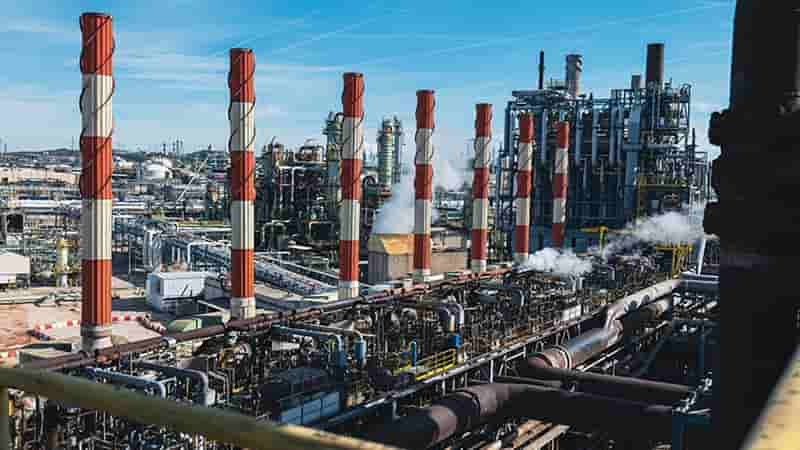
That feedstock would then be used by INEOS to produce recycled ethylene at its Rafnes cracker. From there, the nearby Bamble plant could manufacture recycled polyethylene with virgin-quality performance for demanding uses such as food and medical packaging.
This matters because packaging producers in Europe are under growing pressure to increase recycled content while still meeting strict quality, safety and performance standards.
A renewable-powered recycling model
According to INEOS, the facility would be powered entirely by renewable Norwegian energy. The project is also designed to use existing land, services and industrial infrastructure at the Bamble site.
That approach could reduce both capital intensity and environmental impact compared with building a standalone facility from scratch. Locating the plant close to a steam cracker is also central to the project’s logic, because both oil and gas fractions from pyrolysis can be recovered and reused rather than simply burned for energy.
Recuro describes its broader recycling approach as a way to restore value to plastic waste that would otherwise be incinerated or landfilled, while replacing demand for fossil resources in new plastic production. advanced recycling Norway
How pyrolysis supports circular plastics
Pyrolysis is a chemical recycling process that heats plastic waste in the absence of oxygen. The output can include oil, gas and carbon-rich fractions. In the Full Circle concept, the aim is to keep more of that embedded carbon in circulation.
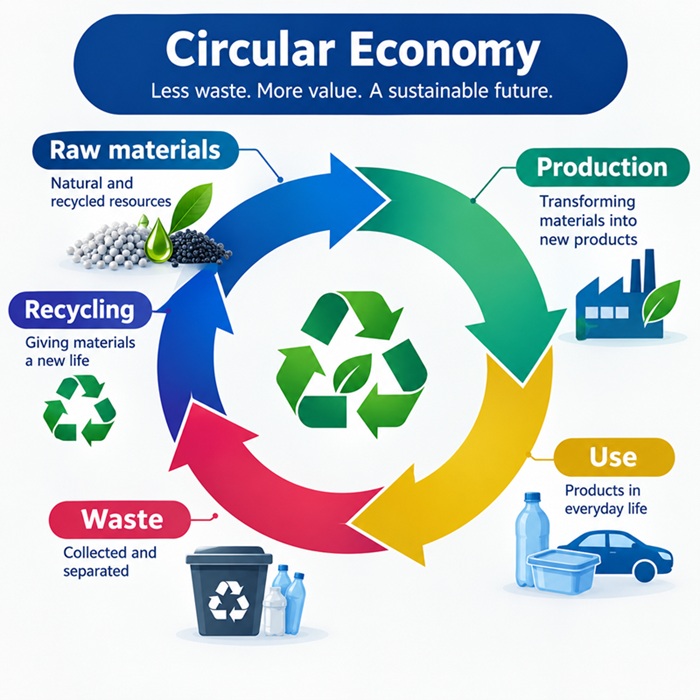
This is important because plastics are carbon-based materials. A circular plastics system does not eliminate carbon; it keeps useful carbon molecules moving through the economy for longer, reducing reliance on new fossil feedstocks.
For applications such as food packaging and medical packaging, this can be especially relevant. These sectors often require materials with high purity, consistent performance and regulatory compliance. Advanced recycling can help supply recycled content for applications where mechanically recycled plastics may not always meet the required specifications.
Connection with EU packaging rules
The timing of the announcement is important. The EU’s Packaging and Packaging Waste Regulation, Regulation (EU) 2025/40, introduces sustainability, labelling, waste-management and recycling-related requirements for packaging across its life cycle. The regulation is intended to prevent unnecessary packaging and support reuse, refill and recycling.
The general application date for many provisions is 12 August 2026, which gives packaging producers, recyclers and material suppliers a limited window to prepare for the new regulatory environment.
For the plastics value chain, projects such as Full Circle could help increase the supply of recycled feedstocks that are suitable for regulated, high-performance packaging markets.
A strategic move for INEOS and Recuro
For INEOS, the project supports its ambition to expand circular plastic production while continuing to serve customers that need reliable, high-quality polyethylene. For Recuro, the agreement marks a step toward becoming a larger player in advanced plastic recycling.
The project also shows how circular-economy infrastructure may develop around existing industrial clusters. Instead of treating recycling as a separate downstream activity, the Full Circle model integrates waste processing, feedstock production and polymer manufacturing within an established petrochemical ecosystem.
What to watch next
The key next steps will be permitting, financing, technology validation and confirmation of the project timeline. Because the announcement is currently an MoU, the market should watch for further details on investment approval, construction dates and expected commissioning.
If developed as planned, the Bamble facility could process up to 33,000 tonnes of plastic waste per year and supply recycled feedstock for new polyethylene production. That would make it a relevant project in Europe’s push to scale circular plastics and meet stricter packaging requirements.
The larger question is whether advanced recycling can scale quickly enough, transparently enough and competitively enough to support Europe’s circular packaging targets. The INEOS-Recuro project is one of the latest examples of how industry is trying to answer that challenge.
2 New Pyrolysis Plants Boost Jobs And Sustainable Recycling Growth
More…