US-Iran War Pushes Oil Prices Higher
US Iran oil prices
US-Iran War Pushes Oil Prices Higher as Hormuz Risks Return
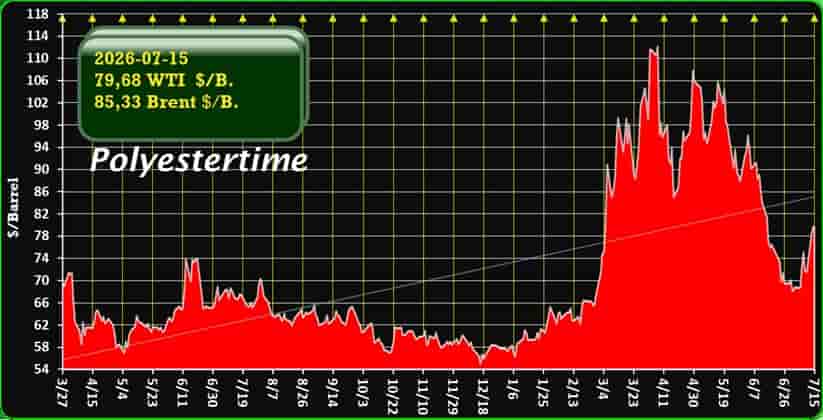
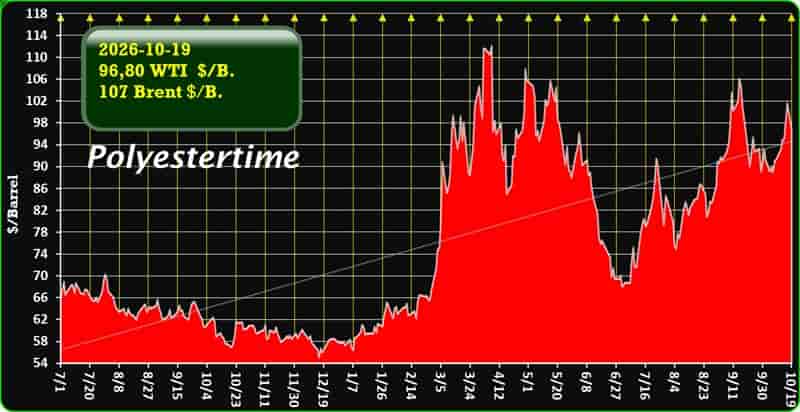
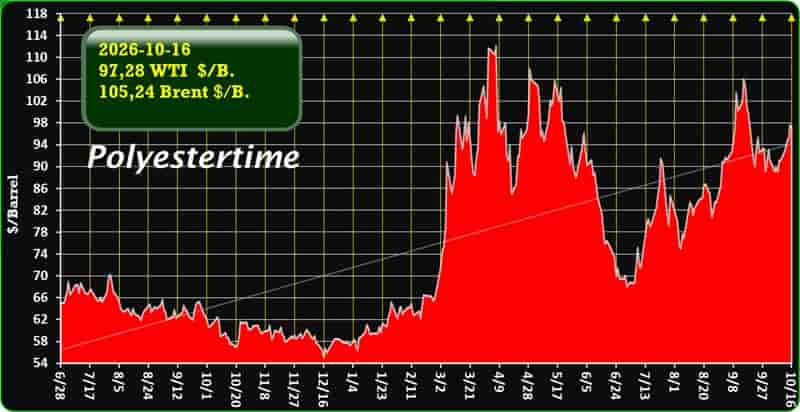
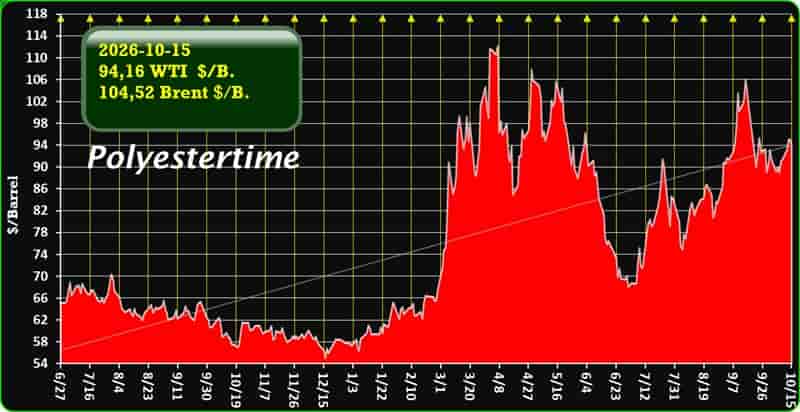
Brent crude is trading at approximately $85–$86 a barrel, while West Texas Intermediate, or WTI, is hovering around $80. The renewed increase reflects growing concern that the US-Iran conflict could once again disrupt oil shipments through the Strait of Hormuz.
The latest price movement is not simply a reaction to military headlines. Traders are attempting to assess whether attacks, blockades and retaliatory measures will materially reduce the amount of crude oil reaching global markets.
That distinction matters. Geopolitical tension can add a temporary risk premium to oil prices, but a prolonged interruption of physical supply could produce a much larger and more persistent shock.
Oil prices rise as the conflict intensifies
Brent recently climbed above $86 a barrel, while WTI moved close to or above $80 during intraday trading. The increase followed renewed US strikes, Iranian retaliation and mounting uncertainty over maritime traffic in and around the Strait of Hormuz.
These levels represent a sharp rebound from early July. US Energy Information Administration data showed Brent falling below $70 a barrel at the beginning of the month, after an interim agreement had temporarily reduced fears of a prolonged supply interruption.
The reversal demonstrates how quickly the market’s outlook can change. Oil traders had begun pricing in improved shipping conditions and recovering supply. Renewed hostilities have forced them to reconsider that assumption.
Why the Strait of Hormuz matters
The Strait of Hormuz is the central source of risk for oil markets. It is the narrow maritime passage linking the Persian Gulf with the Gulf of Oman and international shipping routes.
Oil and liquefied natural gas exports from several major Middle Eastern producers depend on access to this corridor. Even when production facilities remain operational, ships may be delayed or diverted because of military activity, insurance restrictions, damage to vessels or uncertainty over access rules.
The International Energy Agency has warned that disruption to oil and gas flows through the strait, together with attacks on regional energy infrastructure, has major implications for energy security, affordability and the wider global economy.
The market is therefore watching more than the number of missiles or airstrikes. The most important questions concern tanker movements, port operations, insurance availability and the ability of exporters to load and deliver cargoes.
What is supporting Brent near $85
Several factors are helping to keep Brent close to $85–$86 a barrel.
The first is the renewed geopolitical risk premium. Buyers may be willing to pay more for immediately available barrels when future deliveries appear less certain.
The second is the possibility of a direct loss of supply. Iran has threatened wider restrictions on regional energy exports after the United States reimposed pressure on Iranian ports. Additional attacks on ships or energy infrastructure could further limit available supply.
The third is the cost of moving oil. Freight rates and maritime insurance can rise rapidly during a conflict. Those expenses may increase the delivered cost of crude even when the underlying production price is unchanged.
Finally, Brent is the most relevant international benchmark for seaborne crude. It is therefore especially sensitive to risks affecting major shipping routes.
Why WTI is trading below Brent
WTI is trading near $80, several dollars below Brent. The difference reflects the distinct characteristics of the two benchmarks.
WTI is closely linked to the North American market and to the delivery system at Cushing, Oklahoma. Brent has greater exposure to international maritime trade and is more directly affected by disruption to global shipping.
US production and domestic pipeline infrastructure also provide the American market with a degree of insulation. The United States is not immune to an international supply shock, but its physical supply position differs from that of regions that depend heavily on imported Middle Eastern crude.
The Brent-WTI spread can therefore widen when the main threat concerns seaborne supply rather than production inside North America.
A fragile market rather than a permanent shortage
Despite the renewed increase, current prices remain below the extreme levels reached during the most severe phase of the 2026 energy crisis. This indicates that traders are not yet assuming a complete and prolonged shutdown of regional exports.
The market is balancing two opposing forces.
On one side, the conflict creates a credible risk of interrupted shipping, damaged infrastructure and reduced Iranian exports. On the other, weaker demand growth, additional production outside the region and the possible release of emergency stocks could limit the increase.
The EIA’s late-June outlook projected Brent averaging about $74 a barrel in the third quarter of 2026, based partly on expectations of recovering supply and rebuilding inventories. Renewed military escalation now places that forecast under pressure, although the underlying supply-and-demand factors have not disappeared.
This means the market could remain highly volatile. Prices may rise sharply after an attack or threat and then retreat if shipping continues or diplomatic negotiations resume.
Three possible oil-price scenarios
1. Limited escalation
Under the least disruptive scenario, military exchanges continue but commercial shipping remains possible. Tankers face delays and higher costs, yet most export volumes still reach buyers.
In that environment, Brent could retain a geopolitical premium while remaining broadly around current levels. WTI would probably continue to trade at a discount to Brent.
Prices could also retreat quickly if negotiations produce a credible ceasefire or if shipping data confirm that oil flows are recovering.
2. Prolonged disruption
A more serious scenario would involve persistent restrictions on tanker movements, repeated attacks on vessels or sustained disruption at Iranian and Gulf ports.
Brent would be especially exposed because of its relationship with internationally traded crude. Prices could move substantially above current levels as refiners compete for replacement supplies from other regions.
The size of the increase would depend on how many barrels were removed from the market, how long the disruption lasted and how quickly other producers responded.
3. Major regional supply shock
The highest-risk scenario would be a broad interruption affecting several Gulf exporters or critical energy infrastructure.
Such an event could create shortages of particular crude grades, trigger emergency stock releases and place intense pressure on governments to protect consumers.
It could also have consequences beyond oil. Natural gas, shipping, aviation, petrochemicals and electricity markets could all be affected.
This remains a risk scenario rather than the market’s central assumption. Current prices near $85 for Brent and $80 for WTI suggest that traders are concerned, but they are not yet pricing in the complete loss of Gulf exports.
Effects on inflation and consumers
Higher crude prices eventually affect fuel, transportation and manufacturing costs, although the transmission is neither immediate nor uniform.
Refinery capacity, fuel inventories, taxes, exchange rates and regional demand all influence the final price paid by consumers. A rise in crude oil does not translate mechanically into an identical increase at petrol stations.
Nevertheless, a sustained period of Brent above $85 could slow the decline in inflation. Airlines, logistics companies and energy-intensive manufacturers may also face higher operating expenses.
Central banks would then have to distinguish between a temporary energy shock and a broader increase in underlying inflation. That task becomes more difficult if higher transport and production costs spread across the economy. US Iran oil prices
What oil-market participants should monitor
The most useful indicators are those that show whether the conflict is actually changing physical supply.
Tanker traffic through the Strait of Hormuz is critical. A decline in completed journeys would be more consequential than political statements alone.
Export volumes from Iran and neighbouring Gulf producers should also be monitored, together with reports of damage to terminals, pipelines, refineries and storage facilities.
Other important indicators include maritime insurance costs, freight rates, emergency stock decisions, refinery purchasing and changes in production by countries outside the conflict zone.
Diplomatic developments remain equally important. The June interim agreement previously helped push prices lower by raising expectations that the strait would reopen and restrictions on Iranian oil traffic would ease.
The outlook for Brent and WTI
In the immediate term, US Iran oil prices are likely to remain driven by security developments around the Strait of Hormuz.
Brent may remain more sensitive than WTI because the conflict directly threatens internationally shipped crude. However, both benchmarks could move rapidly in either direction.
A verified improvement in tanker traffic, a durable ceasefire or a relaxation of port restrictions could remove part of the geopolitical premium. Conversely, confirmed supply losses or wider attacks on regional energy infrastructure could send prices significantly higher.
For now, Brent near $85–$86 and WTI near $80 reflect a market caught between two competing assessments: the risk of a major supply shock and the possibility that the disruption will remain temporary.
Key takeaway
Oil prices have risen because the US-Iran conflict once again threatens the security of one of the world’s most important energy corridors.
The decisive issue is not whether tensions remain high, but whether the conflict causes a sustained reduction in physical oil exports. Until that question is resolved, Brent and WTI are likely to remain volatile, highly sensitive to breaking news and vulnerable to sudden changes in market sentiment.
Prices and conflict developments in this article are current as of July 15, 2026. Crude oil quotations can change continuously during market hours.
Iran War Oil Prices: Brent Near $85 as Hormuz Risks Rise
More…