Carbios Pushes Back China PET Biorecycling Plant to 2028 as Wankai Investment Timeline Changes
Carbios Delays China PET Biorecycling Plant to 2028 as Wankai Postpones €5 Million Investment
Carbios PET biorecycling plant China
Carbios Delays China PET Biorecycling Plant Launch to H1 2028
Carbios has announced a revised timeline for its landmark PET biorecycling project in China, extending the expected commissioning date of the facility to the first half of 2028. The project, developed in partnership with Wankai New Materials, remains one of the most closely watched initiatives in the global recycling industry due to its use of enzymatic recycling technology.
Key Points
- Carbios has postponed the startup of its first Chinese PET biorecycling plant to H1 2028.
- The facility is being developed in Haining, Zhejiang Province, with Wankai New Materials.
- The plant is designed to process 50,000 tonnes of PET waste annually.
- Wankai’s planned €5 million capital investment in Carbios has been delayed until no later than December 31, 2026.
- Carbios reports a cash position of approximately €59 million, providing financial visibility beyond the next 12 months.
Why the Project Timeline Has Changed
According to Carbios, the delay is linked to additional engineering and technical work required to adapt its enzymatic recycling process to the specific characteristics of the Chinese site.
While preparatory activities continue, including project coordination and validation of local PET waste streams, the company believes more development work is necessary before the plant can enter commercial operation. The revised schedule reflects the challenges often associated with scaling breakthrough recycling technologies from demonstration level to industrial deployment.
A Strategic Facility for Asia’s Recycling Market
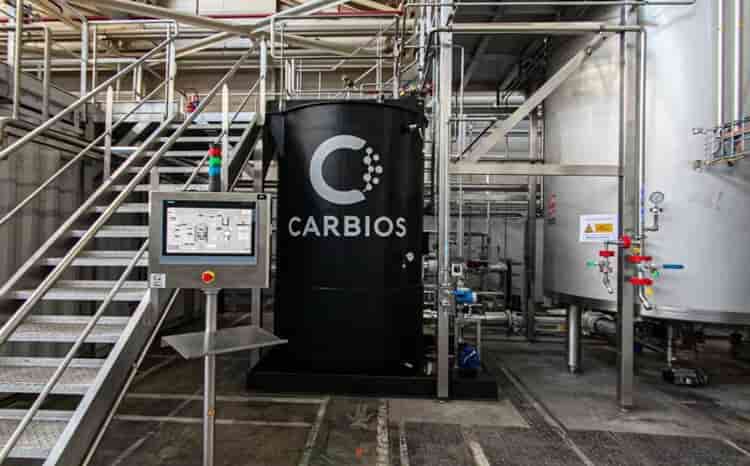
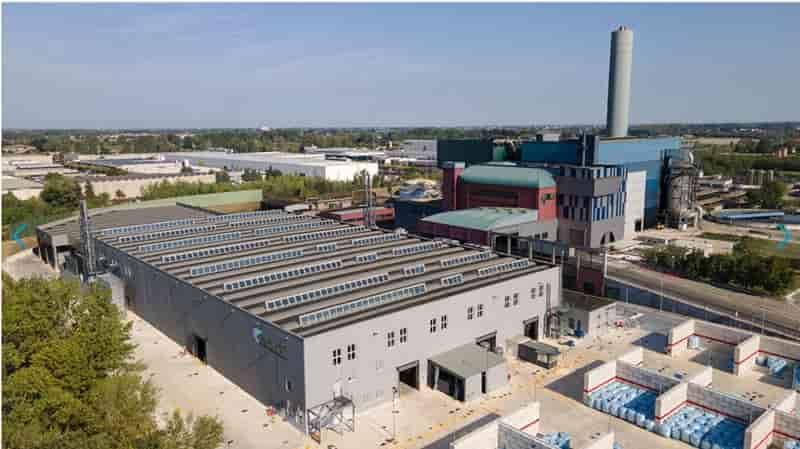
The Haining facility is expected to become China’s first industrial-scale PET biorecycling plant using Carbios’ proprietary enzyme-based technology.
Once operational, the plant will have the capacity to process up to 50,000 tonnes of PET waste annually. The project is viewed as a critical step in expanding advanced recycling solutions across Asia, a region that represents one of the world’s largest markets for PET production and consumption.
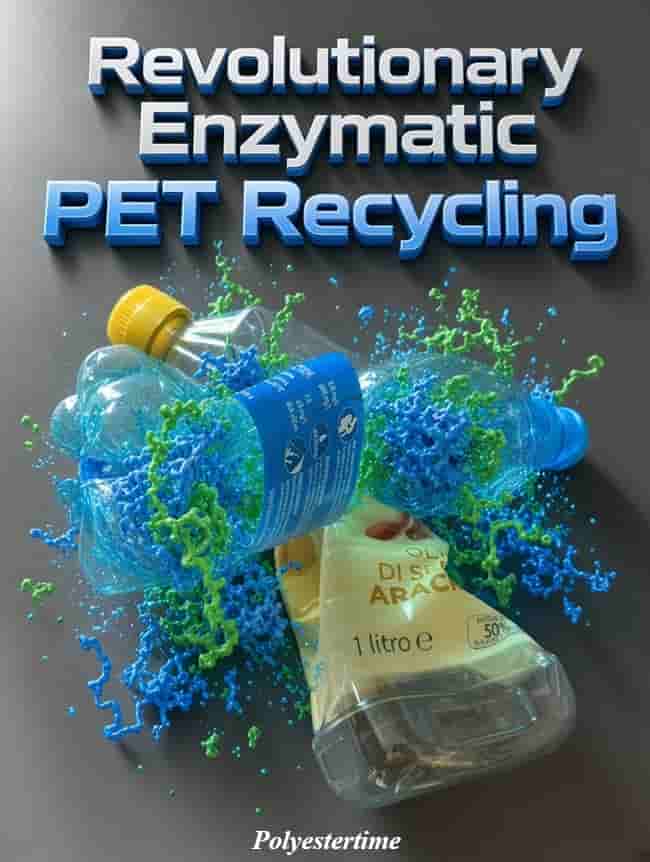
Industry analysts continue to see the Chinese project as an important test case for the broader commercialization of enzymatic recycling, which aims to convert PET waste back into high-quality raw materials suitable for reuse in packaging and textiles. Carbios PET biorecycling plant China
Wankai Investment Postponed but Partnership Remains Intact
Alongside the revised construction schedule, Carbios and Wankai have mutually agreed to postpone a planned €5 million equity investment.
The investment, originally expected during the first half of 2026, is now scheduled to be completed by the end of December 2026, subject to the necessary regulatory and administrative approvals in China. Despite the delay, both companies reaffirmed their commitment to the long-term development of PET biorecycling capacity in Asia.
The partnership is strategically significant because Wankai is one of the major players in the PET sector and has previously outlined ambitions to support large-scale deployment of Carbios’ technology throughout the region.
Financial Position Provides Stability
Although the revised timeline may disappoint investors hoping for a faster rollout, Carbios emphasized that its financial position remains solid.
The company closed fiscal year 2025 with approximately €59 million in cash at group level, including subsidiaries. Management stated that this level of liquidity is sufficient to support operating activities well beyond the next year while continuing to advance strategic projects.
This financial flexibility is particularly important as Carbios continues investing in the industrialization of its recycling technologies and expands partnerships in Europe and Asia.
What This Means for the PET Recycling Industry
The postponement highlights a reality often seen in emerging clean-tech sectors: industrial-scale deployment can take longer than initially anticipated.
However, the continued progress of the Carbios-Wankai collaboration suggests that interest in advanced PET recycling remains strong. As regulators, consumer brands and manufacturers seek solutions to reduce plastic waste and increase recycled content, technologies capable of producing high-quality recycled PET at scale could play a growing role in the circular economy.
If successfully commissioned in 2028, the Haining plant could become a major reference point for future enzymatic recycling projects across Asia and other global markets.
Conclusion
Carbios’ decision to move the launch of its Chinese PET biorecycling facility to H1 2028 reflects the technical complexity of bringing innovative recycling technologies to industrial scale. While the delay also affects the timing of Wankai’s planned investment, both companies continue to advance the project. Backed by a strong cash position and a long-term growth strategy, Carbios remains focused on establishing enzymatic PET recycling as a scalable solution for the global circular plastics economy.
PET Recycling Market Crisis Exposes Gap Between Sustainability Goals and Economic Reality
More…