Oil Prices Near $97: How the US-Iran Conflict Is Impacting Brent, WTI and Global Markets
Oil Prices Near $97 as US-Iran Conflict Raises Fears of Global Supply Disruptions
Oil Prices and US-Iran War
Oil Prices Hold Near $97 as the US-Iran Conflict Continues to Influence Global Markets
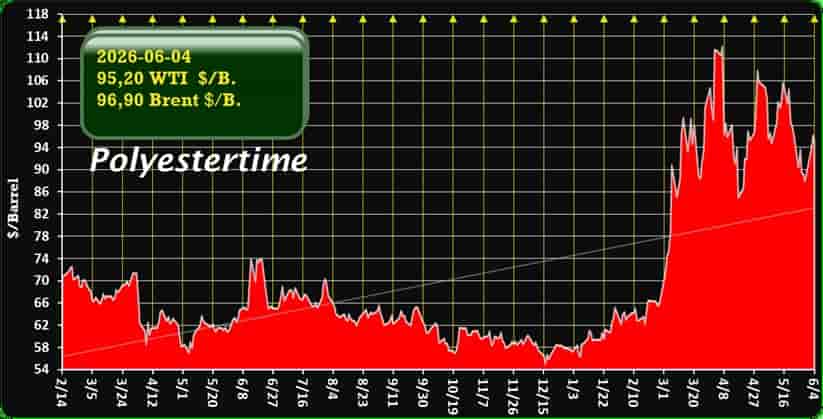
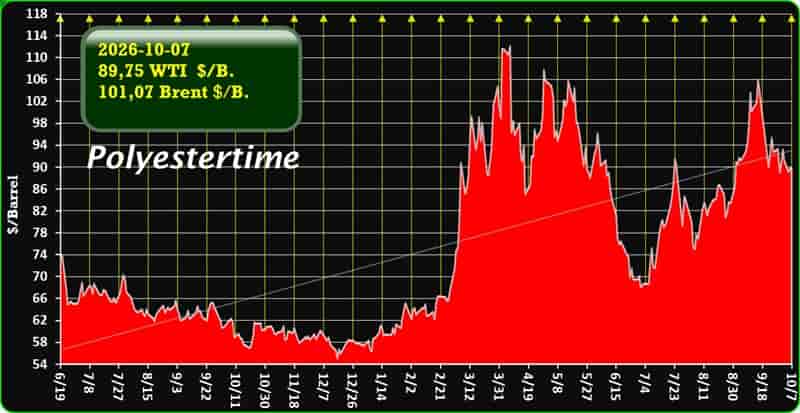
Brent crude remains close to $97 per barrel while WTI trades near $95, reflecting persistent concerns about supply disruptions and geopolitical risks in the Middle East.
Key Takeaways
- Brent crude is trading around $97 per barrel.
- WTI crude is trading near $95 per barrel.
- The ongoing US-Iran conflict continues to create uncertainty in global energy markets.
- The Strait of Hormuz remains one of the most important factors affecting oil prices.
- Strong demand and declining inventories are adding support to crude prices.
- Markets remain highly sensitive to any signs of escalation or diplomatic progress.
Why Oil Prices Are Rising Again
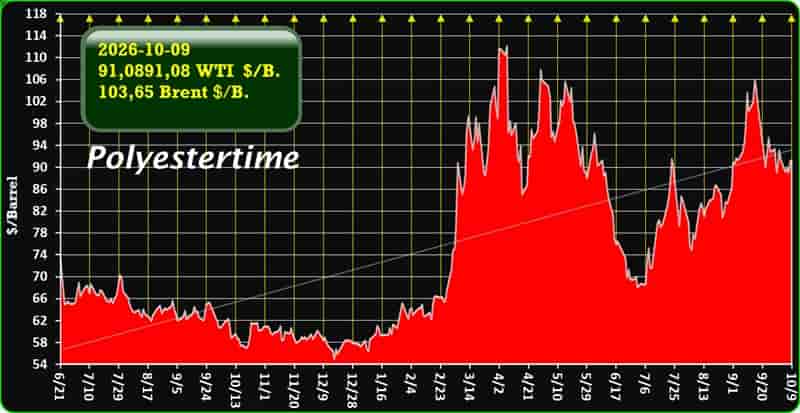
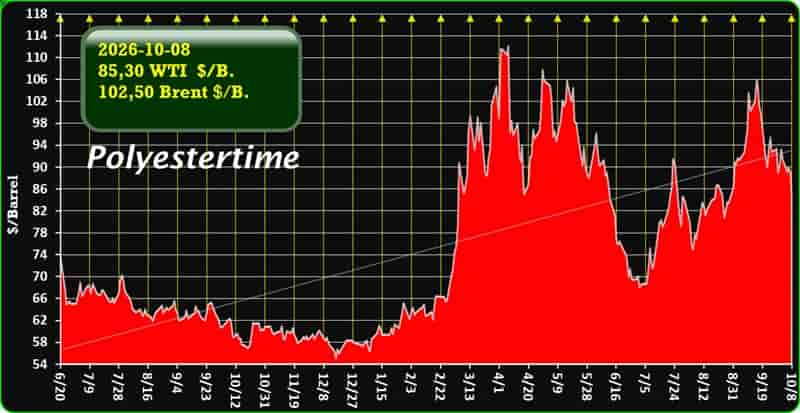
Oil prices have moved higher in recent days as investors react to renewed tensions surrounding the ongoing conflict involving the United States and Iran. Brent crude, the global benchmark, is trading close to $97 per barrel, while West Texas Intermediate (WTI), the main US benchmark, is near $95 per barrel. Recent market data shows that renewed military activity and concerns about shipping routes have increased the geopolitical risk premium built into oil prices.
The rise in prices reflects fears that disruptions to global oil supply could persist longer than previously expected. Traders are particularly focused on the Middle East because the region accounts for a significant share of global oil production and exports.
The Strategic Importance of the Strait of Hormuz
The Strait of Hormuz remains at the center of the market’s attention.
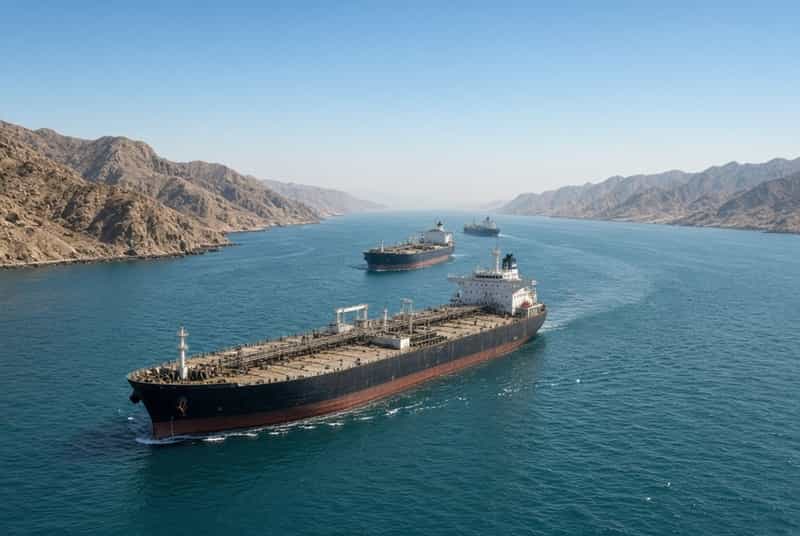
This narrow waterway connects the Persian Gulf to international shipping lanes and is responsible for transporting a substantial portion of the world’s seaborne oil. Any disruption to traffic through the strait can immediately affect global energy prices.
Recent reports indicate that shipping activity remains constrained, with some vessels using alternative arrangements and reduced visibility in shipping data. Market participants continue to monitor the situation closely because prolonged disruptions could tighten global supplies further.
Falling Inventories Add Support to Oil Prices
Geopolitical concerns are not the only factor supporting crude prices.
According to recent US inventory data, crude oil stockpiles have fallen sharply due to strong export demand and refinery activity. The decline in inventories suggests that the market remains relatively tight despite economic uncertainties in several major economies.
Lower inventories often provide a floor for prices because they reduce the available buffer against unexpected supply shocks. In the current environment, that dynamic is reinforcing the impact of geopolitical risks.
How the US-Iran Conflict Is Affecting Energy Markets
The conflict has introduced a significant level of uncertainty into the energy sector.
Markets are attempting to balance two competing scenarios:
Scenario 1: Escalation
If military tensions increase or shipping routes face additional disruptions, oil prices could move above the $100-per-barrel threshold once again. Supply concerns would likely dominate market sentiment, leading to higher volatility across commodity and financial markets. Oil Prices and US-Iran War
Scenario 2: Diplomatic Progress
If negotiations make progress and shipping conditions improve, oil prices could retreat from current levels. A reduction in geopolitical risk would likely ease pressure on global energy markets and improve confidence among investors.
At the moment, traders appear to be pricing in a moderate risk premium while waiting for clearer signals from policymakers and military developments.
Impact on Inflation and the Global Economy
Higher oil prices can affect consumers and businesses worldwide.
When crude prices rise, transportation costs, manufacturing expenses, and fuel prices often increase as well. This can contribute to inflationary pressures and complicate monetary policy decisions for central banks.
Several economic organizations and analysts have warned that a prolonged disruption to Middle Eastern energy flows could slow global growth and keep inflation elevated for longer than expected.
For energy-importing nations, sustained oil prices near $100 per barrel could place additional pressure on trade balances and consumer spending.
What Investors Should Watch Next
The direction of oil prices in the coming weeks will likely depend on several key developments:
- Changes in the security situation involving the United States and Iran.
- Conditions in the Strait of Hormuz and regional shipping activity.
- Weekly US inventory reports.
- Global demand trends, especially from Asia.
- Any diplomatic initiatives aimed at reducing tensions.
Each of these factors has the potential to move oil prices significantly in either direction.
Outlook for Brent and WTI
With Brent trading around $97 per barrel and WTI near $95, the oil market remains heavily influenced by geopolitical developments rather than purely economic fundamentals. Recent price movements demonstrate that traders continue to assign a meaningful risk premium to the possibility of supply disruptions in the Middle East.
Unless tensions ease materially, oil is likely to remain volatile. Any improvement in diplomatic relations could reduce prices, while further escalation could push Brent back above the psychologically important $100-per-barrel level.
Conclusion
Oil prices remain elevated as the US-Iran conflict continues to shape market expectations. Brent crude near $97 and WTI around $95 reflect concerns over supply security, shipping routes, and declining inventories. While the market remains sensitive to geopolitical headlines, the Strait of Hormuz continues to be the single most important factor influencing the short-term outlook for global energy prices. Investors, businesses, and policymakers will be watching closely for signs of either escalation or de-escalation in the weeks ahead.
US-Iran War and Oil Prices: Why Brent Near $98 and WTI at $96 Matter for Global Markets
More…