Pirelli and Bolder Industries Advance Tire-to-Tire Recycling in North America with Closed-Loop Manufacturing Initiative
Pirelli and Bolder Industries Launch Closed-Loop Tire Recycling Initiative in North America
Tire-to-Tire Recycling
Pirelli and Bolder Launch Tire-to-Tire Recycling Project in North America
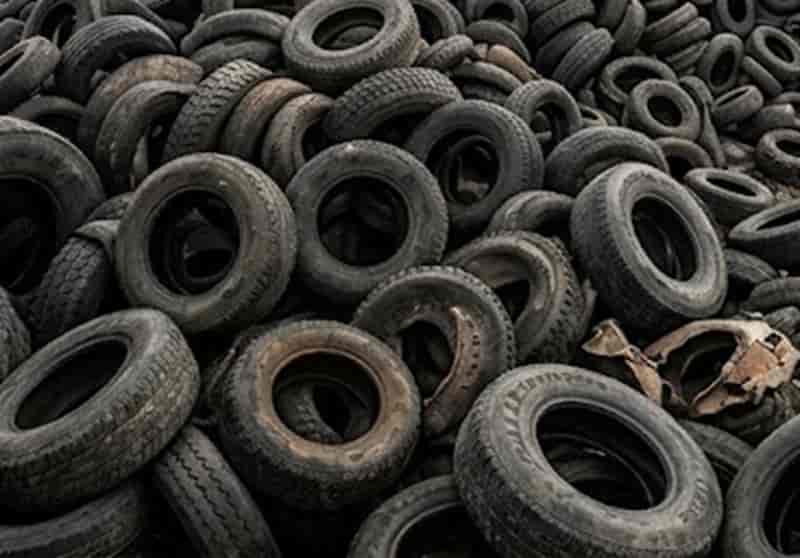
The tire industry is taking another significant step toward circular manufacturing. Pirelli North America has launched its first tire-to-tire closed-loop recycling project, transforming manufacturing scrap tires into valuable raw materials that can be reused in the production of new tires.
Developed in partnership with Bolder Industries, the initiative demonstrates how advanced recycling technologies can help reduce waste, lower reliance on virgin materials, and support the automotive industry’s sustainability goals.
A New Model for Circular Tire Manufacturing
The project focuses on recovering scrap tires generated during Pirelli’s manufacturing operations in North America. Instead of being discarded, these materials are collected and processed by Bolder Industries through an advanced pyrolysis process.
The technology converts tire waste into recovered carbon black (rCB), a critical material used in tire production. The resulting product, known as BolderBlack and certified under the ISCC PLUS sustainability standard, is reintroduced into Pirelli’s manufacturing process and partially replaces virgin carbon black in new tires.
The initiative creates a traceable circular supply chain in which production waste is recovered, processed, and returned to manufacturing, significantly improving resource efficiency.
Why Recovered Carbon Black Matters
Carbon black is one of the most important raw materials used in tire manufacturing, providing strength, durability, and performance characteristics.
Traditionally, carbon black is produced from fossil-based feedstocks. Recovered carbon black offers manufacturers an opportunity to reduce the environmental footprint of tire production while maintaining product quality standards.
Industry experts increasingly view rCB as one of the most promising pathways for reducing emissions in the tire sector because it enables valuable materials to remain in circulation rather than being lost as waste.
Recognition for Industry Collaboration
The project has already received recognition from the Tire Recycling Foundation, which awarded the collaboration in the Value Chain Collaboration category.
The recognition highlights the growing importance of partnerships between manufacturers and recycling specialists as industries seek scalable solutions for waste reduction and circular economy implementation.
Building a Scalable Recycling Ecosystem
According to Pirelli, the North American initiative represents the first phase of a broader strategy aimed at increasing the use of recycled and bio-based materials across its operations.
The company plans to expand similar recycling models to additional facilities, creating industrial ecosystems capable of transforming manufacturing waste into recovered raw materials that can be reused throughout its global production network.
This approach aligns with broader sustainability trends across the automotive supply chain, where manufacturers are increasingly seeking to reduce dependence on virgin resources while strengthening supply-chain resilience.
Tackling a Global Tire Waste Challenge
Globally, an estimated 1.5 billion tires reach end-of-life each year, creating a significant environmental challenge. Tire recycling technologies such as pyrolysis are gaining momentum because they enable the recovery of valuable materials including carbon black, oil, steel, and gases that can be reused in industrial applications.
As governments and manufacturers intensify efforts to reduce waste and greenhouse gas emissions, circular solutions for end-of-life tires are expected to play an increasingly important role in sustainable manufacturing.
Pirelli’s Broader Sustainability Roadmap
The tire-to-tire recycling initiative supports Pirelli’s wider sustainability strategy, which includes expanding the use of recycled and bio-based materials across its product portfolio.
The company has previously announced targets to increase the percentage of renewable and recycled content used in tire manufacturing, reflecting a broader industry shift toward more sustainable mobility solutions.
What This Means for the Future of Tire Production
The collaboration between Pirelli and Bolder Industries illustrates how circular economy principles can move beyond theory and become part of large-scale industrial production.
By transforming manufacturing scrap into reusable raw materials, the project demonstrates a practical pathway for reducing waste, lowering resource consumption, and creating more sustainable supply chains within the global tire industry.
As demand grows for environmentally responsible products and manufacturing practices, closed-loop recycling systems are likely to become an increasingly important component of future tire production.
More…