GRDF Extends Vehicle Recycling Partnership to Accelerate Circular Economy Goals
GRDF Renews End-of-Life Vehicle Recycling Partnership to Boost Circular Economy Goals
GRDF Extends Vehicle Recycling Partnership to Advance Circular Economy Strategy
France’s gas distribution leader GRDF has renewed its collaboration with The Future is NEUTRAL for another three years, reinforcing its commitment to reducing environmental impacts across its vehicle fleet.
The agreement covers the management of approximately 650 end-of-life vehicles annually, representing around 10% of GRDF’s fleet. The initiative reflects a growing trend among large organizations to integrate circular economy principles into fleet operations and sustainability strategies. Recent announcements confirmed the partnership renewal and highlighted its role in supporting corporate decarbonization goals.
Why End-of-Life Vehicle Recycling Is Becoming a Strategic Priority
As environmental regulations tighten across Europe, businesses are increasingly looking beyond vehicle procurement and fuel consumption to address the full lifecycle impact of their fleets.
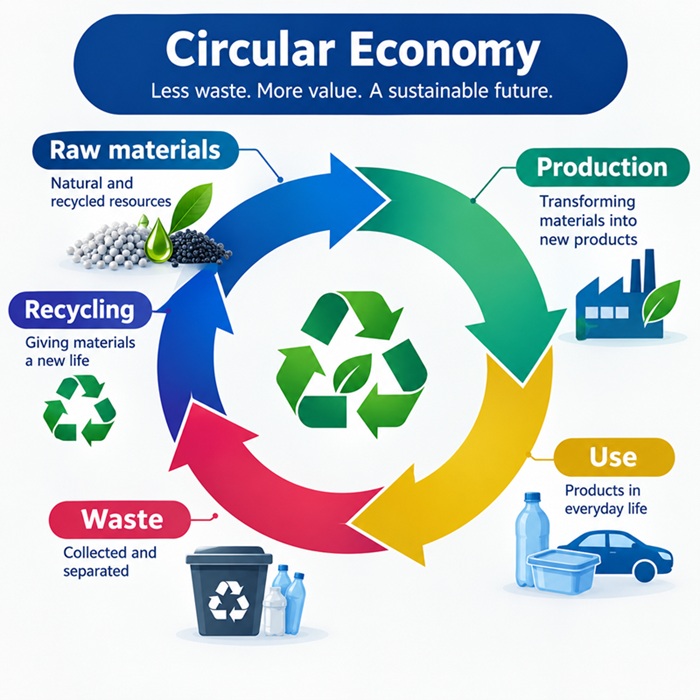
End-of-life vehicle recycling has become a critical component of corporate sustainability programs because it helps recover valuable materials, reduce waste, and lower the demand for virgin resources. The approach aligns with broader European objectives aimed at improving resource efficiency and strengthening industrial circularity.
For fleet operators, the challenge is not only recycling vehicles but also ensuring complete traceability, regulatory compliance, and measurable environmental outcomes.
A Turnkey Solution for Fleet Sustainability
Under the renewed agreement, The Future is NEUTRAL will continue managing the entire end-of-life process through its specialized subsidiaries GAIA and INDRA.
The system covers:
- Vehicle collection and logistics
- Administrative and regulatory compliance
- Data tracking and traceability
- Vehicle assessment and preparation
- Reuse of components where possible
- Material recovery and recycling
- Performance reporting linked to decarbonization objectives
The model provides GRDF with a single point of contact while ensuring transparency throughout the process. end-of-life vehicle recycling
The Growing Importance of Automotive Circular Economy Models
The renewal comes as circular economy solutions gain momentum across the European automotive sector.
According to The Future is NEUTRAL, Europe generates roughly 11 million end-of-life vehicles every year, creating significant opportunities to recover materials and components that can re-enter manufacturing supply chains. The company processed approximately 425,000 end-of-life vehicles during 2025 and helped return millions of reusable parts to the market.
Industry experts increasingly view vehicle recycling as a strategic resource-management tool rather than simply a waste-treatment activity.
From Vehicle Disposal to Resource Recovery
Modern vehicle recycling has evolved far beyond traditional dismantling.
Today’s circular economy operators focus on maximizing value from each vehicle through:
Reuse of Components
Usable parts can be refurbished and returned to the market, extending product life cycles and reducing manufacturing demand.
Material Recycling
Metals, plastics, and other materials can be recovered and reintroduced into industrial production processes.
Battery Recovery
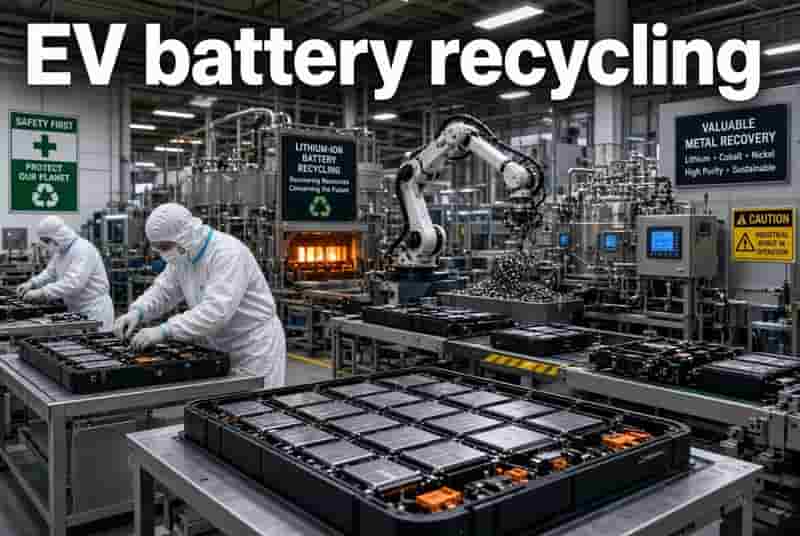
With electric vehicle adoption increasing, battery management has become a major focus. The Future is NEUTRAL recently expanded its capabilities for collecting and recycling electric vehicle batteries, supporting the recovery of strategic materials such as lithium, nickel, and cobalt.
Measuring Decarbonization Performance
A notable aspect of the GRDF partnership is its emphasis on measurable sustainability outcomes.
Through monthly reporting and data monitoring, GRDF can evaluate how vehicle recovery, reuse, and recycling activities contribute to reducing its overall carbon footprint.
This data-driven approach reflects a broader trend in corporate ESG programs, where companies increasingly seek quantifiable evidence of environmental performance rather than relying solely on policy commitments.
Circular Economy Moves Into the Mainstream
The renewed partnership demonstrates how circular economy principles are becoming integrated into mainstream business operations.
Organizations are increasingly recognizing that sustainability goals can align with operational efficiency, regulatory compliance, and resource security.
For GRDF, managing the end-of-life phase of its fleet is now part of a wider strategy that includes emissions reduction, responsible asset management, and support for France’s energy transition objectives. For The Future is NEUTRAL, the agreement further strengthens its position as a major player in Europe’s growing automotive circular economy sector.
Key Takeaway
The extension of the GRDF–The Future is NEUTRAL partnership highlights the increasing importance of end-of-life vehicle recycling within corporate sustainability strategies. By combining vehicle collection, reuse, material recovery, and performance monitoring, the initiative demonstrates how large fleet operators can reduce environmental impacts while supporting the development of a more circular and resource-efficient automotive industry.
More…