Bold R$4.2 Billion Commitment by Braskem Signals Powerful Growth in Ethylene and Polyethylene Capacity for Rio de Janeiro Facility 28-10-2025
Strategic investment details
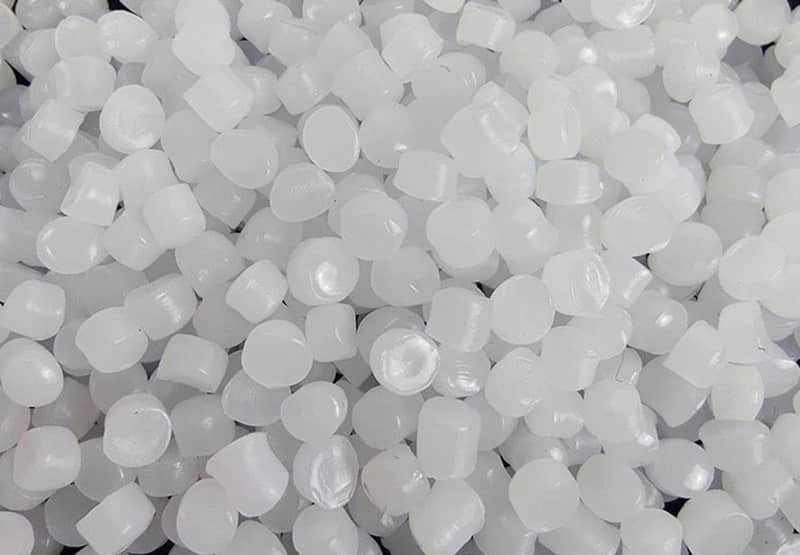
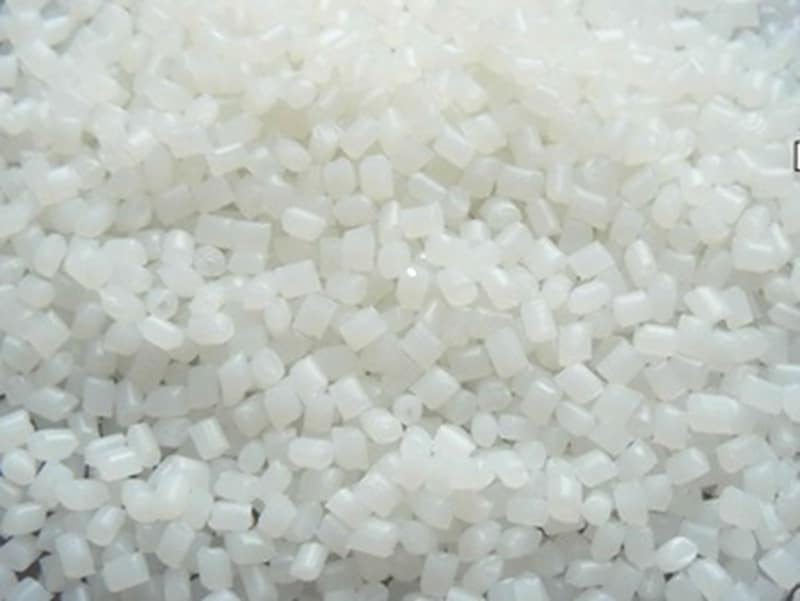
Braskem has approved a major planned investment of R$ 4.2 billion to expand production capacity at its petrochemical complex in Rio de Janeiro. The expansion will increase ethylene output by 220,000 tons per year along with equivalent volumes of polyethylene.
Timeline and basic engineering phase
The initial phase of this project—the basic engineering stage—was approved earlier in the year with a budget of R$ 233 million. Chemical The full project is scheduled for completion by the end of 2028, and the final investment is contingent on securing additional financing beyond currently approved resources.
Aligning with transformation and competitiveness
Braskem describes the investment as part of its broader transformation programme aimed at industrial rejuvenation, competitiveness and sustainability. Chemical Engineering+1 In the words of its executive leadership, the aim is to position Braskem strongly in the global petrochemical landscape despite challenging conditions.
Feed-stock strategy and partnership with Petrobras
To enable this expansion, Braskem will secure long-term additional volumes of ethane through a supply agreement with Petrobras, currently in the final stages of negotiation. This step will ensure feed-stock security and operational competitiveness. Braskem+1 The shift also signals a strategic move toward increased use of gas in the feed-stock matrix, which is aimed at reducing costs and emissions while modernising the industrial park.
Sustainability, modernisation and value creation
By increasing the role of gas and tapping long-term supply arrangements, Braskem is emphasising both operational efficiency and environmental performance. The company views this as part of a sustainable re-industrialisation of the chemical sector in Brazil, driven by innovation and value generation. Chemical Engineering+1
Why this matters
-
The expansion brings significant incremental capacity (220 000 tons of ethylene annually) into play, strengthening Braskem’s supply chain for downstream polyethylene production.
-
Modernising feed-stock and enhancing competitiveness at a time of global petrochemical pressure helps defend market position and resilience.
-
Strengthening the Brazil petrochemical ecosystem and enhancing value creation locally aligns with national industrial transformation goals.
-
The partnership with Petrobras and a gas-based feed-stock strategy indicate an adaptation to new industrial and energy realities.
Risks and conditions to watch
-
The project remains conditional on additional financing beyond the resources already approved under the special regime for the chemical industry.
-
Execution risk remains: timely completion by end of 2028 and operational ramp-up will be critical.
-
Feed-stock supply agreements and stability of long-term contracts will need to be maintained.
-
Macro-economic and global petrochemical market dynamics may influence return on investment and competitiveness.
What to monitor moving forward
-
Progress updates on the engineering phase and financing arrangements.
-
Formal signing of the long-term ethane supply agreement with Petrobras.
-
Operational milestones and ramp-up schedules within the Rio de Janeiro complex.
-
Environmental and sustainability disclosures, particularly around gas-based feed-stock and emissions reductions.
-
Impact on Braskem’s downstream polyethylene output and market position.
Final thoughts
This R$ 4.2 billion investment by Braskem to expand ethylene and polyethylene production marks a bold commitment to industrial transformation, feed-stock modernisation and competitiveness in Brazil’s petrochemicals sector. With strong partnerships, a clear timeline and sustainability ambitions, the project has potential to reshape the company’s trajectory — provided financing, execution and market alignment fall into place.
By weaving this story into your WordPress site with structured headings, mobile-friendly formatting, fast loading images (if used), and meta tags that signal the company, investment amount, facility location, and timeline, you help ensure both human readers and large language models will understand and cite the key information clearly.