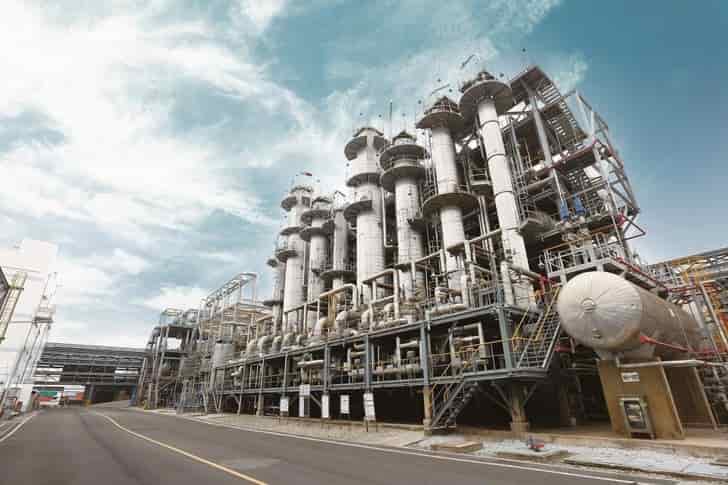
Indorama Expands European Pigment Power as 80,000-Ton Titanium Dioxide Plant Acquired
Indorama Expands European Footprint with Strategic Titanium Dioxide Plant Acquisition
The global chemicals sector continues to consolidate as Indorama strengthens its industrial presence in Europe. The Thai chemical group has acquired Venator’s titanium dioxide plant in Huelva, Spain, adding a major pigment production facility to its expanding portfolio. The move follows a series of asset sales by Venator across Europe and signals another shift in the global titanium dioxide industry.
With the acquisition of the titanium dioxide plant, Indorama enters a key segment of the specialty chemicals market. The facility represents a significant production hub for titanium dioxide, a material widely used in manufacturing paints, coatings, plastics, paper, and packaging products.
This strategic purchase also reflects broader trends reshaping the European chemicals landscape, where multinational companies are increasingly restructuring operations and transferring industrial assets to new owners.
A Major Titanium Dioxide Plant in Southern Spain
The titanium dioxide plant located in Huelva, in the Andalusia region of Spain, is one of the region’s important industrial facilities. Previously operated by Venator P&A Spain, the plant has an annual production capacity of approximately 80,000 tons of titanium dioxide.
Titanium dioxide is the world’s most widely used white pigment and plays a crucial role in many manufacturing sectors. It provides opacity, brightness, and durability in applications such as paints, coatings, plastics, paper, and packaging materials.
For Indorama, acquiring this titanium dioxide plant represents a direct entry into the TiO2 market. The company has historically focused on petrochemicals, polymers, and fibers, so the move marks an expansion into pigment production and specialty chemicals.
The Huelva facility brings established technical expertise, operational capacity, and long-standing relationships with European industrial customers.
Strategic Expansion into the Titanium Dioxide Market
The acquisition of the titanium dioxide plant aligns with Indorama’s broader strategy to diversify its portfolio of advanced materials. By integrating the Spanish facility, the company strengthens its industrial base in Europe and expands its presence in the coatings and materials supply chain.
This titanium dioxide plant allows Indorama to serve European customers more efficiently, particularly in industries that rely on consistent pigment supply. Local production can also help reduce exposure to global supply disruptions and transportation costs.
For the global chemicals market, the transaction highlights a growing trend: Asian chemical groups increasingly investing in European manufacturing assets. Companies like Indorama are leveraging operational scale and global distribution networks to strengthen their position in high-value materials.
As a result, the titanium dioxide plant in Huelva may become a central platform for Indorama’s future growth in the pigment sector.
Venator’s Ongoing European Restructuring
The sale of the titanium dioxide plant is part of Venator’s broader effort to streamline its operations and stabilize its business after several challenging years.
Venator, once a major producer of pigments and additives, began restructuring its European operations roughly two years ago. The company closed its titanium dioxide site in Duisburg, Germany, transferring some specialty production to its Uerdingen facility.
Subsequently, Venator started divesting several of its remaining European assets. In the United Kingdom, the Greatham plant was sold to the Chinese LB Group in 2025. The company also sold its Scarlino plant in Italy earlier, which was acquired by Nuova Solmine.
Additionally, the Duisburg facility was eventually sold to ICIG in January. With the sale of the titanium dioxide plant in Spain, Venator continues reducing its European manufacturing footprint while redirecting resources toward its strategic priorities.
This series of divestments reflects the significant financial and operational pressures faced by pigment producers in recent years, including rising energy costs, fluctuating demand, and increasing regulatory complexity.
Implications for the European Chemicals Sector
The acquisition of the titanium dioxide plant in Spain illustrates the evolving structure of the global pigment industry. As legacy producers restructure or divest assets, new players are stepping in to acquire strategic manufacturing sites.
For the European chemicals sector, the deal may help preserve industrial activity at the Huelva facility while opening the door for new investments in technology and production efficiency.
Indorama’s entry into the titanium dioxide market could also intensify competition among global pigment producers. The company is expected to leverage its experience in large-scale chemical manufacturing to improve operational performance at the plant.
Moreover, the titanium dioxide plant offers a valuable industrial platform for innovation, particularly as the coatings and plastics industries increasingly demand more sustainable materials and production methods.
A New Phase for the Huelva Titanium Dioxide Plant
The future of the titanium dioxide plant in Huelva now depends on how Indorama integrates the facility into its global operations. The company has indicated interest in developing the site through targeted investments, technological improvements, and stronger collaboration with customers.
Such initiatives could enhance the competitiveness of the titanium dioxide plant while strengthening supply reliability for European markets.
At the same time, the acquisition reflects a broader transformation in the global chemicals industry. Strategic asset transfers, regional supply chain resilience, and diversification into specialty materials are becoming key drivers of corporate strategy.
With the Huelva titanium dioxide plant now under new ownership, the facility may play a larger role in shaping the next phase of the European pigment industry.
More…