Eco-friendly Polymer – Polyplastics has launched PLASTRONⓇ LFT (Long Fiber-Reinforced Thermoplastic) RA627P, an eco-friendly composite of polypropylene (PP) resin and long cellulose fiber which delivers low density, high specific rigidity, high impact strength, and excellent damping for a range of applications including audio components (speaker diaphragms) and housings of industrial components. 19-02-2025 - Archive
Eco-friendly Polymer
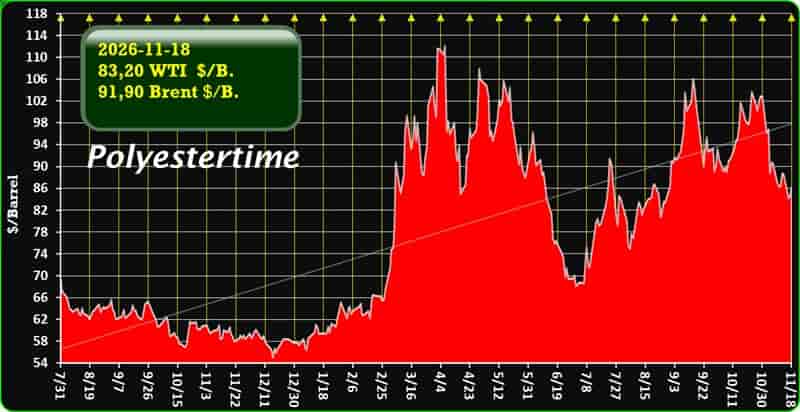
Crude Oil Prices Trend

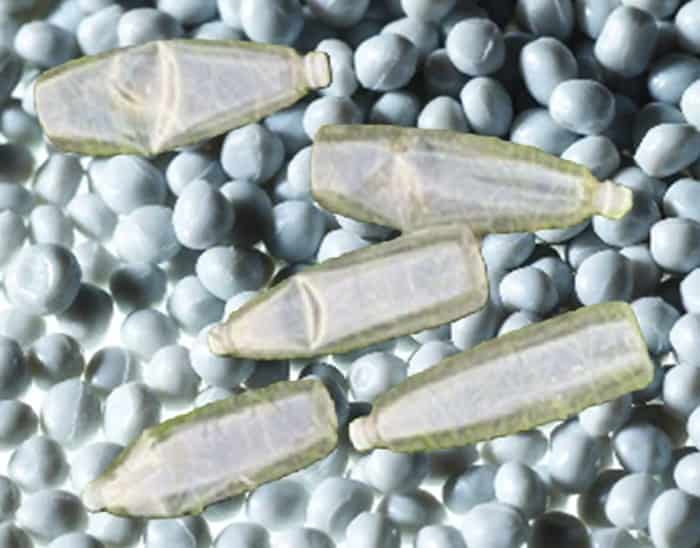
Otsuka Pharmaceutical Partners with Fukuroi City for PET Bottle Recycling
Otsuka Pharmaceutical Co., Ltd. (Otsuka) has signed an agreement with Fukuroi City, Shizuoka Prefecture, and Toyota Tsusho Corporation to enhance PET bottle recycling. The partnership, formalized on February 13, promotes local bottle-to-bottle recycling, reinforcing a circular economy approach. Otsuka’s Fukuroi Factory will lead efforts in sustainable PET bottle reuse.
Enhancing Local Recycling Initiatives
The Fukuroi Factory, a key beverage production site, has long supported environmental sustainability. Since 1995, Otsuka has upheld an Environmental Conservation Agreement with Fukuroi City, further expanding collaboration in 2017 with a Comprehensive Partnership Agreement for health and sports promotion. Eco-friendly Polymer
Under this new initiative, PET bottles collected in Fukuroi City will be processed into raw materials for new bottles produced at the factory. Public awareness efforts, including educational campaigns with posters and videos, will highlight the importance of bottle-to-bottle recycling.
Expanding Recycling Collaborations
Otsuka has established similar agreements with 21 municipalities across Japan, including Tokushima Prefecture and Shirakawa Village, a UNESCO World Heritage site. The company also supports recycling at major events like marathons and music festivals. Eco-friendly Polymer

Polyplastics Launches New Eco-Friendly PLASTRONⓇ ︎LFT with Reduced Weight, Higher Rigidity, and Strong Damping
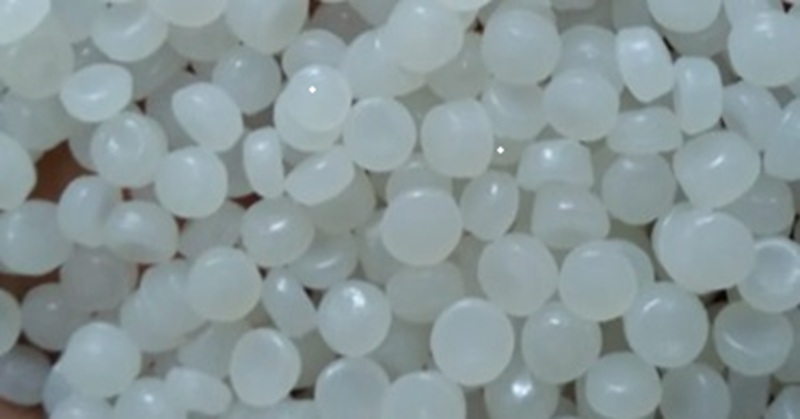
Polyplastics has launched PLASTRONⓇ LFT (Long Fiber-Reinforced Thermoplastic) RA627P, an eco-friendly composite of polypropylene (PP) resin and long cellulose fiber which delivers low density, high specific rigidity, high impact strength, and excellent damping for a range of applications including audio components (speaker diaphragms) and housings of industrial components.
The development of PLASTRONⓇ LFT RA627P reinforces Polyplastics’ commitment to reduce the environmental impact of its materials and bring about a sustainable society. Thanks to its regenerated cellulose fiber content, PLASTRONⓇ RA627P boasts a reduced carbon footprint – roughly 30% less than that of 30% short glass fiber-reinforced PP resin. The new LFT is a composite of PP resin and uninterrupted 30% long cellulose fibers of the same length which are oriented in the same direction. Eco-friendly Polymer
The regenerated cellulose fiber exhibits high strength and elasticity thanks to unique spinning conditions and polymerization of the raw cellulose materials.
PLASTRONⓇ RA627P provides roughly 10% lower density than 30% short glass fiber-reinforced PP resin, while maintaining roughly the same flexural modulus. The material also has a specific rigidity that is higher than that of 30% short glass fiber-reinforced PP resin, with a large loss coefficient at the same time.

Smoltek Hydrogen and Heraeus Join Forces to Enhance Iridium Efficiency in PEM Electrolyzers
Smoltek Hydrogen, a pioneer in carbon nanotechnology solutions, has signed a strategic term sheet with Heraeus Precious Metals to advance iridium-based catalyst technology for proton exchange membrane (PEM) electrolyzers. This collaboration aims to significantly boost the efficiency of porous transport electrodes (PTEs), driving scalable and sustainable hydrogen production.
By merging Smoltek Hydrogen’s nanostructure technology with Heraeus’ expertise in catalyst formulations, the partnership seeks to maximize iridium utilization, reducing costs and improving PEM electrolyzer performance. Eco-friendly Polymer
“Our goal is to push the boundaries of iridium efficiency, making green hydrogen production more viable,” said Ellinor Ehrnberg, President of Smoltek Hydrogen.
The two companies will leverage their combined expertise to enhance the next generation of PEM electrolyzer electrodes. Smoltek Hydrogen’s innovative approach, paired with Heraeus’ industrial-scale experience, positions the partnership to deliver game-changing advancements in hydrogen technology.
“Smoltek Hydrogen’s agility in innovation, combined with our industrial know-how, will accelerate breakthroughs in catalyst efficiency. Together, we strive to meet the growing hydrogen market’s demands,” said Philipp Walter, Executive Vice President of Heraeus Precious Metals.
This collaboration underscores a shared commitment to supporting the global energy transition by optimizing PEM electrolyzer technology for cost-effective, high-performance green hydrogen production. Eco-friendly Polymer

LDPE Prices Surge in February Amid Tight Supply
In early February, LDPE prices rose in both the U.S. and Europe due to supply shortages, higher feedstock costs, and production disruptions. Market trends indicate continued price increases as weather conditions improve and demand recovers.
-LDPE prices climbed in both regions amid constrained supply and rising feedstock expenses.
-Severe weather in northern Europe disrupted inland container networks, leading to logistical delays, surcharges, and increased insurance costs.
-In the U.S., steady downstream demand supported price hikes despite supply chain disruptions.
-Unplanned production outages and extended maintenance due to extreme cold further tightened resin availability, prompting aggressive spot buying. Eco-friendly Polymer
Germany’s LDPE Film grade saw a 1.3% price increase, driven by limited supply and elevated feedstock costs. Imports remained scarce, while high U.S. prices worsened constraints. Meanwhile, urban housing and EU Recovery Fund-backed renovation projects provided some market support, though automotive sector struggles dampened sentiment.
In the U.S., LDPE Film grade prices rose 0.8% FOB Texas by February 7, 2025. Supply constraints, adverse weather, and strong export demand pushed prices higher. Regulatory shifts, including a 30-day tariff pause on Canadian and Mexican imports and a 10% tariff on Chinese imports, added complexity. Eco-friendly Polymer
As winter subsides, stabilizing production and robust exports are expected to sustain price momentum, reinforcing tight market conditions and driving further increases in February.
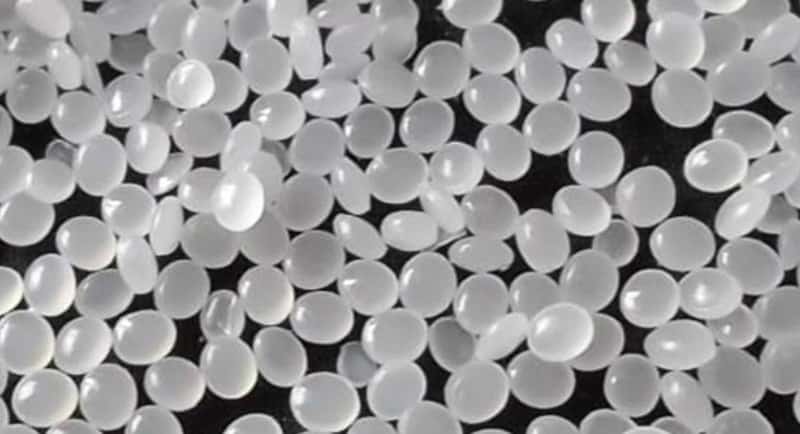
A study by ExxonMobil, Trayak, and Michigan State University evaluated the environmental impact of replacing polyethylene (PE) packaging with paper, glass, aluminum, or steel
Researchers analyzed five key packaging types covering 60% of U.S. PE packaging sales: shrink films, stretch films, heavy-duty sacks, non-food bottles, and flexible food pouches.
A life cycle assessment (LCA) measured global warming potential (GWP), fossil energy use, mineral resource use, and water scarcity. Results indicated PE packaging generally had a lower environmental footprint than alternatives. Switching from PE to other materials could increase GWP by an average of 70% due to heavier material weight and higher production emissions.
PE packaging used fewer fossil resources in 14 of 19 comparisons and showed lower GWP, water scarcity, and mineral resource use in 16 of 19 cases.
Glass, aluminum, and steel had the highest impacts due to their weight and energy-intensive production. Paper-based options had mixed results but required more material, increasing landfill emissions. Eco-friendly Polymer
Lightweight paper alternatives with plastic liners sometimes performed better but involved multiple materials, complicating recycling. For instance, PE stretch film had a 70% lower GWP than paper pallet wrap, largely due to recyclability.
The study emphasized enhancing PE recycling and reducing waste rather than substituting with heavier materials.