Sustainable solutions – A genetically modified bacterium is able to demolish nylon chemical compounds to obtain useful and non -polluting materials. Although technology will still take time to be perfected, in 10-30 years we could find ourselves with a valid, invisible ally in the recycling of a material that is difficult to reuse today 27-02-2025 - Archive
Sustainable solutions
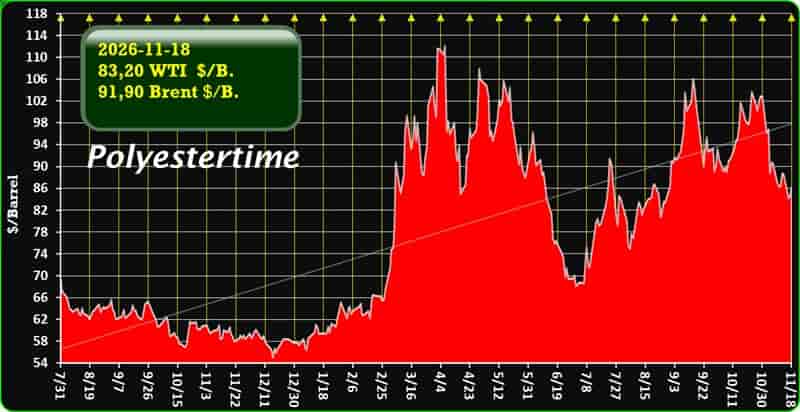
Crude Oil Prices Trend

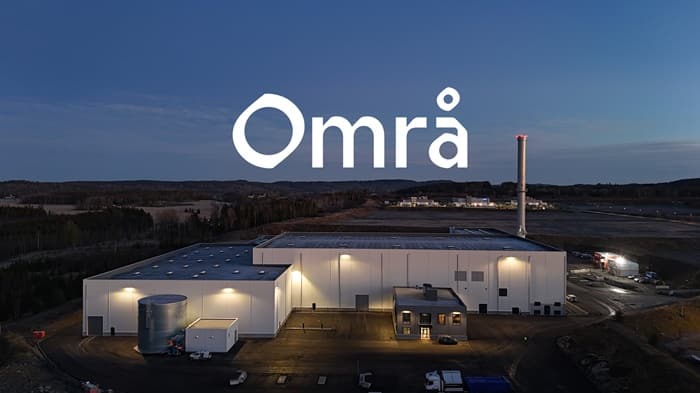
KINGFA Opens Advanced Recycling Facility in Montalbo
KINGFA’s Environmental SCI & TECH Spain has launched its chemical recycling plant in Montalbo, aiming for an annual capacity of 30,000 tons of high-performance recycled plastics. This initiative strengthens Spain’s plastic waste recycling system.
The facility utilizes advanced technology to achieve high-value circularity, boasting full-process capabilities and high-quality recycling. It marks a major step forward in circular economy infrastructure.
KINGFA also seeks to expand its European market presence in plastic waste recycling, life cycle management, and low-carbon materials. The project aligns with its ‘1438 Strategy,’ targeting 100 billion yuan in revenue by 2030—10 billion from healthcare, 40 billion from green petrochemicals, 30 billion from new materials, and 80 billion from modified plastics.
José Luis Martínez Guijarro, first vice president of Castilla-La Mancha, believes the facility sets a model for green transformation, aligning with Spain’s industrial policy goals for innovation and resource regeneration.
Cao Yan, science and technology counselor at the Chinese Embassy in Spain, sees the plant fostering China-Europe collaboration in sustainable solutions, driving technological advancements and industrial upgrades.
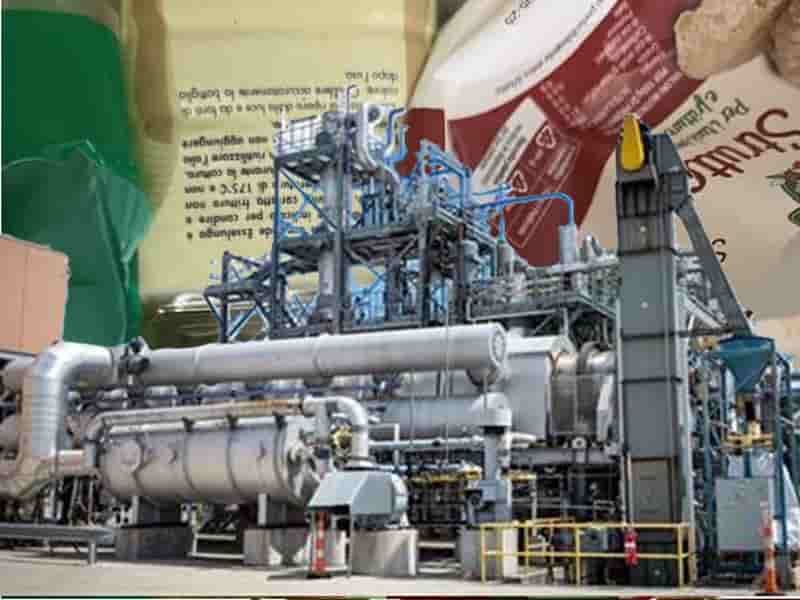
A genetically modified bacterium helps to recycle nylon (and obtains biopolymers)
A storage of bacterium
Pseudomonas
It has been engineered and “trained” to demolish the most unrecognizable components of the nylon of dresses and fishing networks.
A genetically modified bacterium is able to demolish nylon chemical compounds to obtain useful and non -polluting materials. Although technology will still take time to be perfected, in 10-30 years we could find ourselves with a valid, invisible ally in the recycling of a material that is difficult to reuse today. Sustainable solutions
From fossil fuels. The term nylon indicates a family of Polymid (a class of macromolecole) syntheticin particular the Poliammidi alifaticaobtained from the reaction of an acid on a chemical product derived from oil. The nylon is therefore a plastic to weara synthetic fiber which, together with the polyester, is employed in 60% of the clothes and in 70% of the home textiles in Europe. For their durability and resistance to traction, these materials are used to create intimate and sporting clothing, tights, networks and fishing lines, umbrellas, parachutes, components of the automotive industry.
The problems in recycling. Due to the highly production, the products made with these fibers end up accumulating in the environment and in landfills. The incineration process is critical because Release poisonous compoundsand the correct recycling currently concerns less than 5% of the polyamides produced. Sustainable solutions

MET Development (MAIRE), Eni, and Iren Ambiente have initiated the permitting process for a circular methanol and hydrogen plant at Eni’s Sannazzaro de’ Burgondi refinery in Italy
The project leverages NEXTCHEM’s NX CircularTM technology, advancing engineering preparations for execution.
The plant will convert 200,000 tons of non-recyclable waste annually into synthesis gas (syngas), supplied by Iren Ambiente. This syngas will produce up to 110,000 tons per year of circular methanol, a sustainable fuel for maritime decarbonization, and 1,500 tons of circular hydrogen. The hydrogen can support refinery processes, reducing CO2 emissions, or be used for green mobility in road and rail transport. Sustainable solutions
Additionally, the plant will recover 33,000 tons of inert granulate per year, aiding the cement industry’s decarbonization efforts. The circular methanol aligns with the EU Renewable Energy Directive for Recycled Carbon Fuels (RCF), reinforcing sustainability objectives.
By utilizing existing refinery infrastructure, the project optimizes costs while enhancing local technical expertise. MAIRE reaffirms its role as a technology enabler, providing integrated engineering solutions.
Fabio Fritelli, NEXTCHEM’s Managing Director, highlighted the project’s significance: “This initiative bridges environmental sustainability and economic growth. Italian ports will be pioneers in adopting eco-friendly fuel compliant with international regulations. NX CircularTM technology offers a tangible solution for reducing environmental impact while advancing energy transition.” Sustainable solutions
This development marks a step forward in integrating circular economy principles into the energy sector, strengthening Italy’s leadership in sustainable fuel innovation.
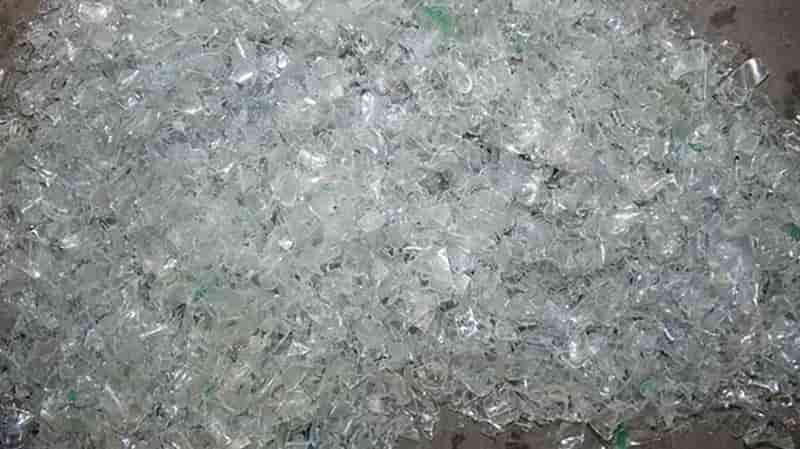
Getec Laboratory analyzes rPET
The company offers insights into maintaining the quality of recycled PET packaging and textiles.
Throughout its production, use and recycling, polyethylene terephthalate’s (PET’s) quality can be compromised because of thermal degradation, the presence of solid contaminants and nonintentionally added substances (NIAS) and discoloration that alters its appearance.
Chemical analysis techniques can help monitor and control the quality of PET polymers, packaging and textile products, and Getec Laboratory, based in the Netherlands, says it has introduced new methodologies for measuring the particle size distribution of solid particles in PET and nonvolatile NIAS. Sustainable solutions
For optimal food safety in recycled PET, or rPET, packaging, detecting NIAS is essential, Getec says. Detecting nonvolatile NIAS can be more challenging than detecting volatile NIAS, but Getec Laboratory says it has created a new dissolution-precipitation analysis method using liquid chromatography to identify nonvolatile NIAS in rPET. This method detects four-to-six times more nonvolatile NIAS than its in-house extraction method.
NEXTCHEM Expands Circular Economy Efforts in UAE with Proprietary Technologies
During the institutional visit of His Highness Sheikh Mohamed bin Zayed Al Nahyan, President of the UAE, to Italian Prime Minister Giorgia Meloni in Rome, NEXTCHEM (MAIRE Group) and Yousif Mohamed Al Nowais, a long-term MAIRE industrial partner, signed a Memorandum of Understanding (MoU). This collaboration aims to enhance plastic recycling in the UAE by improving waste sorting, classification, and upcycling processes. The initiative will convert end-of-waste materials into high-quality recycled polymers for local use and export.
This MoU strengthens a relationship that began in the 1990s when MAIRE entered the UAE’s energy sector, delivering strategic projects that transformed natural resources into value-added products. Sustainable solutions
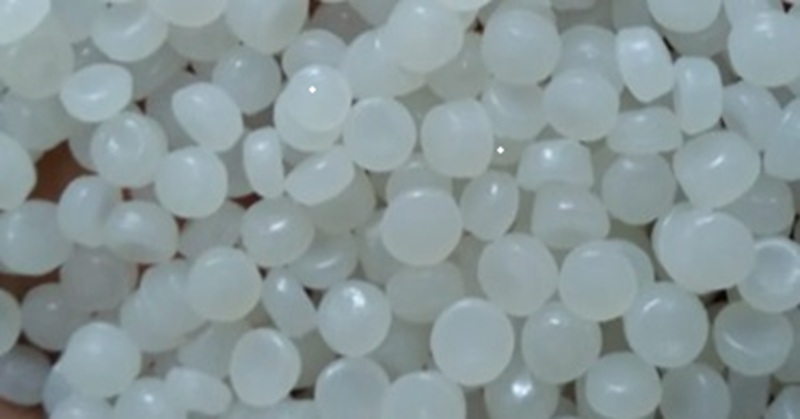
It follows NEXTCHEM’s 2022 milestone—the launch of an advanced plastic upcycling plant in Abu Dhabi’s Kezad Industrial Zone. Capable of processing up to 100,000 tons of polyolefin plastic pellets, this facility integrates NEXTCHEM’s cutting-edge technologies to support the energy transition and decarbonization efforts.
Fabrizio Di Amato, Founder and Chairman of MAIRE, highlighted the longstanding UAE-MAIRE partnership spanning nearly three decades. He reaffirmed the Group’s commitment to sustainable investments, stating: “This agreement reinforces our dedication to circular economy initiatives in the UAE, leveraging Italian engineering excellence. With our extensive technology portfolio, NEXTCHEM offers innovative and efficient solutions for waste valorization.” Sustainable solutions
This initiative marks another step in scaling up the UAE’s circular economy, reinforcing MAIRE’s role in fostering sustainability and technological advancement in the region.

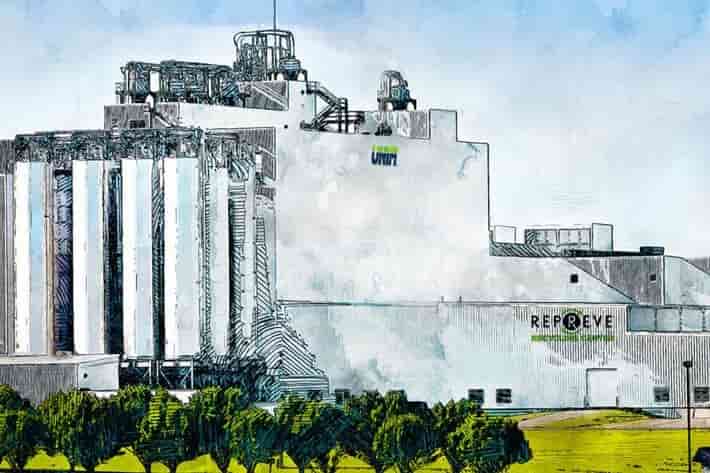
UNIFI®, the makers of REPREVE® and a global leader in recycled and synthetic yarns, has released its 2024 Sustainability Snapshot, showcasing major advancements in textile-to-textile recycling
The company continues to drive circularity with innovations like REPREVE Takeback™ and ThermaLoop™, reinforcing its environmental commitments.
“Our latest Sustainability Snapshot highlights our dedication to sustainability and innovation,” said Eddie Ingle, CEO of UNIFI. “We are expanding recycling efforts and reducing waste to scale sustainable manufacturing.”
Key 2024 achievements include:
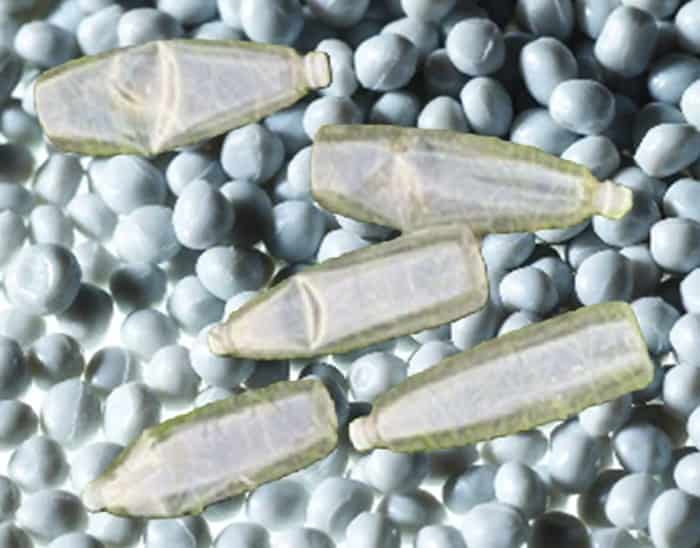
-Recycling 950 million T-shirts’ worth of textile waste, targeting 1.5 billion by FY2030.
-Diverting 42 billion plastic bottles from landfills, aiming for 50 billion by December 2025.
-Maintaining zero non-compliant water discharges. Sustainable solutions
-Cutting Scope 1 and 2 greenhouse gas emissions by 8%, working toward a 30% reduction by FY2030.
-REPREVE generating 32% of FY2024 revenue, with a goal of 50%+ by FY2030.
UNIFI also completed two third-party life cycle assessments (LCAs) for REPREVE Takeback staple fiber and ThermaLoop. Compared to virgin polyester, these products reduce:
-GHG emissions by 42%-77%.
-Energy use by 47%-84%.
-Fossil fuel consumption by 48%-85%.
-Freshwater use by 46%-71%. Sustainable solutions
ThermaLoop received the 2024 Just Style Award for Product Launch – Circularity and the 2025 SEAL Sustainable Product Award, underscoring UNIFI’s industry leadership. The 2024 Sustainability Snapshot reaffirms the company’s commitment to environmental progress and supporting global brands in achieving circularity and sustainability goals.