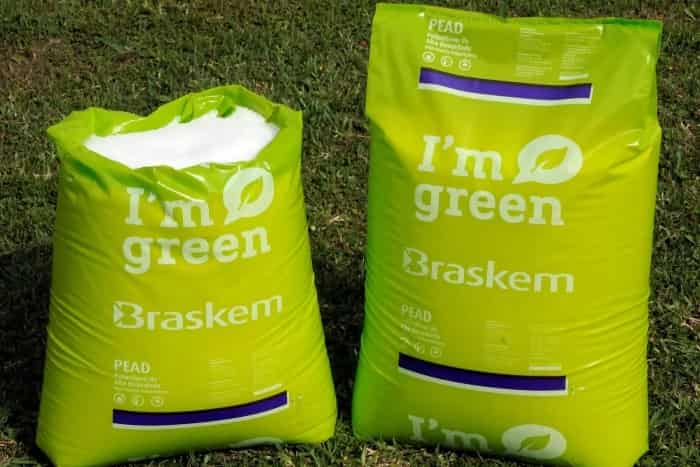
Braskem petrochemical – Braskem plans to boost ethylene and polyethylene output by 220,000 metric tons annually at its Rio de Janeiro plant under its “switch to gas” initiative. CEO Roberto Ramos announced the move to increase domestic ethane use from Petrobras while reducing costly naphtha 01-03-2025 - Archive
Braskem petrochemical
Braskem Shifts to Gas for Polymer Production
Braskem plans to boost ethylene and polyethylene output by 220,000 metric tons annually at its Rio de Janeiro plant under its “switch to gas” initiative. CEO Roberto Ramos announced the move to increase domestic ethane use from Petrobras while reducing costly naphtha.
The company allocated R233mn ($40mn) for engineering studies and will secure a long-term ethane supply deal with Petrobras. The investment, supported by Brazil’s REIQ tax incentives, aims for completion by 2026. The expanded facility is set to launch between late 2027 and early 2028. Braskem petrochemical
Braskem’s Rio Grande do Sul plant may process natural gas, while its Bahia unit can operate with a 10% gas mix, potentially rising to 20%. Existing naphtha-cracking furnaces can accommodate 20% ethane and some propane with minimal investment. Gas-naphtha blends are under consideration for São Paulo, but no capacity expansion is planned. Ethane for the Rio de Janeiro plant will come from Petrobras’ pre-salt fields via the Rota 3 pipeline.
Market & Production Trends
Braskem anticipates a prolonged petrochemical downturn, with its market share in Brazil falling from 60% to just over 40% in two years. It supports higher import tariffs and anti-dumping measures on polyethylene from the US and Canada.
In 2024, domestic resin sales were flat at 3.34mn tons. US and Europe sales fell 7%, while Mexico saw a 5% rise. Braskem’s plant utilization hit 72% in Brazil and 74% for US and European polypropylene operations. The company posted a $2.2bn loss in 2024, up from $935mn in 2023. Braskem petrochemical

Rianlon’s $300M Investment in Malaysia: A Strategic Expansion in Polymer Additives
Rianlon, a leading Chinese supplier of polymer modification additives, is investing up to $300 million in a research, development, and production facility in Malaysia. This move reinforces its global expansion and strengthens its position in the international chemical additives market.
This investment highlights Southeast Asia’s rising role as a hub for specialty chemicals. Malaysia’s favorable investment climate, skilled workforce, and strategic location make it an ideal base for serving key markets.
Additionally, growing demand for high-performance polymer additives, particularly anti-aging and functional additives, underscores Rianlon’s expansion. These additives are essential for industries like automotive, packaging, and consumer goods, where durability and performance are crucial. Braskem petrochemical
The Malaysian facility will enhance Rianlon’s production and innovation capabilities, enabling localized R&D to develop solutions tailored to global customer needs. By diversifying its manufacturing base, Rianlon aims to mitigate risks associated with international trade dynamics and economic fluctuations.
Beyond polymer additives, Rianlon is broadening its portfolio to include lubricant additives and synthetic biological raw materials. This diversification allows it to tap into new markets and address the rising demand for specialized chemicals across industries.

Plastics Europe has welcomed the EU’s Clean Industrial Deal but warns it overlooks the plastics sector’s crucial role
“The EU is showing strong political leadership to restore competitiveness, but policymakers must recognize plastics’ essential contributions to industries like automotive, net-zero technologies, healthcare, construction, and defence,” said Virginia Janssens, managing director of Plastics Europe.
The Deal aims to make industrial decarbonisation profitable, focusing on energy-intensive industries and clean tech while reducing dependence on third-country suppliers. Despite supporting measures to cut energy costs, reduce bureaucracy, and boost circular products, Plastics Europe argues the Deal lacks urgency in revitalizing the competitiveness of EU plastics manufacturing and accelerating its transition to net zero and circularity. Braskem petrochemical
The association criticized the Commission for not tailoring policies to plastics as it has for chemicals and automotive. “The scale and complexity of the European plastics sector demand a dedicated policy response,” Janssens stated, urging the Commission to create an Action Plan uniting EU institutions, Member States, and industry stakeholders. Additionally, she called for plastics to be included in all sectoral initiatives, funding programs, and key material supply strategies.
Regarding the Circular Economy Act, Plastics Europe supports efforts to build a single market for waste, recycled, bio-based, and low-carbon plastics but insists it must also be protected from fragmentation.
EuRIC, representing recyclers, also criticized the Deal for overlooking recycling’s role in decarbonisation, urging recognition of mechanical recycling as a key net-zero technology to strengthen circularity and competitiveness. Braskem petrochemical
Sipchem and LyondellBasell (LYB) have received a feedstock allocation from Saudi Arabia’s Ministry of Energy to support a feasibility study for a world-scale mixed-feed cracker complex
The project, with a 60% (Sipchem) | 40% (LYB) ownership structure, aims to define the technical, financial, and commercial framework for the venture.
The proposed facility will produce petrochemicals and derivatives for local and global markets, generating thousands of jobs. With access to cost-advantaged feedstocks, cutting-edge technologies, and strategic market proximity, the project promises long-term value. LYB’s advanced technology will enable the production of differentiated polyethylene and polypropylene grades, including Catalloy elastomeric polyolefins.
Both companies will explore carbon management initiatives, incorporating low-emission technologies to support Saudi Arabia’s net-zero goals. Braskem petrochemical
“Sipchem’s partnership with LyondellBasell is a milestone in our pursuit of sustainable growth and market leadership,” said Abdullah Al-Saadoon, Sipchem CEO. “By leveraging energy-efficient technologies, we advance our environmental objectives and operational sustainability. We appreciate the Ministry of Energy’s support in enabling our shared vision for the petrochemical industry. We look forward to progressing this project and delivering high-quality products that drive industrial growth in the Kingdom.”

LANXESS: Longer-lasting tires through sustainable antioxidant
- Vulkanox HS Scopeblue made from 55 percent sustainable raw materials
- Significantly improved CO2 footprint
- Application enables more sustainable tire production
LANXESS’ new rubber additive Vulkanox HS Scopeblue supports tire manufacturers in producing more sustainable, longer-lasting tires and in achieving their sustainability goals. The antidegradant from the specialty chemicals company is the sustainable variant of the proven antioxidant Vulkanox HS (TMQ), which tire manufacturers use to effectively protect their products from adverse effects of oxygen and heat. The additive is also characterized by low volatility and low migration tendency. Braskem petrochemical
Compared to the conventionally manufactured product, the carbon footprint of Vulkanox HS Scopeblue is more than 30 percent lower. This is achieved by using biocircular acetone and renewable energy in production. The mass-balanced product is manufactured in an ISCC PLUS-certified plant in Germany. Since the overall chemical structure of the product remains unchanged, no modifications to the tire manufacturing process are required and customers can use Vulkanox HS Scopeblue as drop-in to produce more sustainable tires.

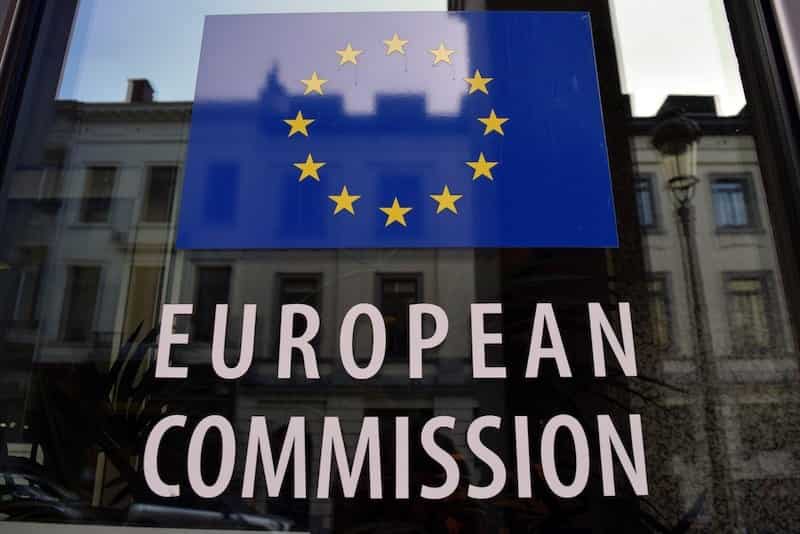
The European Commission has unveiled the Clean Industrial Deal, a plan to make industrial decarbonisation profitable
Launched within the first 100 days of the new Commission’s mandate, it addresses geopolitical tensions, sluggish growth, and declining competitiveness. The plan prioritises energy-intensive industries, clean tech, and circularity to reduce reliance on third-country raw materials.
Over €100 billion will be mobilised to support EU-based clean manufacturing, with further details expected in the Clean Industrial Deal State Aid Framework in mid-2025. Policies will expedite State aid approvals for renewable energy expansion, industrial decarbonisation, and clean tech manufacturing.
“Europe is making decarbonisation a business opportunity,” said Teresa Ribera, European Commission Vice-President. “Our plan fosters investment, expands clean tech markets, and ensures affordable energy while creating jobs and skills.” Braskem petrochemical
A key initiative, the Affordable Energy Action Plan, seeks to lower energy costs through tax reductions, faster project approvals, and integrated electricity markets. Regulatory changes will enhance energy security and competitiveness.
The Circular Economy Act, set for adoption in 2026, aims to lower feedstock costs, boost recyclate supply, and streamline waste-to-resource transitions. It will facilitate free movement of circular materials and expand Extended Producer Responsibility (EPR).
Additionally, sector-specific measures include the Automotive Industrial Action Plan (March 2025) and the Chemicals Industry Package (late 2025). A Bioeconomy Strategy will promote bio-based materials.
Commission President Ursula von der Leyen emphasised the need to remove barriers to European industry and stimulate demand for clean products. Braskem petrochemical