Power Move: Selenis Expands Specialty Copolyester Capacity Past 200k Tonnes
Specialty copolyester production
Power Move: Selenis Expands Specialty Copolyester Capacity Past 200k Tonnes
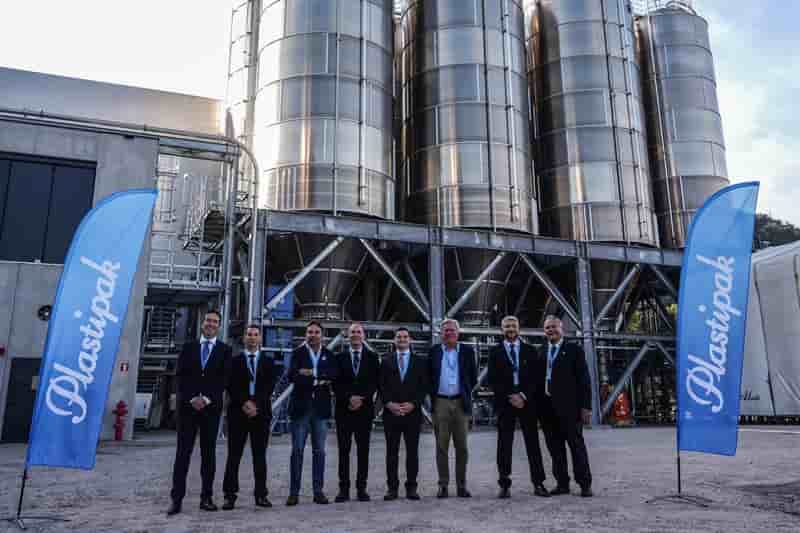
Global industrial polymer manufacturer Selenis, a company under the IMG Group umbrella, has finalized the strategic acquisition of production assets from Greece-based Polisan Hellas. The assets are slated for relocation and installation at Selenis’ industrial facility in Portugal.
This milestone transaction marks a major scaling phase for the manufacturer, projecting total specialty copolyester capacity to exceed 200,000 metric tonnes annually by 2028.
Through this integration, Selenis bridges continuous polymerization capabilities with its flexible batch manufacturing footprint across its key plants in Portugal, Italy, Tunisia, and the United States. The expansion directly strengthens regional supply chains across Europe and North America while diversifying output for high-demand sector applications.
Bridging Continuous Scale with Specialty Flexibility
Industrial polymer manufacturing relies on balancing standard high-volume output with tailored material grades. The addition of continuous polymerization capabilities creates a dual-engine production structure for Selenis:
-
Continuous Polymerization (CP): Designed to drive down the conversion cost per tonne on standard high-volume production lines.Continuous processing yields around-the-clock consistency without batch-to-batch property variations.
-
Batch Manufacturing: Kept dedicated to small-volume, highly specialized formulations where fast grade changeovers, custom colorations, and precise recipe depth are required.
By operating both technologies within the same corporate platform, the producer can shift standard products—such as PETG grades meant for shrink sleeves or thermoforming sheets—onto continuous lines. Meanwhile, dedicated technical lines remain available for specialized customer specifications.
| Manufacturing Method | Primary Advantage | Best-Fit Applications |
| Continuous Polymerization | Lower conversion costs & batch-free consistency | High-volume packaging, shrink sleeves, standard film |
| Batch Production | Rapid setup shifts & custom formulation depth | Specialty healthcare, custom filaments, technical resins |
Strategic Regionalization and Supply Chain Resilience
Recent global shipping disruptions have forced converters and plastic processors to re-evaluate single-source supply lines and long-distance maritime freight dependencies. Selenis’ global operational model aims to resolve regional market volatility through localized multi-site product qualification.
Under this setup, industrial converters can qualify a specific material specification across more than one manufacturing line or country. A European customer can source identical material grades from either Portugal or Italy, receiving resin shipments by truck within days rather than waiting weeks for overseas container freight. American converters are similarly served directly by local US-based output.
This dual-plant qualification model reduces reliance on single manufacturing points, lowers working capital requirements, and allows converters to maintain leaner safety stock reserves without risking production halts.
“When customers qualify our materials, they make a long-term commitment. Our responsibility is to invest ahead of their needs, to put more than one plant behind every grade, and to give them a cost base that lets them compete.”— Duarte Matos Gil, CEO of Selenis
Four Target Sectors Driving Structural Demand
The expansion in specialty copolyester production targets four primary industrial sectors experiencing elevated demand for performance polymers:
-
Shrink Sleeves, Film, and Sheet Packaging: High-volume rigid packaging and labeling applications benefit directly from lower conversion costs on continuous lines. Uniform resin properties support high-speed conversion and printing equipment.
-
Healthcare and Medical Devices: Offered under the dedicated Selcare® brand, medical-grade copolyesters demand absolute lot consistency, full traceability, and multi-facility contingency guarantees to pass strict regulatory approvals.
-
Additive Manufacturing (3D Printing): The Mimesis™ line supplies specialized PETG and PCTG resins to filament manufacturers. These materials serve functional prototyping and final end-use parts across automotive, industrial, and consumer electronics spaces.
-
Textile-to-Textile Circular Recycling: Through the Texnascis™ program, Selenis works with chemical recycling partners to process recovered monomers back into virgin-grade polyester. Polymerization scale is essential to turn chemical recycling outputs into commercially viable resin quantities.
Broader Investments and Future Footprint Growth
The Polisan Hellas asset integration aligns with a broader investment wave occurring across the group’s facilities. Beyond doubling production output at its primary industrial base in Portugal, Selenis is evaluating secondary capital deployments to support regional sustainability goals.
Future site evaluations include bio-based polymer technologies in Germany, alongside expanded textile-to-textile recycling operations using DMT (dimethyl terephthalate) chemical breakdown processes in Tunisia. Coupled with integration steps such as site solar installations and electrified continuous lines, the company is positioning its industrial scaling to meet strict European carbon and recycling mandates. Specialty copolyester production
By expanding capacity past 200,000 tonnes, Selenis establishes long-term supply stability and operational versatility for technical manufacturing markets worldwide.