Powering Sustainable Chemistry: Italy’s Revolutionary Bio-BDO Plant Leads Global Bioeconomy
Bio-BDO Fermentation Production
Powering Sustainable Chemistry: Italy’s Revolutionary Bio-BDO Plant Leads Global Bioeconomy
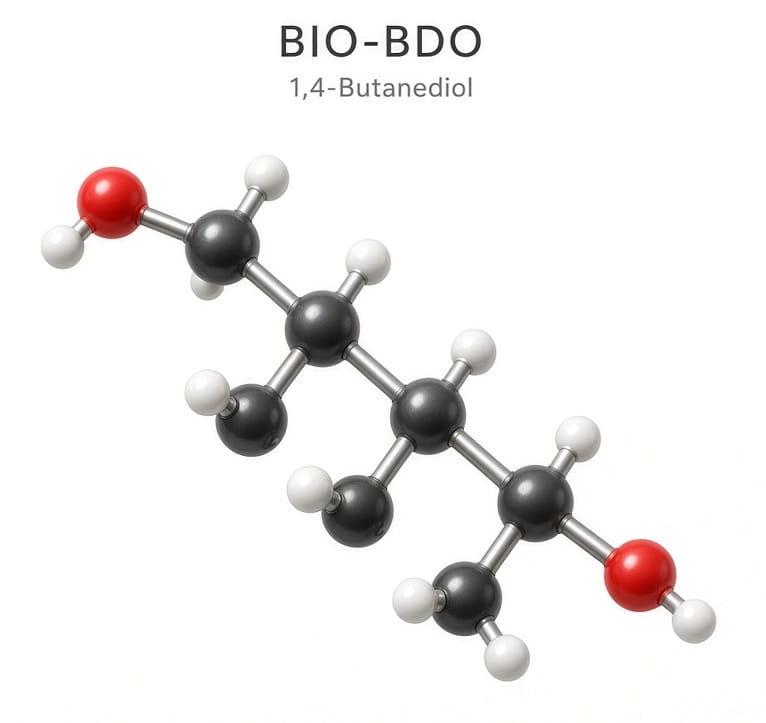
In the heart of Italy’s Polesine region, near Adria, a landmark facility in Bottrighe represents a major turning point for the global green chemistry sector. Operating as the world’s first industrial-scale site dedicated to producing 1,4-butanediol (BDO) directly from agricultural sugars through direct fermentation, the plant has transformed how sustainable chemical intermediates are manufactured. Traditionally, BDO has been synthesized strictly from fossil fuels to serve as a vital building block across diverse global markets, including high-performance textiles, automotive components, consumer electronics, and biodegradable polymers. Bio-BDO Fermentation Production
By substituting petrochemical feedstocks with renewable plant-derived sugars, this flagship production hub provides a proven alternative that dramatically lowers carbon intensity across downstream supply chains. The facility’s operational success demonstrates that advanced industrial biotechnology can meet complex global demand while directly advancing circular economy targets.
Three Decades of Innovation and Industrial Conversion
The foundation of the Bottrighe site rests on more than thirty years of specialized research pioneered by Novamont. Originating within the Montedison School of Materials Science, the company’s scientific teams set out to unite chemistry, environmental protection, and agricultural value chains. Today, Novamont operates as a certified B Corporation Benefit Company under Versalis—the chemical arm of Eni—and forms a core component of Italy’s broader strategy to decarbonize industrial manufacturing.
The site itself stands as a primary example of brownfield industrial regeneration. Rather than constructing new infrastructure on undeveloped land, Novamont revitalized the former BioItalia facility previously operated by Ajinomoto. By preserving and modernizing existing architectural structures, the conversion preserved local industrial heritage while retaining regional technical expertise. The underlying technology combines Novamont’s proprietary processing know-how with bio-engineering innovations developed in partnership with Genomatica, establishing a high-efficiency biological pathway for biochemical synthesis. Bio-BDO Fermentation Production
High Efficiency and On-Site Renewable Energy
Beyond its chemical outputs, the Bottrighe plant operates as an energy-efficient industrial ecosystem. Fermentation and chemical processing are inherently energy-intensive, making sustainable resource management crucial to the site’s net environmental impact. To address this requirement, the facility incorporates an advanced high-efficiency combined heat and power (cogeneration) system. Operating at a overall efficiency rate of 90 percent, the system simultaneously generates electricity and thermal energy for plant operations, earning official energy efficiency certificates. Any surplus electricity not utilized internally is fed directly back into the national grid.
To further close resource loops, the facility features an integrated anaerobic biodigester. The system processes organic biomass residues generated during fermentation alongside sludge from the wastewater treatment unit to produce biogas. This biogas is upgraded on-site into biomethane and injected into the national gas distribution network. By capturing value from process byproducts, the facility minimizes operational waste while supporting broader renewable energy infrastructure. Bio-BDO Fermentation Production
Navigating Global Markets and Regulatory Frameworks
While integrated biorefineries are critical components of a decarbonized chemical industry, bringing bio-based molecules to market requires long-term capital commitment. Industrial biotechnology facilities involve extensive research, multi-stage engineering validation, and substantial upfront capital deployment, carrying elevated technical and financial risks.
As global markets evaluate sustainable synthetics and renewable materials, long-term industry stability depends heavily on consistent regulatory frameworks. Plant leadership emphasizes that sustaining investments across the bioeconomy requires clear legislative guidance, supportive public policy, and measures that encourage market demand for bio-based intermediates. When supported by clear policy and integrated agricultural supply chains, facilities like Bottrighe demonstrate how green chemistry can deliver measurable environmental and economic value. Bio-BDO Fermentation Production
Hyosung TNC Expands Sustainable Materials Strategy With Vietnam Bio-BDO Plant
More…