Petkim’s Landmark 850 kTA Polyethylene Complex Supercharges Türkiye’s Petrochemical Breakthrough
Petkim polyethylene production complex
Petkim’s Game-Changing 850 kTA Polyethylene Complex Strengthens Türkiye’s Petrochemical Independence
Türkiye’s petrochemical sector is entering a decisive phase of industrial expansion as Petkim Petrokimya Holding A.Ş. advances plans for a massive new polyethylene production complex in Aliağa, İzmir. By selecting Univation Technologies’ UNIPOL PE Process Technology for the facility, Petkim is laying the technical groundwork for one of the largest polyolefin licensing commitments in Turkish industrial history.
Designed to produce 850,000 metric tons per year (850 kTA) of polyethylene resin, the planned complex sits at the heart of a broader, multi-billion-dollar transformation led by Petkim’s controlling shareholder, Azerbaijan’s state energy company SOCAR. As final engineering studies move forward, the project signals a determined effort to close Türkiye’s domestic polymer supply gap and reduce reliance on imported plastics. Petkim polyethylene production complex
Inside the Dual-Reactor UNIPOL PE Complex in Aliağa
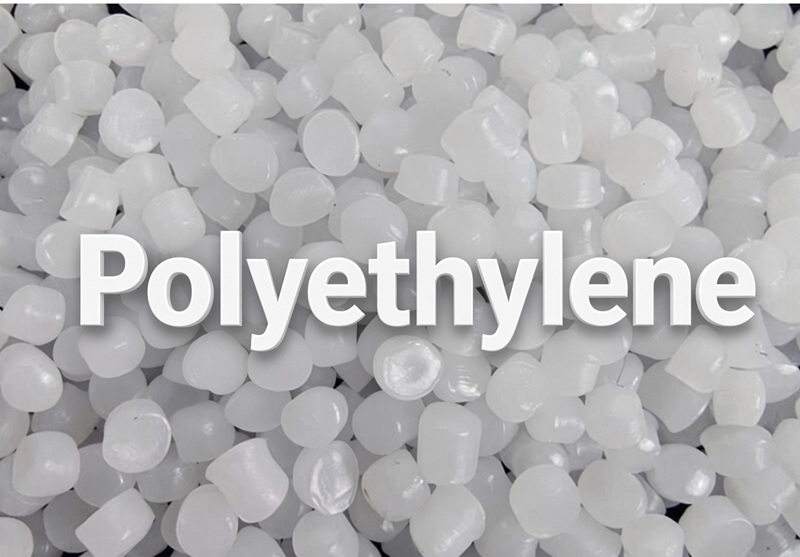
The proposed Petkim polyethylene production complex will be built around two similarly configured 425 kTA reactor lines, often referred to in the industry as “swing” lines. This dual-train architecture allows operators to switch efficiently between high-density polyethylene (HDPE) and linear low-density polyethylene (LLDPE) grades depending on shifting market demand.
While Univation Technologies has supplied licensed process, catalyst, and technical services to the global polyethylene industry for more than five decades, this project marks the first deployment of the UNIPOL PE Process at the Petkim site. According to Univation President Sereen Massoud, pairing two high-capacity reactor lines with proven gas-phase polymerization technology gives Petkim the operational flexibility required to serve a broad spectrum of downstream packaging, construction, and industrial applications. Petkim polyethylene production complex
Beyond the base reactor design, Univation’s ecosystem includes specialized conventional and advanced polymerization catalysts tailored specifically for the UNIPOL platform. For Petkim, securing a single-source technology and catalyst partner simplifies operational startup, streamlines quality control across both 425 kTA lines, and supports consistent resin performance once commercial operations begin.
Part of SOCAR’s $7 Billion Turkish Petrochemical Master Plan
The polyethylene licensing milestone does not stand in isolation. It forms a central pillar of Petkim’s broader Petrochemical Master Plan, an ambitious modernization and expansion initiative backed by SOCAR. According to recent industry reporting from November 10 and November 11, 2026, SOCAR’s overarching petrochemical investment program in Türkiye is valued at approximately $7 billion, pushing the company’s total cumulative investment across the country toward the $20 billion mark.
Kanan Mirzayev, General Manager of Petkim and Head of SOCAR Türkiye’s Refining and Petrochemicals Business Unit, has emphasized that scaling up domestic production capacity is essential for strengthening Türkiye’s industrial competitiveness. Alongside the 850 kTA polyethylene plant, the Master Plan encompasses a major expansion of ethylene cracking capacity—projected to rise from 558,000 tons to 1.2 million tons annually—as well as a new 550,000-tonne-per-year polypropylene facility.
To bring these integrated units to the final investment decision (FID) stage, Petkim has committed roughly $70 million toward front-end engineering design (FEED) and process design packages. Engineering contractor Technip Energies was recently tapped to execute FEED work and supply ethylene cracking technology, while Lummus Novolen Technology was selected for the polypropylene unit. Industry procurement analyses published on November 11, 2026, indicate that the FEED phase is scheduled to run through late 2027, setting the stage for major equipment procurement and construction mobilization from 2028 onward following a formal FID.
Reducing Import Dependence and Strengthening Supply Chains
Founded in 1965, Petkim remains Türkiye’s first and only integrated petrochemical manufacturer, producing roughly 3.6 million tonnes of petrochemical products annually across more than 60 grades. Despite its scale, Petkim currently meets roughly 9 percent of Türkiye’s total petrochemical demand, leaving Turkish manufacturers heavily exposed to imported polymers and global freight volatility.
By adding 850,000 tonnes of domestic HDPE and LLDPE capacity at Aliağa, the new complex directly targets one of Türkiye’s largest industrial trade deficits. Deeper operational integration between Petkim’s expanded cracking units and the neighboring SOCAR Turkey Aegean Refinery (STAR Refinery)—which processes roughly 13 million tonnes of crude oil per year—will create a tightly coupled feedstock-to-polymer value chain on the Aegean coast.
SOCAR estimates that completing the Master Plan expansion could trim Türkiye’s annual petrochemical import bill by roughly $1.5 billion. Simultaneously, SOCAR is continuing to invest in adjacent refining upgrades at Aliağa, including a $120 million (TRY 6 billion) project announced in early November 2026 to boost STAR Refinery’s annual diesel output by 600,000 tons. Petkim polyethylene production complex
Key Project Specifications at a Glance
-
Project Developer: Petkim Petrokimya Holding A.Ş. (subsidiary of SOCAR Türkiye)
-
Location: Aliağa Industrial Zone, İzmir, Türkiye
-
Licensed Technology: Univation Technologies UNIPOL PE Process
-
Total Design Capacity: 850,000 metric tons per year (850 kTA)
-
Plant Configuration: Two 425 kTA “swing” reactor lines producing HDPE and LLDPE resins
-
Current Project Stage: Front-end engineering design (FEED) ahead of Final Investment Decision (FID)
What Comes Next Before Final Investment Decision
Selecting Univation Technologies locks in the core process architecture for the polyethylene complex, allowing engineering teams to finalize capital cost estimates, utility requirements, and vendor lists during the ongoing FEED cycle. While Petkim has not yet announced a final investment decision, completing technology licensing across its ethylene, polyethylene, and polypropylene units removes a critical technical hurdle.
If approved at the conclusion of engineering studies, the 850 kTA complex will rank among the most significant downstream polymer investments in the Eastern Mediterranean. For Turkish converters, packaging producers, and industrial manufacturers, the project promises a more resilient, locally sourced supply of high-performance polyethylene resins for decades to come. Petkim polyethylene production complex
The Dangerous Reality Behind China’s Aggressive Polyethylene Expansion
More…