Breakthrough Partnership Unlocks Traceable Recycled SUPIMA Cotton for Luxury Fashion
Breakthrough Partnership Unlocks Traceable Recycled SUPIMA Cotton for Luxury Fashion
Luxury fashion has long faced an uncomfortable material paradox: while brands aggressively pledge to cut virgin resource use, mechanically recycled cotton has historically fallen short of high-end quality standards. Now, a landmark alliance announced on November 19, 2026, between materials science leader Recover and non-profit cotton organization SUPIMA aims to close that gap by transforming American-grown Pima cotton waste into traceable, verified recycled fibers.
By combining SUPIMA’s extra-long-staple heritage with Recover’s industrial-scale mechanical recycling and dual-layer digital and forensic verification, the partnership introduces the first premium tier of recycled cotton built specifically for luxury yarns and garments. Recycled SUPIMA Cotton
Why Recycled Cotton Has Struggled in Luxury Apparel
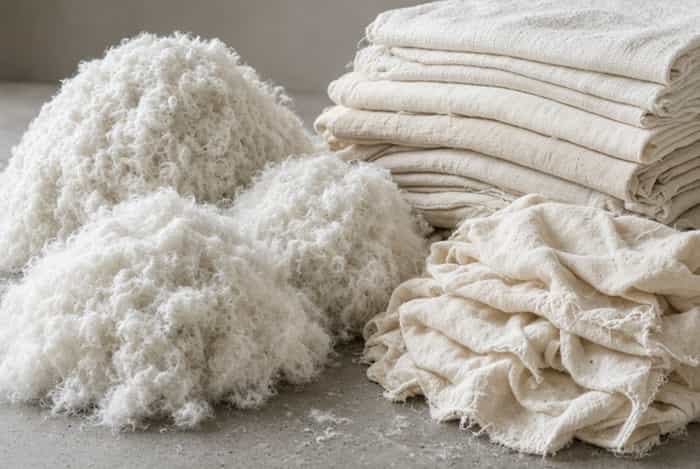
To understand why this collaboration matters, it helps to look at the physical mechanics of textile recycling. Standard mechanical recycling shreds fabric scraps back into raw fibers, a process that inevitably shortens staple length and weakens yarn tensile strength. Until now, most recycled cotton could only be spun into heavier, coarser yarns suited for denim, fleece, or casual basics rather than fine-gauge luxury knitwear or crisp shirting.
Fresh industry research underscores just how sensitive fiber preservation is during mechanical recovery. According to a textile engineering study published on November 19, 2026, by Ecotextile News, fabric construction directly dictates post-recycling staple length—with looser weaves containing fewer yarn crossings preserving up to 70 percent of recovered fiber mass above the critical 12.7-millimeter threshold needed for spinning.
Starting with a superior raw input changes the equation entirely. Grown exclusively in the American West and Southwest and protected by SUPIMA since 1954, American Pima cotton is prized globally for its extra-long staple fibers, natural luster, and exceptional strength. Recovering waste from SUPIMA production gives recyclers a far stronger starting foundation, enabling spinning mills to engineer finer, more durable recycled SUPIMA cotton blends without sacrificing softness or performance. Recycled SUPIMA Cotton
Inside the Recover and SUPIMA Circular Ecosystem
The new initiative connects SUPIMA’s network of more than 1,000 global brand and manufacturing licensees directly with Recover’s commercial recycling infrastructure. Rather than allowing cutting-room scraps and manufacturing offcuts from high-value Pima cotton to be downcycled into industrial stuffing or low-grade rags, the partnership captures that waste stream and reintroduces it into high-end apparel production.
Enes Adak, co-CEO and Chief Product Officer at Recover, emphasized that scaling circularity requires pairing raw material excellence with industrial reliability. By channeling SUPIMA production waste through Recover’s proprietary mechanical recycling systems—which dramatically reduce water and energy consumption compared to conventional virgin cultivation—brands gain a commercially viable circular feedstock that integrates into core collections rather than remaining confined to small capsule drops. Recycled SUPIMA Cotton
Dual-Layer Verification: Digital Tracking Meets Forensic Science
In an era of tightening global scrutiny over environmental marketing claims, fiber quality alone is no longer enough to satisfy luxury buyers or regulators. Both organizations have placed end-to-end supply chain verification at the center of the new recycled SUPIMA cotton offering. Recycled SUPIMA Cotton
The program relies on a two-pronged verification framework:
-
Digital Chain-of-Custody via TextileGenesis: Every transaction and physical transformation—from American-grown virgin SUPIMA cotton to post-industrial waste collection, mechanical fiber recovery, and yarn spinning—is digitally logged on the TextileGenesis traceability platform. Building on a traceability pilot launched by Recover and TextileGenesis in June 2025, this digital ledger gives brands granular, real-time visibility across tier-one through tier-four suppliers.
-
Forensic Origin Testing via Oritain: Digital tokens alone cannot prevent physical fiber substitution inside complex global supply chains. To eliminate greenwashing risks, SUPIMA integrates forensic origin science from Oritain, which analyzes the natural chemical and isotopic fingerprints absorbed by cotton plants from their local soil and climate. This allows independent verification that the recycled fiber genuinely originates from American-grown SUPIMA cotton.
As Jason Thompson, Vice President of Brand Development at SUPIMA, noted in the announcement, licensees have consistently asked for a circular Pima option that compromises neither fiber integrity nor origin authenticity. Combining digital tracking with forensic testing ensures that both the material performance and the sustainability claim stand up to rigorous audit. Recycled SUPIMA Cotton
Regulatory Timing and the Push for Digital Product Passports
The timing of the Recover and SUPIMA alliance aligns closely with major regulatory and market shifts reshaping fashion sourcing in late 2026. Across Europe, brands are actively preparing for mandatory Digital Product Passports (DPPs) under the Ecodesign for Sustainable Products Regulation, requiring verifiable, machine-readable data on fiber origin, recycled content, and supply chain custody.
Industry developments from November 20, 2026, highlight how rapidly traceability infrastructure is consolidating across the sector—from Aura Blockchain Consortium partnering with Fairly Made on European DPP compliance tools to industry trackers mapping 15 new Chinese textile environmental laws and standards. Simultaneously, brands face growing legal liability over unsubstantiated sustainability claims, making independently verified recycled fibers a strategic necessity rather than a marketing bonus. Recycled SUPIMA Cotton
What Spinning Mills and Fashion Brands Should Watch Next
While the strategic framework is now in place, textile industry analysts point out that commercial rollout details remain the next major milestone. Recover and SUPIMA have not yet publicly disclosed exact annual production volumes, target recycled-to-virgin blend ratios, commercial pricing tiers, or a specific retail launch calendar.
For spinning mills, knitwear specialists, and luxury apparel houses among SUPIMA’s 1,000-plus licensees, the immediate opportunity lies in technical sampling and yarn development. If recycled SUPIMA cotton proves it can deliver consistent staple performance at commercially competitive price points, it will establish a new benchmark for circular luxury—proving that high-end craftsmanship and verified textile-to-textile recycling can finally occupy the same garment. Recycled SUPIMA Cotton
How the New Euratex and GFA Alliance Could Rescue Europe’s Circular Textile Transition
More…