Oil Prices Slide to Three-Month Lows Amid US-Iran War Diplomacy and Supply Rebound
US Iran war oil prices
Oil Prices Slide to Three-Month Lows Amid US-Iran War Diplomacy and Supply Rebound
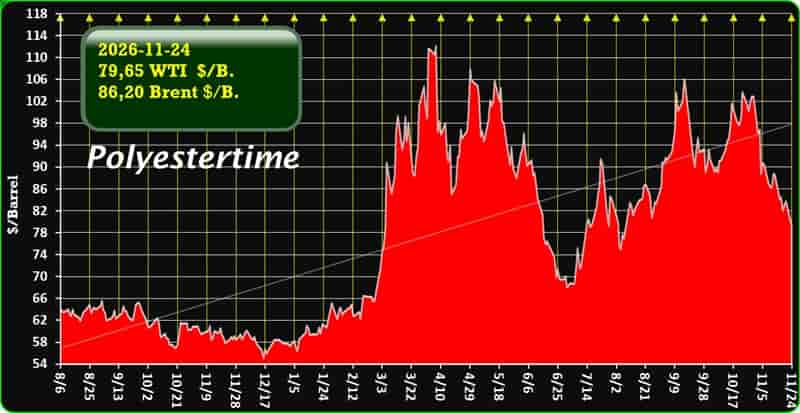
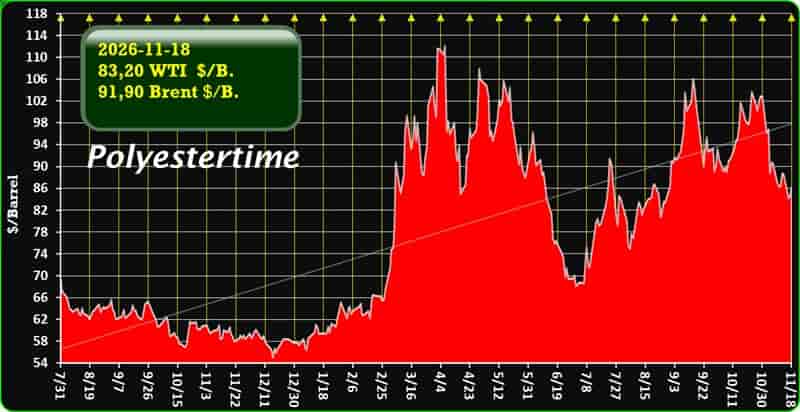
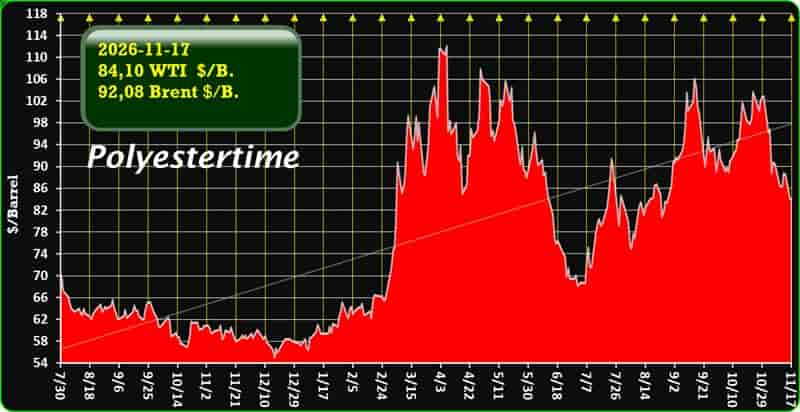
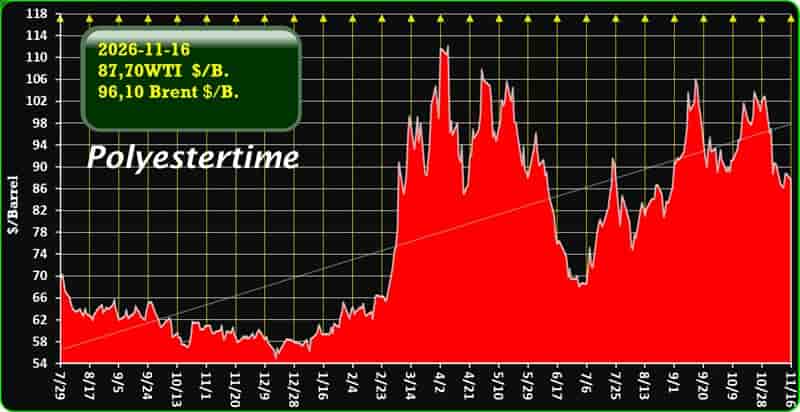
Global crude oil markets are experiencing a dramatic shift as the US Iran war oil prices dynamic moves from acute supply panic toward expectations of a near-term surplus. As of November 24, 2026, benchmark Brent crude futures are trading near $86 per barrel—following a February-contract settlement of $86.68—while US West Texas Intermediate (WTI) crude hovers around $80 per barrel after settling at $80.17. US Iran war oil prices
This pullback represents a steep retreat from late October, when Brent closed above $117 per barrel amid intense fighting in the Persian Gulf. Despite persistent maritime security threats and sporadic attacks on regional energy infrastructure, traders are increasingly pricing in diplomatic progress between Washington and Tehran alongside a substantial rebound in global crude output.
Why Crude Benchmarks Are Falling Despite Middle East Tensions
Ordinarily, active naval blockades and tanker harassment in the Strait of Hormuz would send crude futures soaring. However, several converging market forces have pushed both Brent and WTI down by roughly 22% to 23% over the past month.
1. Diplomatic Momentum Through Regional Mediators
Optimism surrounding backchannel negotiations has removed a substantial portion of the geopolitical risk premium from oil futures. Mediation efforts led by Qatar—alongside diplomatic outreach from Egypt, Turkey, Saudi Arabia, and Pakistan—have kept communication channels open between the United States and Iran as the conflict nears its ninth month.
Recent high-level discussions, including talks between US Vice President JD Vance and Qatar’s prime minister, have reinforced market bets that Washington and Tehran may avoid further large-scale military escalation in the immediate term. While major sticking points remain—Iran is demanding the lifting of sanctions, the release of frozen assets, and an end to the US naval blockade, while Washington presses for nuclear concessions—the continuation of dialogue has calmed panicked buying. US Iran war oil prices
2. Surging Global Supply and Reopened Pipelines
Physical supply additions have outweighed localized disruptions. According to data tracked by the International Energy Agency (IEA) and market analysts, global oil supply rose by 2.3 million barrels per day (bpd) in October to reach 105.4 million bpd. Key producers across the Persian Gulf have ramped up output to offset regional instability:
-
Saudi Arabia boosted crude production by 1.18 million bpd. US Iran war oil prices
-
Iraq added roughly 496,000 bpd to global markets.
-
Kuwait increased its output by 232,000 bpd.
Adding to the downward pressure on prices, Libya’s National Oil Corporation confirmed this week that its flagship Sharara oil pipeline has reopened following an earlier valve closure, allowing crude to flow once again into coastal storage facilities.
3. Shifting Market Structure and Rising Inventories
The structure of the crude futures curve signals that traders expect looser supply conditions ahead. The price spread between near-term and later-dated contracts has narrowed sharply, erasing the steep backwardation that characterized the market during peak wartime shortages. Furthermore, research from Deutsche Bank indicates that global observed liquids inventories rose by 52 million barrels in October, pointing to an implied daily oversupply of 1.7 million barrels.
Ongoing Geopolitical Risks in the Strait of Hormuz
Even with Brent near $86 and WTI around $80, energy strategists warn that the market remains fragile rather than fully normalized. The Strait of Hormuz remains a critical vulnerability for global energy logistics. Ship-tracking data from Kpler shows that crude shipments transiting the waterway averaged 9.5 million bpd in mid-November, down from 12.2 million bpd in October as commercial vessels navigate heightened security risks. US Iran war oil prices
Weekend incidents underscore that hostilities have not ceased. Iran has publicly stated it will not tolerate a prolonged US naval blockade that is straining its domestic economy and fuel distribution. Meanwhile, reports of drone and missile activity across the Gulf—including an industrial facility strike in Bahrain and Houthi claims of an attack on Saudi Arabia’s Rabigh refinery—serve as reminders that any breakdown in Qatari-mediated talks could trigger an immediate price rebound.
Economic Impact and What Traders Are Watching Next
For consumers and businesses, the retreat in crude futures offers gradual relief after months of severe inflationary pressure. Since the conflict began in February 2026, elevated energy and freight expenses have cost the average US household an estimated $1,200 to $2,000 in higher fuel and consumer goods prices, according to analyses from Brown University and Moody’s. While lower crude prices will take time to filter through refining margins and retail diesel networks, the downward trajectory eases immediate macroeconomic strain. US Iran war oil prices
Market attention now turns to two decisive catalysts over the coming days:
-
The November 29 OPEC+ Meeting: Energy ministers from OPEC+ will convene on November 29 to finalize their 2027 production policy. Traders will watch closely to see whether the alliance holds output steady to defend market share or adjusts quotas to arrest the recent slide in prices.
-
US Weekly Inventory Data: Upcoming petroleum stock reports from the American Petroleum Institute (API) and the US Energy Information Administration (EIA) will test whether domestic crude stockpiles are building as analysts expect.
Until a formal ceasefire or diplomatic framework is signed, oil prices will likely remain caught between expanding global supply and the ever-present risk of military escalation in the Persian Gulf.
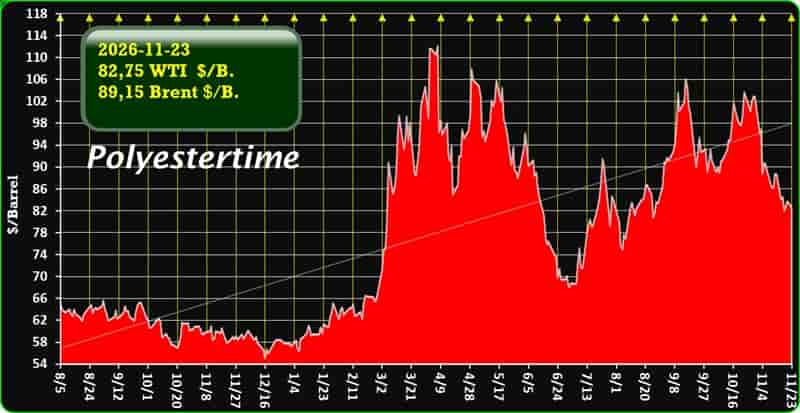
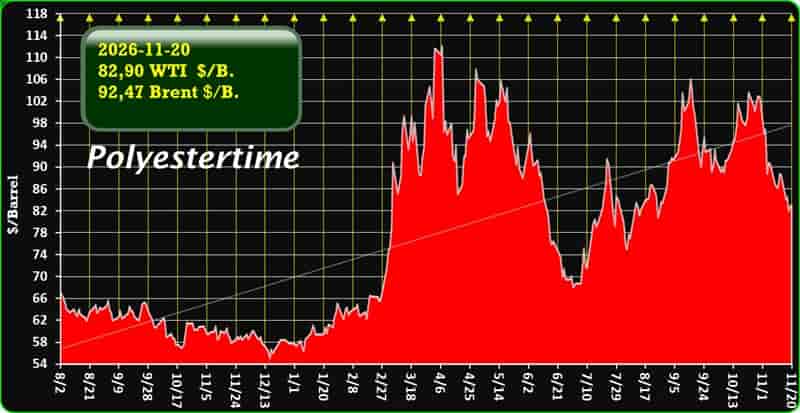
Oil Prices and the US–Iran War: Why Crude Is Hovering Near $90 for Brent and $83 for WTI
More…