US-Iran War Oil Prices: Brent Holds $91 as Supply Shifts
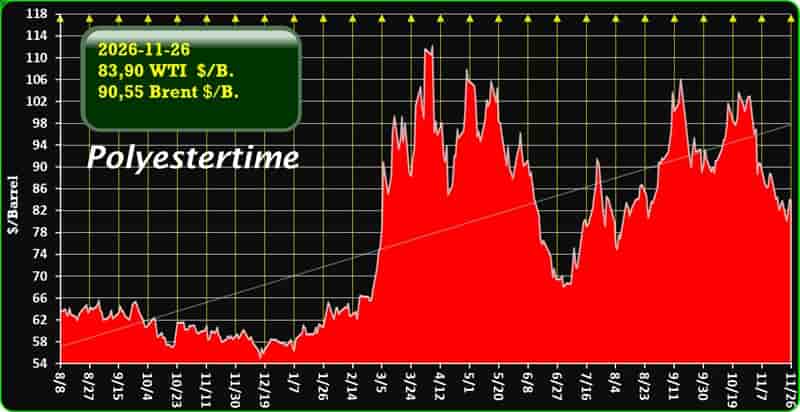
US-Iran War Oil Prices: Why Brent Holds Near $91 and WTI Around $84
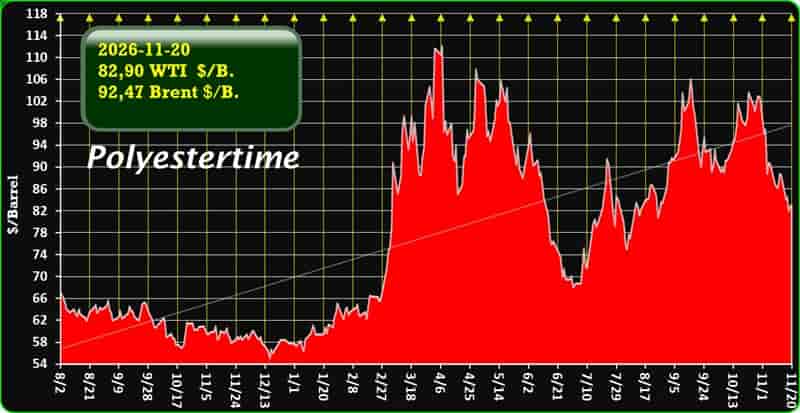
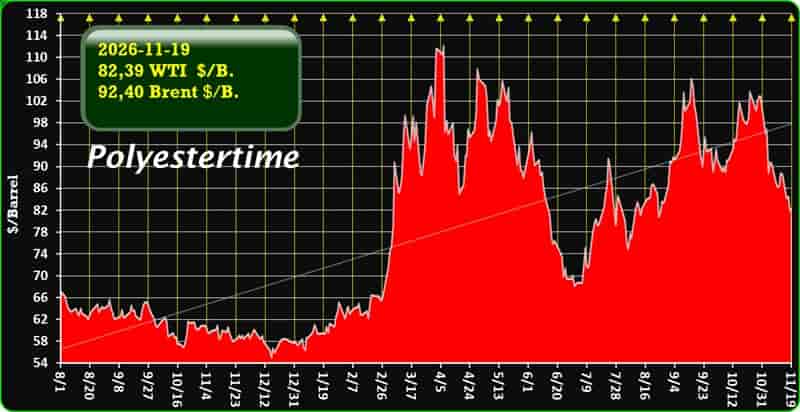
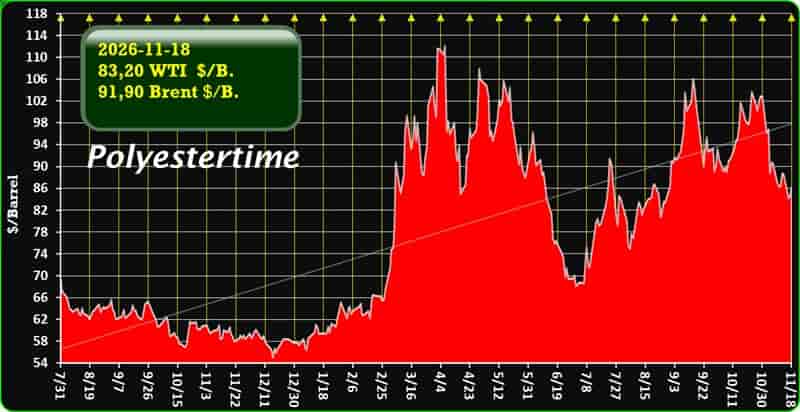
Global energy markets are caught in an intense tug-of-war between escalating geopolitical risks in the Middle East and a surprisingly resilient global supply buffer. Despite ongoing military friction and severe shipping disruptions in the Persian Gulf, US-Iran war oil prices have retreated significantly from their autumn peaks. Currently, international benchmark Brent crude is trading near $91 per barrel, while U.S. benchmark West Texas Intermediate (WTI) is hovering around $84 per barrel. US-Iran war oil prices
For traders, businesses, and consumers, this stabilization presents a complex puzzle. Just one month ago, fears of a total regional supply freeze pushed Brent above $110 per barrel. Today, a combination of diplomatic signals, rebounding exports outside the immediate conflict zone, and looming oversupply forecasts is keeping a lid on runaway price spikes. US-Iran war oil prices
Key Market Takeaways
-
Current Benchmarks: Brent crude sits near $91 per barrel, while WTI trades around $84 per barrel, maintaining a wide roughly $7 to $9 transatlantic spread.
-
Geopolitical Friction: Tanker attacks, naval mine incidents, and restricted transit in the Strait of Hormuz continue to inject a structural risk premium into daily trading.
-
Supply Counterweights: Rebounding Persian Gulf exports, reopened Libyan pipelines, and record U.S. production are offsetting regional losses.
-
Next Catalyst: All eyes are on the upcoming OPEC+ ministerial meeting on November 29, which will determine production quotas heading into 2027.
The Geopolitical Reality: Hormuz Tensions and Diplomatic Signals
The primary driver keeping a floor under US-Iran war oil prices is the persistent threat to maritime transit through the Strait of Hormuz. As one of the world’s most critical energy chokepoints, any disruption in this narrow waterway immediately reverberates across global seaborne crude markets.
Recent developments underscore how fragile the security environment remains. Maritime traffic through the strait has dropped sharply following tanker incidents, naval mine threats, and military strikes across the region. Iranian naval officials have maintained tight control over transit conditions, while Houthi forces have threatened Red Sea shipping lanes and regional refining infrastructure.
However, financial markets are increasingly distinguishing between frightening headlines and actual physical barrel losses. Diplomatic backchannels remain active, with U.S. leadership signaling that negotiations could continue before any renewed military escalation is considered after the New Year. Because traders have already priced in a baseline level of conflict, only verified, sustained halts to export terminals are triggering major upward rallies. US-Iran war oil prices
Why Supply Buffers Are Capping the Rally
If a major conflict is unfolding in the world’s top oil-producing region, why is crude trading near $91 instead of $130? The answer lies in a massive wave of non-Iranian supply hitting the global market at the exact moment demand growth is cooling.
According to recent assessments from the International Energy Agency (IEA), the global oil market is tracking toward a supply surplus by the end of the fourth quarter. Several factors are driving this physical cushion:
-
Resilient Gulf Exports: Despite regional hostilities, broader Persian Gulf crude exports have rebounded to roughly 74% of their pre-war levels as producers utilize alternative pipelines and reroute maritime logistics.
-
Record Americas Output: Production in the United States, Brazil, and Guyana continues to expand. U.S. crude inventories have posted steady builds, insulating North American refineries from seaborne shocks.
-
Returning Mediterranean Barrels: The reopening of Libya’s major Sharara oil pipeline has restored hundreds of thousands of barrels per day into Mediterranean storage, directly easing tightness for European buyers.
-
Demand Destruction: Months of elevated energy costs and broader macroeconomic caution have tempered industrial fuel consumption, particularly across Europe and parts of Asia.
Decoding the Spread Between Brent and WTI
A defining feature of the current market is the wide price gap between Brent and WTI. With Brent near $91 and WTI around $84, the spread sits at roughly $7 per barrel—notably wider than historical norms during peaceful periods.
Brent crude is a waterborne benchmark priced in the North Sea, making it the direct barometer for global seaborne oil and Middle Eastern exports. Every missile alert near the Persian Gulf or spike in maritime war-risk insurance directly inflates the cost of delivering Brent-linked cargoes.
Conversely, WTI is priced in Cushing, Oklahoma, reflecting the supply-and-demand realities of landlocked North American crude. Bolstered by strong domestic output and rising U.S. storage levels, WTI remains insulated from immediate shipping bottlenecks, keeping American benchmark prices anchored in the low-to-mid $80 range. US-Iran war oil prices
What Traders Are Watching Next: The OPEC+ Crossroads
Market participants are now focused on the upcoming OPEC+ ministerial meeting scheduled for November 29. The producer alliance faces a delicate balancing act as it sets output policy for early 2027.
On one hand, geopolitical volatility justifies maintaining production restraint to prevent a sudden price collapse if a diplomatic breakthrough occurs between Washington and Tehran. On the other hand, several member nations—including Iraq and Kazakhstan—have pushed for higher baseline capacity assessments, while Saudi Arabia and other Gulf producers have already stepped up output to stabilize global markets during the crisis.
If OPEC+ signals a gradual return of withheld barrels into an already well-supplied market, analysts at major investment banks warn that crude prices could drift toward the high $70s in early 2027. Conversely, any breakdown in U.S.-Iran diplomacy or a physical blockade of Red Sea and Gulf ports could rapidly push Brent back toward the $100 psychological threshold. US-Iran war oil prices
Frequently Asked Questions About Current Oil Prices
Why are oil prices dropping despite the US-Iran conflict?Oil prices have pulled back from their October highs because physical oil supplies have proven more resilient than traders initially feared. Rebounding Persian Gulf exports, record U.S. crude production, and the reopening of Libyan oil fields are creating a projected market surplus that outweighs geopolitical fear.
What is the current price of Brent and WTI crude?Brent crude is trading near $91 per barrel, while West Texas Intermediate (WTI) is trading around $84 per barrel.
Could oil prices hit $100 per barrel again?Yes, a return to $100 per barrel remains possible if military hostilities directly damage major export terminals or completely halt tanker traffic through the Strait of Hormuz. However, absent a major physical supply outage, rising global inventories are keeping prices contained. US-Iran war oil prices
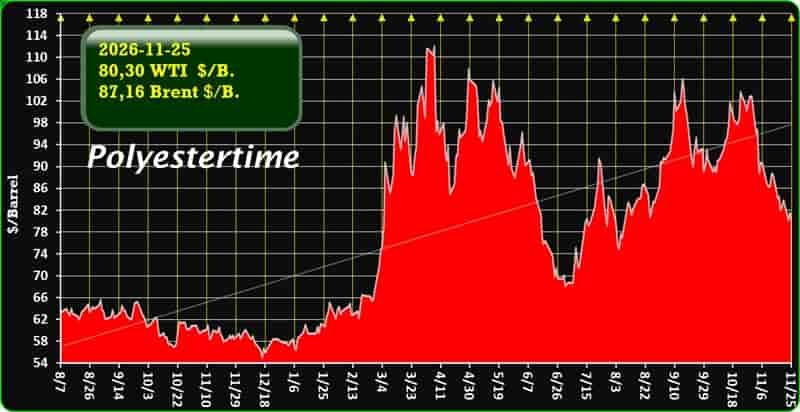
US-Iran War Oil Prices: Why Brent Trades Near $87 and WTI Around $80
MORE…