Severe Recycled Polyolefin Supply Deficit Threatens European 2030 Packaging Targets
Severe Recycled Polyolefin Supply Deficit Threatens European 2030 Packaging Targets
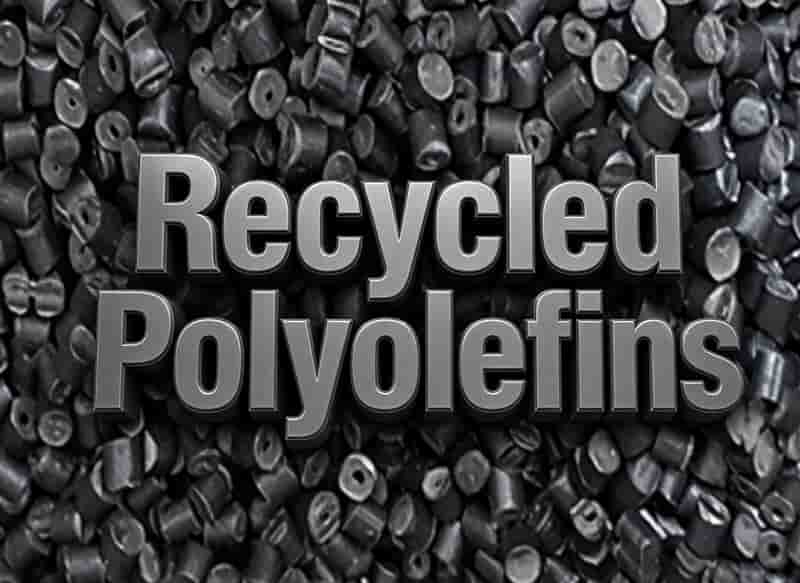
Europe’s packaging value chain faces a looming structural bottleneck as mandatory circularity rules draw closer. Without a rapid acceleration in capital investment across collection, sorting, and reprocessing infrastructure, domestic production of high-grade recycled polyolefins will fall nearly 2 million tonnes short of the volumes needed to satisfy European Union Packaging and Packaging Waste Regulation (PPWR) mandates by 2030. Recycled polyolefin supply deficit
Market intelligence published on November 25 and 26, 2026, by Independent Commodity Intelligence Services (ICIS) underscores the widening chasm between legislative ambition and industrial reality. To comply with binding 2030 recycled-content quotas for packaging manufactured within the bloc, European converters will require approximately 3.4 million tonnes of suitable recycled polyolefins annually. Current capacity trajectories leave more than half of that requirement uncovered, creating acute procurement risks for brand owners and packaging producers. Recycled polyolefin supply deficit
The Quality Bottleneck in European Polyolefin Recycling
Meeting the 3.4-million-tonne threshold is not merely a question of total recycling tonnage. Packaging applications—particularly blow-moulded containers, flexible films, and sensitive contact packaging—demand consistent melt flow index , low odor, and strict color specifications. Recycled polyolefin supply deficit
Across Europe, recyclers continue to navigate severe operational headwinds, including elevated energy expenses, plant closures, and volatile downstream demand. While lower-grade mixed or dark-colored recyclates can find outlets in construction pipes or industrial pallets, food-grade and natural-colored resins remain structurally scarce. Furthermore, the PPWR allows the European Commission to review and adjust recycled-content quotas only under exceptional circumstances where severe supply shortages or extreme price spikes endanger food supply, public health, or the environment—meaning converters cannot rely on regulatory leniency as a baseline strategy. Recycled polyolefin supply deficit
Price Volatility and the Virgin Resin Disconnect
To help buyers and sellers navigate these structural imbalances, ICIS has introduced an 18-month forward-looking price forecast covering European recycled polyethylene (rPE) markets, spanning both recycled high-density polyethylene (rHDPE) and recycled low-density polyethylene (rLDPE).
Historical pricing data highlights how sharply high-purity recyclates have decoupled from conventional fossil-based polymers:
-
Natural rHDPE Premiums: Between 2021 and 2026, annual price premiums for natural, blow-moulding grade rHDPE pellets over virgin HDPE ranged from roughly €400 per tonne to €1,100 per tonne.
-
rLDPE Margin Swings: Over the same multi-year period, high-quality natural transparent rLDPE grades fluctuated dramatically, swinging between substantial premiums and steep discounts relative to virgin LDPE depending on seasonal feedstock availability and converter restocking cycles.
-
Multi-Grade Tracking: The new fortnightly outlook models monthly average prices across five benchmark streams, including rHDPE natural blow-moulding pellets, pipe-grade black pellets, and mixed-color post-consumer bales, alongside rLDPE flexible natural transparent pellets (MFI 0.8–1.5) and flexible post-commercial natural bales.
Beyond simple supply-demand ratios, forward pricing is increasingly shaped by divergent national Extended Producer Responsibility
fee structures, tighter cross-border waste shipment rules, and fluctuating virgin naphtha and ethylene feedstock costs. Recycled polyolefin supply deficit
Regulatory Scrutiny and Industrial Adaptation
Policy mechanisms surrounding how recycled content is calculated, verified, and audited remain under intense regulatory examination. Following the European Commission’s call for evidence on PPWR recycled-content methodologies—which closed stakeholder submissions in mid-September 2026—market participants are awaiting clearer rules on mass-balance accounting for chemical recycling and verification standards for imported recyclates.
At the same time, major consumer goods manufacturers are accelerating technical trials to prove that high-PCR flexible packaging can meet commercial line speeds without sacrificing mechanical integrity. In one notable commercial collaboration, skincare brand Nivea partnered with ExxonMobil Signature Polymers, waste management firm Green Worms, and converter Vardhaman Polypacks to incorporate post-consumer recycled polyethylene into collation shrink film. Engineered using circular resin formulations sourced from varied flexible waste streams, the resulting film demonstrated stronger tensile performance than incumbent virgin film while preserving puncture resistance during secondary transport packaging. Recycled polyolefin supply deficit
Strategic Takeaways for Packaging Converters
Despite successful commercial pilots, scaling niche technical wins into 3.4 million tonnes of reliable annual European supply requires immediate structural action. Industry analysts note that recycled and bio-based materials currently represent roughly 8% of global polyethylene demand and 6% of polypropylene demand, with long-term scenarios projecting those shares to exceed 30% by mid-century only if upstream sorting and advanced recycling technologies scale rapidly.
For European converters and brand owners preparing for 2030, securing compliant polyolefin supply increasingly depends on multi-year offtake agreements with certified recyclers, early redesign of packaging structures for mono-material recyclability, and granular forward price monitoring to hedge against recurring virgin-to-recycled spread volatility. Recycled polyolefin supply deficit
European Recycled Polyethylene Price Forecast: Market Shifts and Regulatory Drivers Ahead
More…