Revolutionary AI Plastic Recycling Facility Hits Major Milestone in Austria
Revolutionary AI Plastic Recycling Facility Hits Major Milestone in Austria
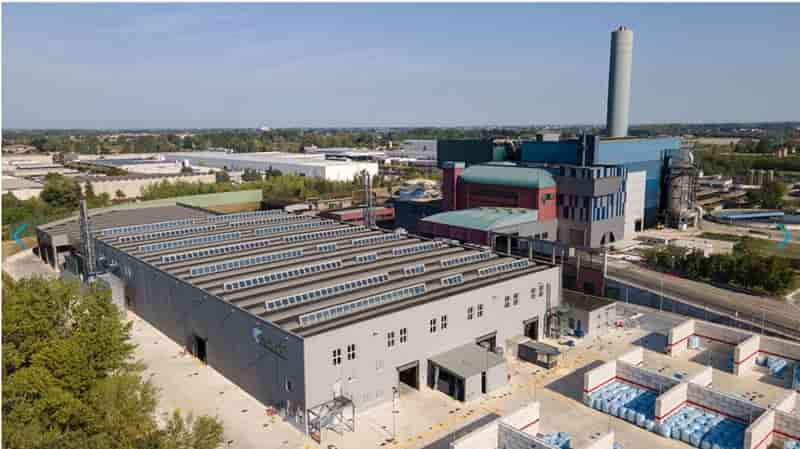
Europe’s path toward a closed-loop circular economy reached a significant benchmark as construction crews completed the structural shell of the new “Sort4cycle” recycling plant in Ennshafen, Upper Austria. Just five months after breaking ground in April, partners Altstoff Recycling Austria AG (ARA), Bernegger GmbH, and GreenDot hosted a traditional topping-out ceremony to celebrate the milestone alongside regional leaders and project engineers.
The facility represents a major leap forward for industrial waste management across the continent. By integrating artificial intelligence directly into the secondary sorting process, the joint venture addresses long-standing limitations in recovering mixed, contaminated, or fine-particle plastic waste streams that were previously incinerated for energy recovery.
Breaking Beyond Traditional Mechanical Recycling Limits
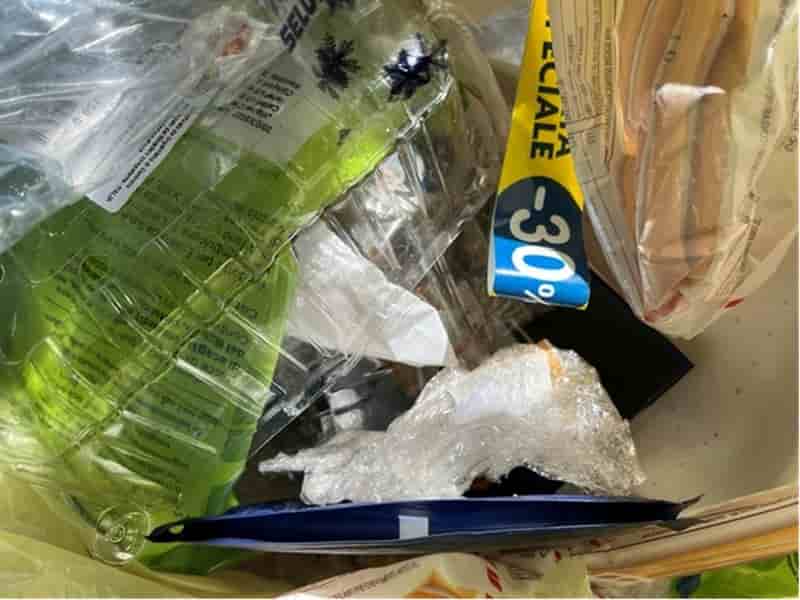
For decades, conventional mechanical recycling systems have struggled to handle mixed or heavily contaminated post-consumer materials. The Sort4cycle project bridges this gap by merging two cutting-edge technologies: ARA’s patented UPCYCLE process and a novel AI-based Advanced Scale secondary sorting mechanism.
The artificial intelligence model dynamically identifies and classifies fine-particle and complex material fractions that standard optical sensors miss. By isolating these previously unrecoverable polymers at high purity levels, the facility can transform low-grade waste into high-value secondary raw materials suitable for demanding applications—including food-grade packaging.
Strategic Synergies at the Ennshafen Industrial Hub
Location played a decisive role in the design and planning of the new installation. Built directly adjacent to the existing TriPlast plastics sorting facility, Sort4cycle benefits from established logistical infrastructure and immediate access to input material.
Since 2024, the neighboring TriPlast plant has processed approximately 100,000 tonnes of regional plastics collected via domestic yellow bag and yellow bin collection programs. Sort4cycle acts as a direct secondary processor for this material, taking residual fractions that would otherwise be lost to energy recovery and re-routing them back into manufacturing supply chains. AI plastic recycling facility
Key Operational Figures for the Ennshafen Site:
-
Target Annual Capacity: Processing up to 41,000 tonnes of complex plastic fractions per year.
-
Operational Timeline: Full plant commissioning slated for mid-2027.
-
Economic Impact: Creation of over 20 specialized green technical jobs in Upper Austria.
-
Adjacent Processing Power: Direct integration with TriPlast’s 100,000-tonne primary sorting capacity.
Meeting Tightening European Union Regulations
The timing of the project aligns with increasingly strict packaging and packaging waste regulations across the European Union. As legislators demand higher percentages of recycled content in consumer goods, industrial suppliers face growing pressure to secure stable supplies of high-grade recyclates.
State officials and environmental representatives emphasize that industrial infrastructure must scale up rapidly to meet these legal and ecological mandates. By establishing scalability and process stability early, projects like Sort4cycle safeguard regional supply lines for secondary polymers while reducing reliance on fossil-fuel-derived virgin plastics.
Next Steps Toward the 2027 Operational Launch
With the external shell now standing complete, construction efforts will pivot to indoor technical integration. Over the next several quarters, engineering teams will install the heavy processing equipment, secondary optical sensors, and AI computing hardware required for testing.
When full operations commence in mid-2027, the Ennshafen facility will serve as an operational model for scalable, AI-assisted circular infrastructure throughout Central Europe.