Automotive – World’s First Hydrogen-Powered Plasma Torch Melts Plastic Waste in 0.01 Seconds A team of South Korean researchers has unveiled a groundbreaking solution to one of the planet’s biggest challenges: plastic waste 08-08-2025
Automotive
Polyurethane Recycling – Dow and Gruppo Fiori Develop Breakthrough Polyurethane Recycling for Automotive Waste Collaboration enables simplified recovery of polyurethane foam from end-of-life vehicles, advancing circularity in the mobility sector
More…
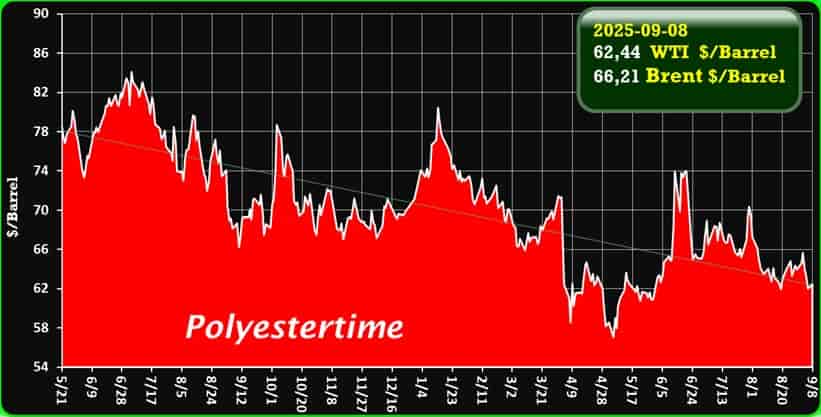
Crude Oil Prices Trend
? World’s First Hydrogen-Powered Plasma Torch Melts Plastic Waste in 0.01 Seconds
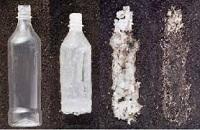
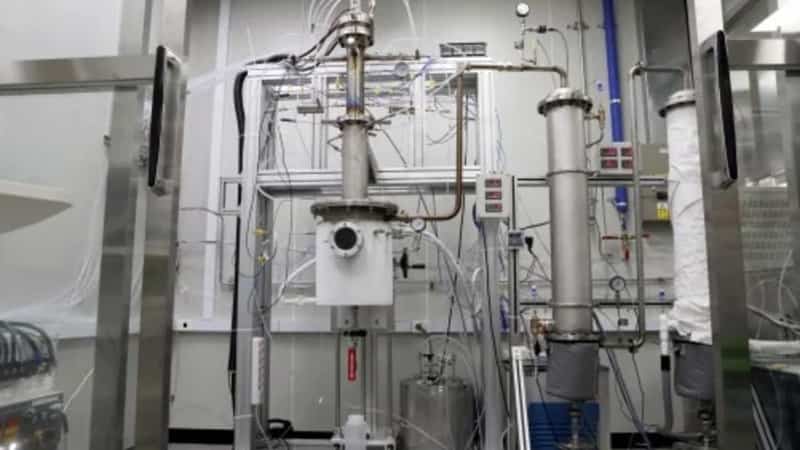
A team of South Korean researchers has unveiled a groundbreaking solution to one of the planet’s biggest challenges: plastic waste. Using hydrogen-powered plasma torch technology, plastics can now be broken down in less than 0.01 seconds — producing raw materials that are over 99% pure and ready to be reused in new plastic production.
Revolutionary Technology
The new plasma torch was developed by a consortium led by the Korea Institute of Machinery and Materials (KIMM). This innovation eliminates the costly and time-consuming step of sorting plastics before recycling, tackling one of the biggest bottlenecks in current recycling systems.
“For the first time worldwide, we have secured a process that can economically convert mixed waste plastics into raw materials,” said Dr. Young-Hoon Song, the head of the program. “Through demonstration and commercialization, this will help solve both waste and carbon issues simultaneously.”
⚡ How the Process Works
Plasma is a highly energized state of matter, often described as the “fourth state” beyond solid, liquid, and gas. This process uses plasma heated up to 2,000°C (3,600°F) to decompose plastic waste in microseconds. Automotive
Unlike conventional chemical recycling methods, which rely on pyrolysis at 450–600°C, this plasma-based method works at far higher temperatures and decomposes plastics into targeted chemical building blocks with minimal by-products.
? Advantages Over Traditional Methods
- Ultra-fast decomposition: Plastics are broken down in under 0.01 seconds.
- High selectivity: Converts waste into ethylene and benzene with 70–90% selectivity.
- Purity: After purification, raw materials are over 99% pure.
- Stability: Hydrogen fuel prevents carbon soot formation, ensuring continuous operation.
- Versatility: Even waxy residues from other recycling processes can be transformed with over 80% efficiency. Automotive
? Economic and Environmental Impact
Recycling rates for plastics remain very low worldwide due to sorting challenges and economic inefficiencies. By skipping the sorting step and achieving high selectivity, this technology drastically reduces costs.
More importantly, because it runs entirely on hydrogen — and can eventually use green hydrogen — the process could become carbon-free, reducing both plastic waste and greenhouse gas emissions simultaneously.
Toward Commercialization
The project is a collaboration between KRICT, KITECH, KIST, and several universities.
Pilot operations already suggest that producing ethylene via this method is cost-competitive with fossil fuel–based sources. Long-term demonstration operations are scheduled for 2026 in South Korea, paving the way for industrial-scale use.
Future Potential
Dr. Dae Hoon Lee, one of the lead researchers, emphasized that the team developed several sub-technologies that could extend beyond plastic recycling. These include greenhouse gas treatment in semiconductor and display manufacturing, as well as processes for high-value material production. Automotive
This positions the plasma torch innovation as not just a recycling solution, but a platform technology with broad industrial applications.
? Global Context
This isn’t the only major advance in the fight against plastic waste. At Northwestern University, chemists recently unveiled a method to directly convert stubborn single-use plastics into fuels, waxes, and lubricants without sorting. Together, these breakthroughs suggest a new era of circular plastic economies.
✅ Conclusion
The hydrogen-powered plasma torch represents a game-changing leap forward in sustainable recycling. Automotive
By delivering high-purity raw materials, eliminating sorting, and offering a path to carbon-free operations, this innovation could become a cornerstone technology in solving both the plastic waste crisis and climate change challenges.
As pilot operations move toward full commercialization, the world will be watching South Korea’s leadership in the race to turn plastic waste into valuable resources in the most efficient and environmentally responsible way possible.
? Amcor to Showcase Innovation & Sustainability at Fachpack
Amcor, a global leader in sustainable packaging, is preparing to showcase its versatility at Fachpack 2025, taking place in Nuremberg, Germany from to . Visitors can find Amcor at Stand 310, Hall 6, where the company will highlight solutions that combine aesthetics, functionality, and sustainability.
✨ Highlights at the Stand
Amcor will present a wide selection of innovations including:
- Reusable cups and lids
- Lightweighted food containers
- New closure systems like the Modena Flip Top
- Containers with recycled plastics
- Films for primary, secondary, and tertiary packaging
“Sustainability remains a major consideration, but functionality, convenience, aesthetics, and branding are equally essential.” – Philipp Richter, Amcor
? Sustainability & CleanStream® Technology
One of the key highlights is Amcor’s proprietary CleanStream® technology. This breakthrough process produces domestically recovered, mechanically recycled polypropylene (PP), making it suitable for contact-sensitive, homecare, and industrial applications. Automotive
By integrating advanced recycling methods, Amcor helps brands meet ambitious environmental targets while maintaining quality and safety.
☕ Reusable Cups & Lids
With demand rising for alternatives to single-use packaging, Amcor is introducing its reusable cups range. These cups are:
- Dishwasher safe and lightweight
- Durable with a premium-quality feel
- Designed for both on-site and takeaway use
- Recyclable at end-of-life where facilities exist
They also provide excellent branding opportunities thanks to customizable design options.
? Closure Innovations
Amcor will showcase its extensive closure portfolio, including the new Modena Flip Top TE closure. Features include:
- Mono-material lightweight construction for recyclability Automotive
- Seamless tamper-evident (TE) feature built into the flip-top
- Easy one-handed opening with captured TE tabs to avoid littering
- Multiple orifice sizes for controlled pouring
Additional innovations include the Sava Flip Top for sauces, plus Sunny and Pical Pouring closures for edible oils.
? Containers & Politainer
Amcor’s container solutions are designed for both food and non-food applications, emphasizing recyclability and reduced weight. A highlight is the Politainer, which provides:
- Safe transport for chemicals, inks, pharmaceuticals, and cosmetics
- Polyethylene inner container within a sturdy cardboard outer
- Up to 75% plastic reduction compared to rigid plastic
- Flat-packed shipping for supply chain efficiency Automotive
? Flexible Packaging Solutions
Amcor’s flexible packaging portfolio supports markets including nutrition, health, beauty, wellness, and industrial sectors. Key highlights include:
- NorDiVent® ventilated FFS film – with up to 50% PCR, dust-free filling, and outdoor storage capability.
- Industrial films – offering durability, tear resistance, and high printability.
- Single wound sheets – robust performance with PCR integration.
? Pallet Protection & Stabilization
For logistics, Amcor presents high-performance films for load stability:
- Stretch Hood films – excellent elasticity, puncture resistance, and barcode clarity with up to 30% PCR. Automotive
- Bontite® stretch wrap – blown film with up to 300% stretch, 30% PCR, and cost efficiency.
- Stratos™ cast film – ultra-lightweight for reduced material usage and improved sustainability.
♻️ Recycle-Ready Packaging
Amcor is pushing recyclable design in food and beverage packaging with solutions such as:
- Mono-material films replacing PET/PE laminates
- Omni® Xtra+ cling film – a polyethylene alternative to PVC with high clarity
- Collation shrink films with PCR content for pack integrity
These solutions show how functionality and environmental responsibility can go hand in hand. Automotive
Amcor’s showcase at Fachpack underscores its commitment to delivering packaging that is innovative, sustainable, and designed with both businesses and consumers in mind.
High-Performance & Sustainable: Birla Carbon Highlights Carbon Black Portfolio at Global Polymer Summit 2025
Key highlights
Birla Carbon — a global leader in carbon-based materials — will present its latest portfolio of high-performance carbon blacks and sustainable materials at the Global Polymer Summit 2025 in Cleveland (Sept 8–11). Automotive
The company will emphasize durability, fuel-efficiency improvements for tires, processing advantages, and scalable sustainable offerings.
“Innovation and sustainability go hand in hand… our Continua™ SCM range enables scalable, consistent circular solutions that help customers increase recycled content without compromising performance.” — John Davidson, Chief Sales, Marketing & Sustainability Officer.
⚙️Products on display
At Booth 829, Birla Carbon will demonstrate flagship lines engineered for tire, rubber and MRG (mechanical rubber goods) applications:
- Raven® grades — surface-finish and processing for premium rubber applications. Automotive
- Conductex® grades — tailored conductivity / resistivity for electrical and static-dissipative parts.
- Specialty grades emphasizing fatigue resistance, improved compounding and Class A surface finish.
These product claims are positioned to help formulators reduce wear, improve rolling resistance (fuel efficiency), and simplify processing — all measurable KPIs in tire engineering.
♻️Continua™ SCM: scalable circular solutions
Continua™ Sustainable Carbonaceous Materials (SCM) is Birla Carbon’s range of consistent, regulator-compliant sustainable products. Continua™ aims to:
- Enable higher recycled content in formulations.
- Reduce homologation cycles via consistent product specs.
- Provide large-volume availability and blending flexibility.
The value proposition: supply security and performance parity with conventional carbon blacks while lowering lifecycle footprint. Automotive
Global supply & regulatory compliance
Birla Carbon operates across 14 countries with 17 manufacturing sites and three technology centers (Marietta, Taloja, Sambreville). This footprint supports:
- Regional supply security for large-volume customers.
- Regulatory compliance across key markets (EMEA, APAC, Americas).
- Local technical support to accelerate product rollouts.
Technical & performance notes for formulators
For engineers and product teams, the headline benefits to test and validate during formulation:
- Fatigue resistance: improved compound durability under cyclic loads.
- Electrical properties: controlled resistivity or conductivity for safety-critical parts. Automotive
- Surface finish: Class A appearance for visible rubber parts.
Tip: document baseline vs. new grade using consistent test methods (e.g., DIN/ASTM standards) to reduce homologation time.
Contact & next steps
Visit Birla Carbon at the Global Polymer Summit 2025 — Booth 829 (Huntington Convention Center, Cleveland). For press queries:
Birla Carbon — Media Contact:
Roysten Dmello
More info: birlacarbon.com ?

Ascend Elements Produces >99% Pure Recycled Lithium Carbonate at Commercial Scale, Aiming for 15 Kilotons Per Year Across U.S. and Europe by 2027
Summary at a glance
Ascend Elements has announced the first commercial-scale production of >99% pure recycled lithium carbonate (Li₂CO₃) extracted from black mass — the concentrated powder recovered from spent lithium-ion batteries. The company operated a 3 kiloton-per-year recovery line in Covington, Georgia, and aims to exceed 15,000 metric tons per year across the United States and Europe by 2027. Automotive
Production capacity & locations
Current demonstration: a 3,000 metric-ton-per-year lithium recovery line in Covington, Georgia.
Planned: expanded U.S. capacity plus a state-of-the-art facility and recovery line in Europe to reach >15,000 metric tons/year by 2027.
| Line | Location | Capacity (metric tons/year) |
|---|---|---|
| Commercial recovery line | Covington, GA, USA | 3,000 |
| Planned U.S. & EU facilities | United States & Europe | >15,000 (2027 target) |
Why this matters to supply chains and energy security
Lithium carbonate is essential for lithium-ion batteries and is listed as a critical mineral. The U.S. and Europe are heavily import-dependent today. Producing high-purity lithium from recycled battery materials helps localize supply chains, reduce geopolitical risk, and accelerate electrification. Automotive
“Ascend Elements is at the center of three macro trends: Electrification, localization and critical minerals. Our production of recycled lithium carbonate is an important milestone across all three of these trends.” — Linh Austin, President & CEO
?Environmental impact — lifecycle advantages
A lifecycle assessment referenced by Ascend Elements shows significantly lower emissions and particulate pollution vs. traditional mining: large reductions in CO₂e and PM2.5 compared to spodumene mining and Chilean brine extraction. The company aims to push those gains even further through decarbonization efforts by 2030. Automotive
Technology & process highlights
The company converts black mass into high-purity Li₂CO₃ and produces cathode precursor active materials using a patented Hydro-to-Cathode® direct cathode precursor synthesis. The approach is designed to be more efficient than traditional pathways and to lower total carbon emissions per unit of product.
Quick takeaway & next steps
Ascend Elements’ commercial-scale production of >99% pure recycled lithium carbonate marks a notable step toward localized, lower-carbon battery supply chains.
For publishers: keep content short, structured, and instrumented—use tables, schema, and mobile-first performance best practices so both users and machines can consume this story quickly. Automotive
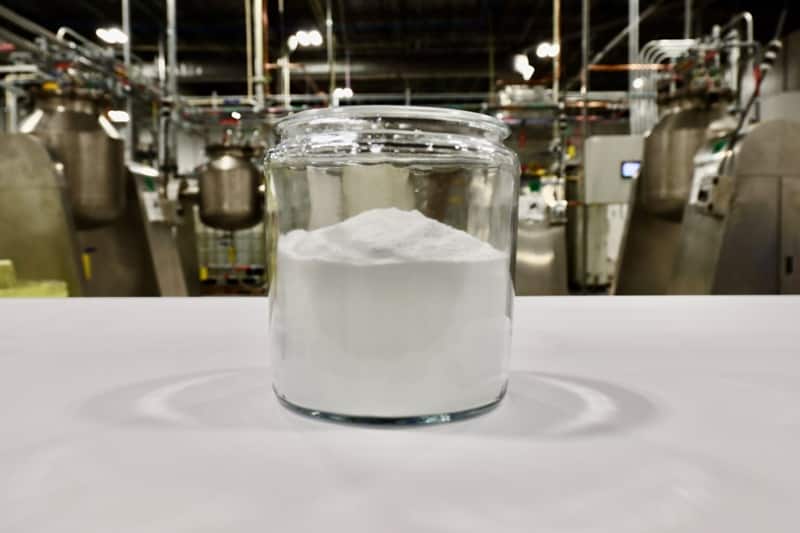
A research team at Kobe University has engineered a new biodegradable polymer called PDCA that offers the environmental advantages of degradable plastics without sacrificing strength.
Made using bacterial biosynthesis, PDCA promises applications from packaging to textiles — and it may help reduce plastic waste piling up in landfills and oceans. Automotive
What is PDCA and why it matters
PDCA is a biodegradable plastic synthesized by bacteria. Unlike traditional plastics derived from petroleum — which are durable but persistent in the environment — PDCA breaks down through natural biological processes when disposed of properly. Importantly, tests show PDCA can exceed the tensile strength of polyethylene terephthalate (PET), the common plastic used for bottles and some textiles. That combination — strength plus biodegradability — makes PDCA a potentially transformative material for sustainable product design.
How PDCA is created
Researchers use specific bacterial strains as micro-factories. These microbes convert renewable feedstocks into long-chain PDCA polymers through controlled biosynthetic pathways. The resulting polymer is then purified and processed much like conventional plastics. Because production uses biological systems instead of fossil feedstocks, PDCA has the potential to lower carbon intensity over its lifecycle — provided feedstock sourcing and processing are optimized. Automotive
Environmental benefits
- Biodegrades under composting or microbial-rich conditions — reduces long-term pollution.
- Possible lower greenhouse gas footprint if produced from renewable inputs.
- Supports circular design strategies when paired with proper collection and composting infrastructure.
Potential applications
Because PDCA can match or exceed PET strength, it can be used for:
- Bottle and container manufacturing
- Textile fibers and nonwovens Automotive
- Durable consumer goods that benefit from biodegradability
Comparing PDCA and PET
PET is lightweight, heat-resistant, and cheap — but it’s derived from non-renewable petroleum and persists for decades. PDCA aims to keep the practical strengths (pun intended) of PET while adding biodegradation pathways. Real-world adoption will hinge on cost parity, scalable production, and standards for composting and recycling so PDCA doesn’t end up contaminating current recycling streams. ♻️
Design, readability, and trust signals
Keep paragraphs short, use subheads, and add visual hierarchy (bold key facts, use lists). Include an author byline, publication date, and links to primary sources (e.g., the university publication or paper) to improve credibility. If available, add downloadable assets (figures or PDFs) with clear licensing. These UX touches help readers and also assist LLMs in finding verifiable, citable facts. Automotive
Tracking, reuse, and editorial strategy
Instrument the page with privacy-focused analytics (server-side or consent-based client-side) and use UTM parameters for campaigns. Save canonical article templates, schema blocks, and CSS utility classes in a theme partial so future posts about materials science reuse consistent structure — this improves site-wide NLP signals and speeds editorial production.
??What to watch next
Key factors for PDCA adoption include production costs, regulatory approvals, and waste management practices. Watch for pilot projects, industry partnerships, and lifecycle assessments that benchmark PDCA against PET and other bio-based polymers. If the material scales affordably and waste systems adapt, PDCA could become a practical step toward reducing plastic pollution. Automotive