Biodegradable plastics – SyntheticGestalt KK, Asahi Quality and Innovations (AQI), and the Institute of Science Tokyo have launched a research initiative in 2024 focused on developing AI-powered PET bottle recycling technology called “Bio-Recycling 10-01-2025 - Archive
Biodegradable plastics
Crude Oil Prices Trend

SyntheticGestalt KK, Asahi Quality and Innovations (AQI), and the Institute of Science Tokyo have launched a research initiative in 2024 focused on developing AI-powered PET bottle recycling technology called “Bio-Recycling
” The project aims to establish new recycling standards that minimize environmental impact and reduce costs.
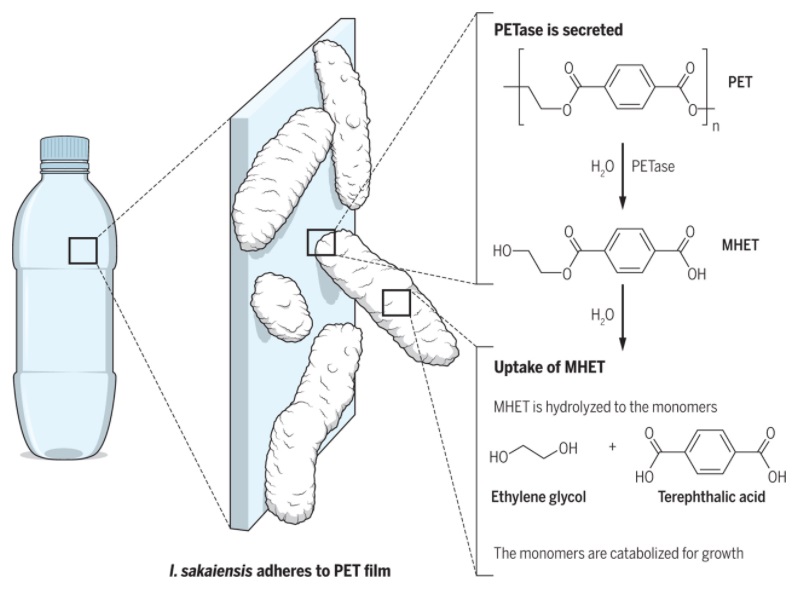
“Bio-Recycling” differs from traditional chemical recycling by using bio-derived enzymes for the decomposition of PET materials, instead of chemical processes. This enzymatic approach allows recycling at room temperature and pressure, potentially overcoming the limitations of conventional methods.
The focus is on discovering highly efficient PETase enzymes that can break down PET materials and enable re-polymerization into new PET resin. Biodegradable plastics
SyntheticGestalt utilizes its advanced AI technology to explore a library of 250 million gene sequences, identifying novel PETase enzymes with potential for high functionality. With previous successes in discovering new enzymes, the company is also part of the Ministry of Economy, Trade and Industry’s (METI) GENIAC program and has developed the world’s largest molecular-based AI model.
AQI, drawing on Asahi Group Holdings’ beverage business, will evaluate the commercial application of these enzymes to support the group’s goal of using recycled or bio-based materials by 2030. Science Tokyo’s Fujishima and Terasaka laboratories will lead experimental efforts, applying molecular evolution engineering to enhance enzyme activity.
The project has already identified ten promising PETase candidates and aims to develop demonstration-scale plants by 2026, advancing sustainable PET bottle recycling technologies. Biodegradable plastics
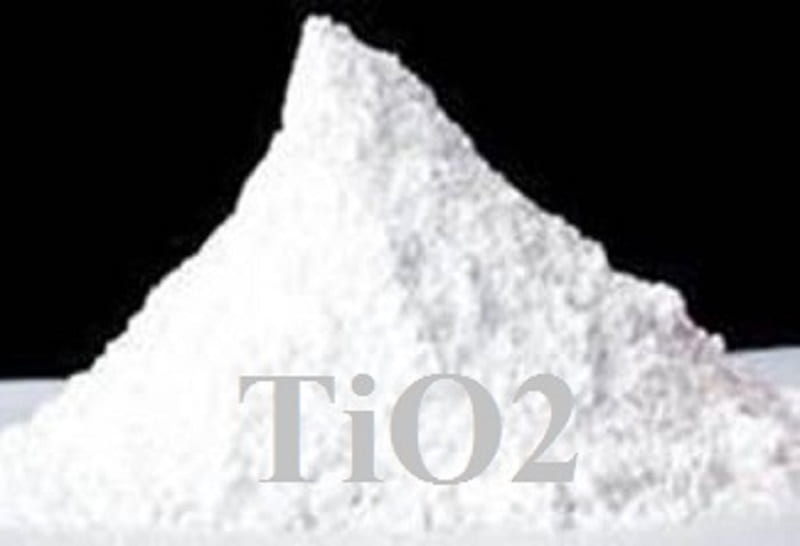
The European Commission has implemented definitive anti-dumping duties on titanium dioxide (TiO2) imports from China, following an investigation that revealed unfair pricing practices that harmed the EU industry
These duties, ranging from €0.25 to €0.74 per kilogram, are designed to protect the EU’s TiO2 sector, which employs nearly 5,000 people across Europe, while balancing the needs of TiO2 users who rely on the material in their manufacturing processes.
Previously, in July 2024, provisional duties were applied, but the Commission adjusted the measures based on feedback from European users. To ease the impact on downstream industries, an exemption was introduced for graphic TiO2 used in printing ink production.
Titanium dioxide is a critical raw material, predominantly used as a white pigment in industries such as paints, coatings, plastics, and paper laminates for furniture production. These protective measures are intended to ensure fair competition while minimizing disruption to European manufacturers reliant on TiO2. Biodegradable plastics
The Dutch plastics recycling sector appears to be facing significant challenges, as highlighted by a series of bankruptcies, including the recent closure of Stiphout Plastics
This company, which employed 25 people and specialized in recycling plastic waste into polypropylene (PP) and high-density polyethylene (HDPE) flakes, filed for bankruptcy in mid-December
Despite its acquisition by LyondellBasell in 2023, it succumbed to the pressures affecting the industry.
At least five other companies—Umincorp, Ecocircle, TRH Emmen, Ioniqa, and Vinylrecycling—also closed their doors in the past year, raising questions about the sector’s overall viability.
Key Challenges Facing the Sector:
- Low Cost of Virgin Raw Materials: Virgin plastics are currently cheaper than recycled materials, reducing the demand for the latter. Biodegradable plastics
- International Competition: Increased imports of regenerated materials, particularly from Asia, are adding to market pressures.
- Economic Viability: Higher operational costs in Europe compared to other regions make it difficult for local recyclers to remain competitive.
Wider Implications:
These closures underline broader concerns expressed by Plastics Recyclers Europe, which has warned about the structural vulnerabilities of the sector. Despite regulatory efforts to encourage recycling within the EU, the economic dynamics continue to favor virgin materials and imported recycled products, undermining local industries.
Outlook:
While there is some hope that Stiphout Plastics might restart operations, the broader trend suggests that without significant policy changes or market shifts, the Dutch plastics recycling industry could face further challenges. Biodegradable plastics

Sustainable Yogurt Packaging: The Future with rPET
ALPLA, in collaboration with ENGEL, Brink, iPB Printing, and INTOPACK, is pioneering thin-walled yogurt cups made from recycled PET (rPET). This innovation aligns with the EU’s Packaging and Packaging Waste Regulation (PPWR), requiring food packaging to include recycled materials by 2030 to avoid penalties. Traditional PP and PS dairy cups lack approved recycled alternatives, making rPET a game-changer.
Leveraging the rePETec process, ALPLAinject has developed fully recyclable cups using up to 100% rPET via a single-stage injection molding technique. These cups surpass the 30% recycled content mandate of PPWR, utilizing PET’s robust recycling infrastructure. “With rePETec, we achieve thin-walled, stable rPET packaging, integrating seamlessly into the PET recycling stream,” says Thomas Maibohm, Head of Sales at ALPLA.
Starting Q4 2025, ALPLA and INTOPACK plan series production of 180ml and 300ml cups, expanding to sizes between 100ml and 500ml based on demand. The cups’ ultra-thin 0.32mm walls and integrated in-mold labeling (IML) minimize material use while enhancing barrier properties. This extends shelf life, reduces food waste, and strengthens regional circular economies. Biodegradable plastics
ALPLA supplies high-quality rPET from its European recycling plants, creating a closed-loop system that balances sustainability with efficiency. This innovative solution offers dairy manufacturers eco-friendly, regulation-compliant packaging and new opportunities for product preservation.
Further information: alpla.com/de/produkte-innovationen/innovationen/repetec

Donut-Shaped Electric Motor Revolutionizes Mobility
Donut Lab’s innovative electric motor integrates directly into wheels, offering significant advancements in efficiency and power. Weighing only 40 kg, this motor can produce up to 845 HP, eliminating traditional transmission shafts and other mechanical components.
In-wheel motors have long been researched but faced adoption challenges due to added weight in wheels, where minimizing mass is crucial. However, Donut Lab’s design, showcased at CES 2025, overcomes these issues. Its compact and lightweight structure, achieved with 120 fewer components, makes it cost-effective and efficient. Biodegradable plastics
Key benefits include precise power delivery due to the direct engine-to-rim connection and reduced overall weight by removing transmission shafts. With just 40 kg per motor, unsprung mass impact is minimal, even when using two or four units for all-wheel drive.
The motor fits into a 21-inch rim and delivers impressive performance: 845 HP and 4,300 Nm torque. A four-wheel-drive setup could potentially achieve 3,380 HP and 17,200 Nm torque.
Specifications:
- Diameter: 21 inches
- Weight: 40 kg
- Max Power: 845 HP
- Max Torque: 4,300 Nm
Donut Lab is also diversifying applications, including a 272 HP version for commercial vehicles, a 22 HP motor for scooters, and even a 4 HP design for drones. This breakthrough could redefine electric mobility across industries. Biodegradable plastics

This is our time: Working on biodegradable plastics
Plastic is long-lasting, versatile, and inexpensive to produce. Unfortunately, it is also often bad for the environment. A team of talented researchers has created an AI model that makes developing a new biodegradable plastic a lot easier. Meet Milad Golkaram, one of the key researchers and nominee for TNO’s Young Excellent Researcher Award 2024.
AI model
Polymers are the building blocks of plastic. Milad Golkaram’s team has created polySCOUT, a machine-learning program to develop new biodegradable polymers. ‘Our AI model predicts the chemical structure of whatever polymer we want. So, if you need a material with certain properties, you enter those properties into the model, and then the model produces a chemical structure for a suitable polymer.’ Biodegradable plastics
TNO is already using it in the field, such as in our collaboration with Senbis, a textile manufacturer. The aim is to develop biodegradable synthetic textile fibres. Milad: ‘The synthetic textiles we use a lot today produce microplastics that enter the water cycle, eventually ending up in our food and drink. Ideally, you want these microplastic particles to break down before they enter our bodies.’