Bioplastics in Textiles and Packaging: 2026 Guide
Bioplastics in textiles packaging
Bioplastics in Textiles and Packaging: The Sustainable Revolution
As global supply chains face mounting regulatory pressure and rising consumer demand for environmental accountability, traditional petro-based synthetics are being actively re-evaluated. Central to this transition is the adoption of bioplastics in textiles and packaging—a category of engineered materials derived from renewable biological sources rather than crude oil.
From high-performance athletic apparel to compostable food wraps, bio-based polymers are evolving from niche alternatives into core industrial standards. Valued at over $28 billion globally, the bioplastics sector is expanding rapidly, driven by major advancements in polymer chemistry and circular lifecycle management. bioplastics in textiles packaging
What Are Bioplastics?
To understand how bioplastics function in consumer products, it is essential to distinguish between origin and end-of-life characteristics. Bioplastics are broadly divided into two categories:
- Bio-based Plastics: Synthesized from biological feedstocks such as sugarcane, cornstarch, agricultural waste, or algae. They can be biodegradable or non-biodegradable (such as bio-PET or bio-PE).
- Biodegradable Plastics: Engineered to decompose naturally into water, carbon dioxide, and biomass through microbial action under specific environmental or industrial composting conditions.
Not all bio-based materials decompose quickly, and not all biodegradable plastics come from plants. However, the convergence of bio-based sourcing and controlled biodegradability offers a viable pathway away from fossil fuel dependency. bioplastics in textiles packaging
Bioplastics in Packaging: Driving Circular Logistics
Packaging remains the primary market application for bioplastics, capturing over half of global production capacity. Driven by strict single-use plastic bans across the European Union and North America, brands are adopting bio-based solutions to eliminate persistent waste. bioplastics in textiles packaging
Key Materials in Packaging Solutions
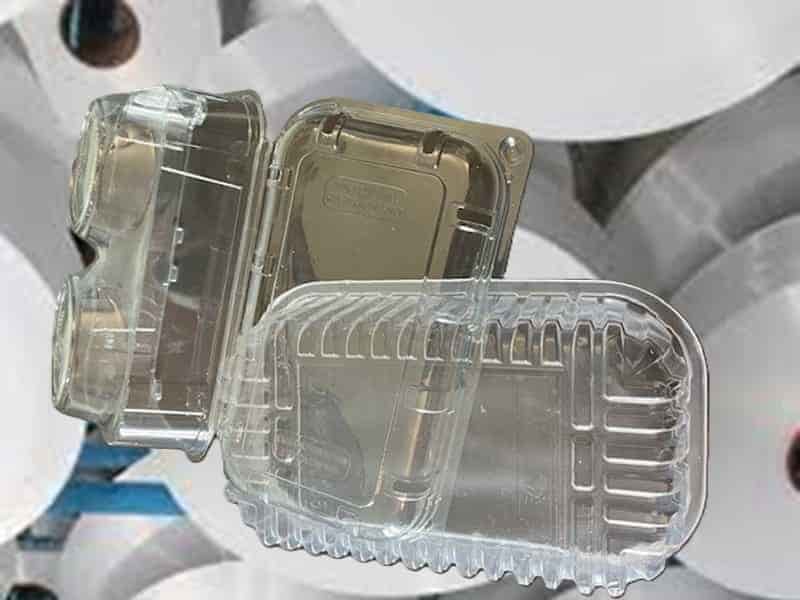
- Polylactic Acid (PLA): Derived from fermented plant starch, PLA offers clarity and rigid structure, making it ideal for food containers, cold drink cups, and protective trays.
- Polyhydroxyalkanoates (PHA): Synthesized directly by microorganisms consuming organic waste or captured carbon emissions. PHAs offer excellent gas barrier properties and natural marine degradability, serving as a primary alternative for food films and flexible packaging.
- Bio-PE and Bio-PET: Chemically identical to conventional polyethylene and polyester, these bio-based versions integrate seamlessly into existing recycling streams without degrading material quality. bioplastics in textiles packaging
Recent developments highlight the momentum in this space: in mid-2025, commercial breakthroughs produced industrially compostable flexible films using 100% renewable bio-resins. Additionally, academic-industry partnerships, such as the $8 million Bioplastics Innovation Hub in Australia, continue to scale materials designed to decompose harmlessly in soil or water.
Bioplastics in Textiles: Reimagining Synthetic Fibers
The fashion and technical textile industries are among the world’s largest contributors to synthetic microplastic pollution. Traditional polyester and nylon rely entirely on fossil fuel extraction and take centuries to breakdown in landfills. bioplastics in textiles packaging
Transforming Synthetic Fabrics
Integrating bioplastics in textiles and packaging helps solve these challenges by replacing fossil feedstocks with biological inputs:
|
Material Type |
Feedstock Origin |
Textile Application |
Environmental Benefit |
|
Bio-Polyester (Bio-PET) |
Sugarcane molasses, plant sugar |
Activewear, outerwear, fleece |
Lowers carbon footprint; fully recyclable with traditional PET |
|
PLA Yarns |
Corn, cassava, sugar beet |
Non-wovens, medical textiles, lightweight apparel |
Requires less processing energy; compostable in industrial facilities |
|
Bio-Polyamide (Bio-Nylon) |
Castor bean oil |
Automotive interiors, technical gear, durable fabrics |
High tensile strength; high bio-content reduces petroleum reliance |
Beyond reducing carbon footprints during manufacturing, bio-based textile fibers lower the long-term impact of microplastic shedding. When micro-fibers escape during domestic washing, bio-degradable variants breakdown significantly faster in aquatic systems than conventional synthetic filaments. bioplastics in textiles packaging
Key Advantages Driving Industry Adoption
The transition toward biopolymer integration is accelerated by clear operational, regulatory, and environmental incentives:
- Decarbonization: Producing bioplastics generates lower greenhouse gas emissions compared to petroleum refining.
- Regulatory Compliance: Extended Producer Responsibility (EPR) laws and single-use plastic restrictions reward companies utilizing renewable and compostable inputs.
- Resource Recovery: Industrial composting of bioplastic packaging diverts food-contaminated waste away from municipal landfills.
Challenges and Scalability Bottlenecks
Despite substantial progress, scaling bioplastics across global supply chains presents technical and economic challenges:
- Production Costs: Biopolymers remain more expensive to synthesize than subsidized petroleum alternatives.
- Feedstock Allocation: Balancing land use for bioplastic crops (such as corn and sugarcane) against food production requires ongoing optimization toward second-generation feedstocks like agricultural waste or wood pulp.
- Waste Infrastructure: Biodegradable bioplastics often require specialized high-heat industrial composting facilities, which are not universally available in every municipal region.
The Path Ahead
The future of bioplastics in textiles and packaging depends on continuous material innovation and infrastructure development. As second- and third-generation feedstocks—such as municipal organic waste, algae, and direct CO2 capture—become commercially viable, production costs will equalize with fossil fuels.
By aligning green material chemistry with dedicated recycling and composting systems, bioplastics provide a realistic bridge toward a zero-waste, circular economy.
PHA Bioplastic Gains Powerful Momentum in the U.S.
More…