Chemical recycling of polymers : Promising Chemical Recycling Breakthrough Paves the Way for Truly Circular Polymers by Transforming Complex Plastic Waste into Virgin-Quality Materials for Future Sustainability 10-11-2025
Chemical recycling of polymers
The challenge of plastic waste continues to grow, particularly as packaging formats become more complex. Conventional mechanical recycling processes face limitations in dealing with tough waste streams. In response, the concept of chemical recycling of polymers is gaining momentum as a technology capable of achieving true circularity for plastics. According to industry sources, chemical recycling involves converting polymer waste back into feedstock or monomers, enabling high-quality recycled output. SpringerLink+2Plastics Europe+2
Mechanical Recycling’s Limits
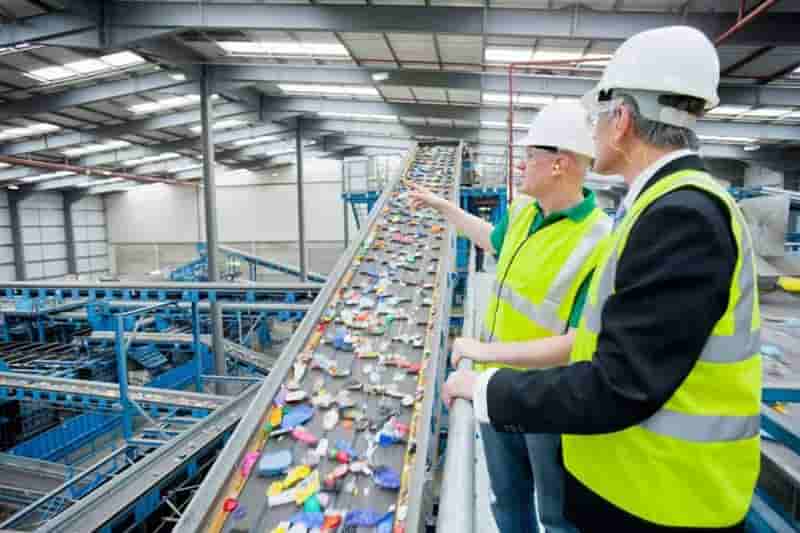
Mechanical recycling remains an important process but suffers constraints. It typically involves sorting, cleaning, shredding, melting and remolding. However, when waste contains mixed polymers, laminates or contamination, the output often degrades in quality and cannot be used for demanding applications. The need for chemical recycling of polymers emerges when mechanical pathways reach their limit.
What Is Chemical Recycling of Polymers?
Chemical recycling of polymers refers broadly to a suite of technologies that alter the chemical structure of plastic waste so that it can be reused as raw material. This includes processes such as pyrolysis (thermal cracking of polyolefins), gasification, depolymerisation (as used for polyesters), chemolysis and solvolysis. SpringerLink+2Chemical Recycling Europe+2
Such technologies allow materials previously considered unrecyclable — for example multi-layer packaging or contaminated flexible films — to enter a new recycling loop. As one fuels industry commentary states, the output from chemical recycling can be as good as virgin polymers.
Why It Matters for the Circular Economy
The circular economy for plastics depends on keeping materials in use at high value, avoiding downcycling or landfill. Chemical recycling of polymers is a key enabler because it can reclaim complex plastic waste streams, restore material quality and reduce reliance on fossil raw materials. coalition-chemical-recycling.eu+1 It complements mechanical recycling rather than replacing it, by offering a route for waste that mechanical systems cannot handle. Plastics Europe
Industry Implementation and Certification
An example of how chemical recycling is used in industry: some companies apply a “mass balance” approach certified under standards like ISCC Plus. That means if a recycler uses a certain proportion of pyrolysis-derived feedstock in its production, only that proportion of output can be claimed as circular polymer. This traceability is critical for credibility.
The chemical recycling of polymers story is increasingly backed by investment: planned investment in Europe by major players jumped from about EUR 2.6 billion in 2025 to more than EUR 8 billion by 2030.
Key Advantages of Chemical Recycling
-
Capable of processing multi-polymer plastics, laminates, and contaminated waste streams that mechanical recycling cannot efficiently handle. circulareconomyasia.org+1
-
Produces recycled polymers with properties close to virgin materials, enabling high-value applications. Plastics Europe
-
Helps close the loop by converting waste into feedstock for new polymer production, reducing landfill or incineration. ChemistryViews
Current Challenges and Barriers
Despite its promise, chemical recycling of polymers faces several significant challenges:
-
Technical complexity: Processes like pyrolysis or depolymerisation must manage varied waste feedstock, remove contaminants and yield consistent, high-quality output. SpringerLink+1
-
Energy and cost intensity: Many methods require high temperatures, catalysts or extensive purification, which adds cost and environmental burden if not optimised. RSC Publishing
-
Scale and infrastructure: To deliver impact, chemical recycling technologies must scale up, integrate into waste collection and partner with polymer producers for uptake. Sartorius
-
Regulatory and certification clarity: Ensuring recycled content claims, mass balance accounting and consumer transparency remain important for trust and market adoption.
Conclusion
Chemical recycling of polymers represents a transformational approach in the quest for a circular plastics economy. By breaking down complex or contaminated plastic waste streams and converting them back into high-quality feedstock, this method closes the loop in ways mechanical recycling alone cannot. While technical and scaling challenges remain, the trajectory is clear: investment, certification, and integration into polymer supply chains are accelerating.