Chemical recycling technology – Alterra Energy Expands Chemical Recycling Technology Licensing to Abundia, Signaling Accelerated Growth for Advanced Plastics Recycling Infrastructure Across the United States 17-12-2025
Chemical recycling technology
Alterra Energy Strengthens Its Chemical Recycling Footprint in the US
Ohio-based Alterra Energy has taken another step toward scaling advanced plastics recovery by licensing its chemical recycling technology to Houston-based Abundia Global Impact Group for two additional facilities in the United States. The agreement builds on a partnership first announced in 2021 and reflects growing momentum behind chemical recycling technology as a solution for hard-to-recycle plastics.
Under the expanded agreement, Abundia gains the right to develop and operate two new recycling sites using Alterra’s proprietary process. These projects add to an existing portfolio that includes four planned facilities across Europe and the UK, as well as one previously announced US site. The move highlights continued confidence in chemical recycling technology as part of a broader strategy to address plastic waste challenges at scale.
From Initial Plans to US-Based Development
When the original agreement was unveiled in 2021, Abundia, then operating as Houston American Energy Corp., outlined plans to launch its first recycling facility in the UK. That site was expected to process up to 40,000 metric tons of discarded plastic annually. While those early plans focused on Europe, Abundia’s most recent activity shows a strategic pivot toward the US market.
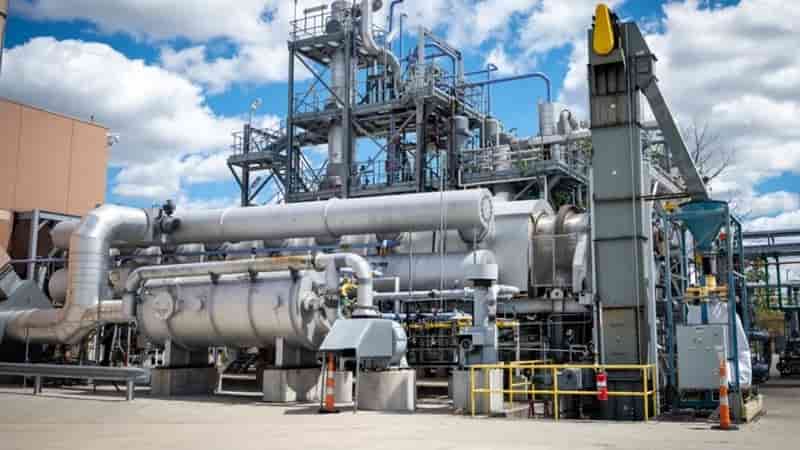
In late 2025, the company disclosed the acquisition of a 25-acre site at the Cedar Port Industrial Park in Baytown, Texas, near Houston. Shortly afterward, Abundia announced plans to begin construction in the fourth quarter of 2025 on what it describes as its first plastics recycling plant. According to company materials, the Texas project will combine chemical recycling technology with waste-to-fuel operations and include a dedicated research and development center.
How Abundia Uses Chemical Recycling Technology
Abundia’s business model centers on converting difficult waste streams into valuable products. Through chemical recycling technology, the company processes mixed and contaminated plastic waste that is unsuitable for traditional mechanical recycling. Feedstocks can include materials with up to approximately 15 percent contaminants and small amounts of PVC.
Using pyrolysis, these waste plastics are transformed into crude plastics pyrolysis oil. This output can be blended directly or upgraded for use as recycled chemical feedstocks, supporting circular economy goals within the petrochemical and refining sectors. Chemical recycling technology plays a critical role here by enabling the recovery of value from plastics that would otherwise be landfilled or incinerated.
Beyond plastics, Abundia also applies pyrolysis to biomass residues, producing marine fuels and industrial blends. These applications typically have lower quality requirements than transportation fuels or chemical feedstocks, allowing for greater flexibility in material sourcing.
Capacity and Impact at Scale
Abundia estimates that each additional facility using Alterra’s chemical recycling technology could process up to 160,000 tons of waste plastic annually. From that input, the company projects the production of roughly 105,000 tons of renewable fuels and chemical products.
If realized across multiple sites, this capacity could represent a meaningful reduction in plastic waste while supplying downstream industries with alternative feedstocks. The scale underscores why chemical recycling technology continues to attract interest from investors, policymakers, and major industrial players.
Alterra’s Growing Network of Partners
Alterra Energy has steadily expanded its influence within the advanced recycling sector. In recent years, the company has attracted investment from major chemical and energy firms, including LyondellBasell, Chevron Phillips Chemical, and Finnish refiner Neste. These partnerships signal industry-wide recognition of chemical recycling technology as a complementary pathway to mechanical recycling.
In 2023, Alterra licensed its technology to Freepoint Eco-Systems. That collaboration reached a milestone this year when Freepoint delivered its first batch of pyrolysis oil from its Hebron, Ohio facility to a Shell refinery in Louisiana. Such developments demonstrate how chemical recycling technology can integrate into existing refining and chemical infrastructure.
Site Development Challenges and Community Considerations
Despite its progress, Alterra has also faced setbacks. In August 2025, the company informed local officials in Sugarloaf Township, Pennsylvania, that it was canceling plans for a chemical recycling facility there. The decision followed changes in site terms, prompting Alterra to resume its search for a suitable location within the state.
These challenges reflect broader issues faced by chemical recycling technology projects, including permitting complexity, community engagement, and regulatory uncertainty. Site selection remains a critical factor in determining how quickly new facilities can move from planning to operation.
Policy Debate Around Chemical Recycling
The role of chemical recycling technology continues to spark debate within environmental and policy circles. During a public panel discussion earlier this year, Alterra’s head of public affairs addressed questions about whether plastics-to-fuel processes should be classified as recycling. The distinction matters, as it influences how projects are regulated and perceived.
At the federal level, recent legislative proposals aim to classify chemical recycling technology as a manufacturing process rather than waste management. Supporters argue that this change could reduce regulatory burdens and accelerate facility development, while critics raise concerns about environmental oversight and end-product use.
What the Expansion Signals for the Industry
The expanded licensing agreement between Alterra and Abundia illustrates how chemical recycling technology is moving from pilot concepts toward commercial-scale deployment. With new US facilities planned and major investors backing technology providers, the sector appears poised for further growth.
As infrastructure expands and policy frameworks evolve, chemical recycling technology may play an increasingly prominent role in managing plastic waste streams that have long lacked viable recycling options. The success of projects like those planned by Abundia will help determine how central this approach becomes in the future of plastics management.
More…