Coca-Cola India Market Share drops in Q2: Inside the Packaging & Supply Squeeze
Coca-Cola India Market Share
Why Coca-Cola Lost Market Share in India—and How It Plans to Win It Back
The Coca-Cola Company posted strong overall performance in its second-quarter earnings report, delivering a 7% increase in net revenue to $13.4 billion alongside a 6% rise in organic revenue. However, beneath these headline global numbers lies a complex challenge in one of the company’s most crucial growth regions: India.
Rising packaging costs and persistent supply chain bottlenecks forced Coca-Cola to surrender market share in India during the quarter, highlighting how vulnerable global beverage brands remain to raw material volatility.
The Dual Cost Surge: Aluminum and PET Resins
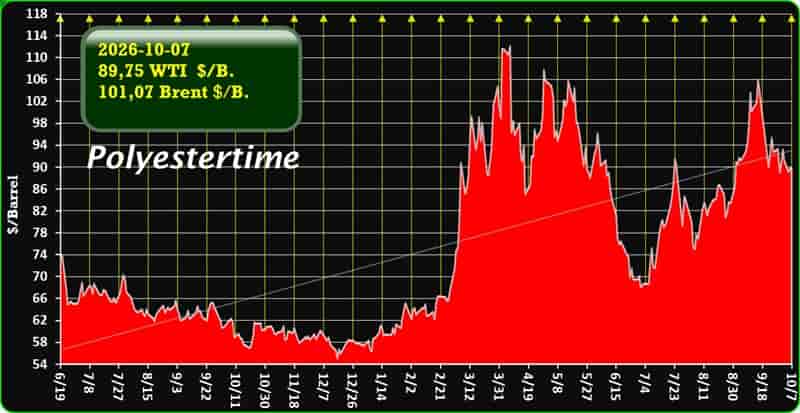
The primary driver behind the margin squeeze in India was an unanticipated escalation in raw material expenses. Prices for both aluminum—used in soft drink cans—and Polyethylene Terephthalate (PET) resin—used in plastic bottles—climbed well beyond company projections during the second quarter.
Geopolitical tensions and energy market disruptions hit the global metal supply chain, driving up raw material costs across the region. Because packaging represents a significant portion of a beverage’s unit cost, these surges squeezed profit margins and forced operational adjustments.
Soaring Demand Meets Inventory Shortages
Compounding the cost pressure was a severe supply shortage. Aluminum can availability plummeted across Indian distribution networks, leaving bottling plants unable to fully supply retail channels.
This bottleneck was especially pronounced for Diet Coke. Demand for Diet Coke in India surged nearly tenfold during the quarter, driven by shifting consumer preferences toward low- and zero-sugar options. However, because localized can inventories fell short, consumers routinely encountered empty shelves, triggering localized panic buying and leaving unfulfilled demand on the table.
Packaging Portfolio Gaps in a Price-Sensitive Market
India’s beverage market is fiercely price-sensitive, where mid-priced and single-serve entry packages dictate consumer volume. As packaging costs mounted, gaps emerged in Coca-Cola’s mid-tier pack-price architecture.
Competitors with more localized packaging pipelines or flexible price points were able to capture budget-conscious shoppers when Coca-Cola raised select prices or faced product stockouts. Without an immediate, affordable alternative on store shelves, temporary volume migrated to rival brands.
Strategic Pivots to Reclaim Market Share
Coca-Cola is actively adjusting its supply chain and product portfolio in India to recover lost ground:
-
Cross-Border Can Sourcing: To immediately alleviate local aluminum can shortages, the company began importing larger-sized aluminum cans directly from Southeast Asian manufacturing hubs.
-
Pack-Price Restructuring: Product teams are recalibrating price points and introducing updated pack sizes to bridge gaps in the mid-priced category and protect value-conscious consumers.
-
Long-Term Bottling Expansion: Despite short-term packaging hurdles, Coca-Cola’s Bottling Investments division recorded a 5% volume expansion led by India, signaling strong underlying consumer fundamentals.
While raw material spikes created a temporary setback, Coca-Cola remains optimistic about its long-term trajectory in India. By realigning its packaging options and reinforcing international supply routes, the company aims to convert surging consumer demand into sustained market leadership.
Sustainable beverage packaging – Coca-Cola’s Sicilian Bottler Launches Breakthrough Aseptic PET System Transforming Sustainable Beverage Packaging and Accelerating Carbon-Neutral Production Goals Across Local Communities Coca-Cola India Market Share
More…