Food Packaging – Alterra Technology Marks Plastic Recycling Milestone in Australia Viva Energy Geelong Refinery Successfully Trials Alterra’s Pyrolysis Oil 19-05-2025 - Archive
Rigid Packaging – Sustainability Assessment of Recycled PET Home Textiles: A Dual LCA and LCC Perspective Introduction: The Environmental Cost of Comfort

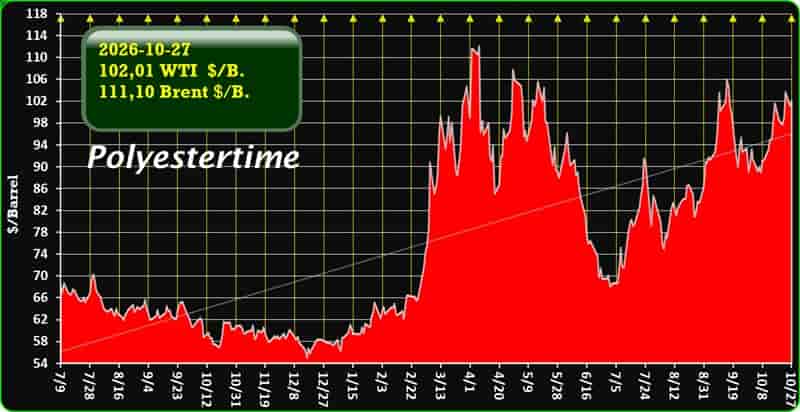
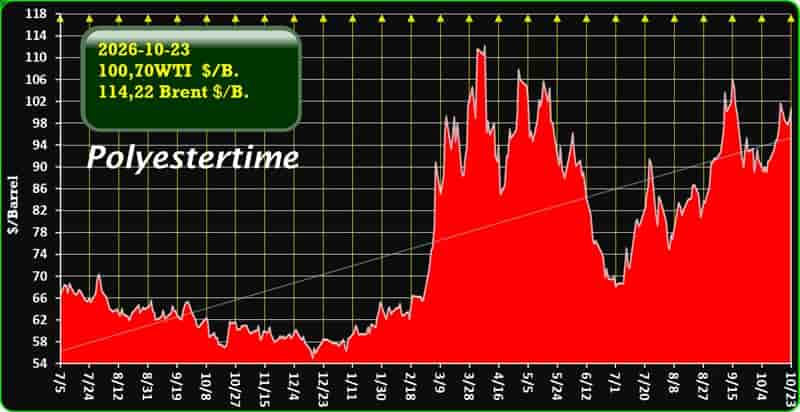
Crude Oil Prices Trend

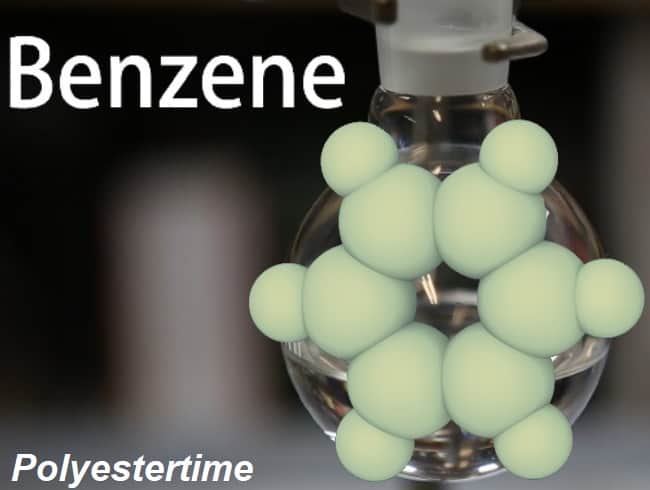
Benzene and Styrene Prices Dip Across Europe and Asia
Market Overview: Price Movements on Thursday
Benzene prices saw a noticeable drop across both European and Asian markets last Thursday, reflecting weaker regional demand and softening upstream costs.
In Europe, benzene prices fell by USD 5 per tonne.
The latest figures for FOB Rotterdam stood at USD 655–665 per tonne, down from Wednesday’s values. Industry sources attributed the decline to continued weakness in the European petrochemical sector. Food Packaging
Styrene followed a similar downward trend. Prices in FOB Rotterdam markets were recorded at USD 1,220–1,230 per tonne, also reflecting a USD 5 drop from the previous day.
Asia Sees Sharper Declines
In Asia, the benzene market experienced slightly more pronounced adjustments. FOB Korea benzene prices dropped by USD 10 to settle at USD 670–680 per tonne. Meanwhile, CFR China benzene prices were reported at USD 690–700 per tonne, down USD 5 compared to Wednesday.
Styrene prices in the region were even more volatile. FOB Korea styrene prices fell by USD 20, ending the day at USD 840–850 per tonne, highlighting a sharper correction in comparison to benzene.
Contract Update: May 2025 Styrene in Europe
Separately, the European contract price for styrene in May 2025 was finalized at EUR 1,456 per tonne CIF Northwest Europe. This marks a EUR 40 decrease from April 2025 estimates, aligning with the broader downward trend observed across global petrochemical markets. Food Packaging
Food Packaging Is Leaking Harmful Chemicals Into Your Meals
That snack you just opened? It might come with a side of synthetic chemicals
You unwrap a sandwich, pop open a can of soup, or microwave a ready meal—simple actions we do every day. But behind that convenience hides a silent threat: synthetic chemicals from packaging and processing materials are making their way into your food.
A recent study published in Nature Medicine reveals a growing concern about chemical contaminants originating not from ingredients, but from the materials used to store, process, and transport our food. Food Packaging
What Are These Chemicals and Where Are They Coming From?
Not from the food, but from everything around it
While most people worry about preservatives and artificial additives, researchers are now turning their attention to food contact materials—the plastics, papers, and metals that touch our meals from farm to fork.
These materials can contain bisphenols, phthalates, and PFAS (often referred to as “forever chemicals”). These aren’t ingredients; they’re intruders, migrating from containers into your food—especially in ultra-processed items.
Ultra-processed foods: a perfect storm
The more ultra-processed your food is, the more likely it’s been wrapped, heated, or stored in synthetic packaging. These foods don’t just contain artificial flavors and additives—they’re transported, processed, and packaged using materials that leak chemicals at every step. Food Packaging
The Four Stages of Contamination
1. Transportation
Food sits in lined containers for long periods, allowing chemicals to seep in.
2. Processing
Industrial machinery made from plastics and metals touches the food directly, increasing exposure.
3. Packaging
Plastic wraps and aluminum cans don’t just protect—they can leach chemicals like bisphenols directly into food.
4. Preparation
Microwaving food in plastic containers accelerates leaching, delivering synthetic contaminants straight to your plate.
These stages form an invisible delivery system for synthetic chemicals, and most people are unaware they’re part of the process. Food Packaging
The Health Consequences Are Alarming
The study links food-contact chemicals to a wide range of serious health issues:
- Hormonal imbalances
- Heart disease
- Certain cancers
- Metabolic disorders like diabetes
- Reproductive health impacts
It’s not just speculation. Jane Muncke, the study’s lead author and a scientist at the Food Packaging Forum Foundation, emphasizes that there is now strong evidence pointing to widespread contamination and clear health risks.
Why Aren’t We Doing More?
A public health blind spot
Despite decades of documentation, regulatory systems are lagging behind. Most food safety regulations don’t account for the full range of chemicals in packaging or for how they interact over time. Food Packaging
Outdated testing methods
Current testing protocols focus on known, individual chemicals. But modern food systems involve thousands of potential contaminants, many of which are untested or poorly understood.
The study urges a switch to comprehensive, modern testing methods capable of detecting microplastics and emerging contaminants before they reach your meal.
A Call for Safer Packaging and Smarter Policies
Food packaging should protect—not endanger—our health. That means redesigning materials to be safer and more sustainable. The authors call on policymakers to act decisively:
“We need to adopt a holistic approach that considers both planetary and human health,” said Muncke. “All food contact materials should be tested using updated, science-based methods.” Food Packaging
So, What Can You Do?
While policy changes are essential, personal choices matter too.
- Limit ultra-processed foods. Whole foods come with fewer chemical risks.
- Avoid microwaving plastic containers. Use glass or ceramic instead.
- Choose products in safer packaging. Look for BPA-free or certified materials.
The next time you grab a snack, ask yourself: what else am I eating besides food?
The study is published in the journal Nature Medicine.

Alterra Technology Marks Plastic Recycling Milestone in Australia
Viva Energy Geelong Refinery Successfully Trials Alterra’s Pyrolysis Oil
Alterra, a global innovator in advanced plastic recycling, has achieved a landmark breakthrough in Australia’s transition toward a circular plastic economy. In a recent collaboration, Alterra’s pyrolysis oil, derived from end-of-life plastics, was successfully processed at Viva Energy’s Geelong Refinery, marking a key step in scaling sustainable recycling solutions nationwide. Food Packaging
A First for Australia: 9.5 Tons of Pyrolysis Oil Processed
This week, a major trial at the Geelong Refinery saw 9.5 tons of Alterra’s plastic pyrolysis oil (PPO) processed through Viva Energy’s refining infrastructure. The oil—produced at Alterra’s facility in Akron, Ohio—was extracted from difficult-to-recycle post-consumer plastics, validating its quality and compatibility with traditional fuel processing systems.
The trial confirmed that Alterra’s proprietary technology can produce high-purity oil that integrates seamlessly into existing refinery operations. This breakthrough sets the stage for a scalable, long-term solution to soft plastics recycling in Australia.
Transforming Plastic Waste into Future Resources
“The successful trial confirms that our technology can be integrated seamlessly with conventional refining systems and deliver high-purity outputs from challenging plastic waste streams,” said Valerio Coppini, Chief Commercial Officer at Alterra. Food Packaging
Alterra’s innovative approach transforms used plastic into chemical building blocks, making them reusable as feedstock for new plastics and chemical products. This process doesn’t just divert waste—it reimagines plastic’s entire lifecycle.
The trial’s outcome strengthens Viva Energy’s case for developing a permanent soft plastics recycling facility in Australia. Such a facility could ensure sustainable reuse of plastics on an industrial scale—driving Australia toward its recycling and environmental goals.
Viva Energy Embraces the Circular Economy
“Over many decades the Geelong Refinery has played an important role in making fuels and other products which are essential to our way of life in Australia,” said Bill Patterson, Executive General Manager – Refining at Viva Energy. “This initiative is a critical step in demonstrating the various roles our facility can play in the energy transition, establishing a circular economy, and helping address Australia’s discarded plastic issue.” Food Packaging
This move aligns with Viva Energy’s broader mission to diversify its refining capabilities and support Australia’s energy and environmental transitions. By leveraging next-generation technologies like Alterra’s, the refinery is positioning itself as a hub for innovation and sustainability.
What This Means for Plastic Recycling in Australia
- ✅ Proven Technology: Alterra’s process is validated for industrial integration.
- ✅ Sustainable Scale-Up: Sets the foundation for full-scale recycling facilities.
- ✅ Circular Economy in Action: Waste becomes resource—closing the loop.
- ✅ National Impact: Potentially significant reduction in plastic sent to landfill.
This milestone is more than just a technical success—it’s a visionary step toward transforming how Australia manages plastic waste. With Alterra’s proven technology and Viva Energy’s refining capabilities, the future of plastic recycling looks cleaner, greener, and much more circular. Food Packaging

Faerch Launches Recycled PET Hot Drinking Lid to Revolutionize Coffee Sustainability
A Circular Step Forward in Beverage Packaging
In a significant stride toward circularity and sustainability, Faerch has unveiled its latest innovation: a hot drinking lid made from recycled PET (rPET). This new lid is crafted to meet the growing demand for environmentally responsible packaging in the coffee and beverage industries. Food Packaging
Made with up to 85% recycled PET plastic and fully recyclable into food-grade materials, the new lid offers businesses a chance to align with global sustainability goals without compromising convenience or performance.
“This launch is more than just a lid — it’s a step toward reshaping the industry,” says Michelle Lykke Barbesgaard, Director of Group Product Management at Faerch. “True innovation serves both people and the planet.”
Why This Innovation Matters
As consumer expectations shift toward greener alternatives, brands must evolve or risk falling behind. Faerch’s rPET lid answers that call by providing a practical, eco-conscious solution for hot beverage containers. Food Packaging
Key Benefits for Businesses:
- Elevates brand reputation through visible sustainability practices
- Complies with future-ready packaging regulations
- Reduces carbon footprint by using recycled materials
- Demonstrates leadership in circular economy initiatives
This is more than just packaging – it’s a statement of values and a way to connect with modern consumers.
Designed for Circularity and Legislation Compliance
With sustainability legislation rapidly evolving across global markets, staying compliant can be challenging. Faerch has designed its rPET lid to meet and exceed these emerging requirements. Food Packaging
Regulatory Peace of Mind
The lid helps businesses future-proof their packaging operations. Its circular design supports compliance with EU-wide and national mandates aimed at reducing single-use plastic and encouraging recyclability in the food and beverage sector.
A Lid That Performs – Without Compromise
Faerch knows that convenience is king, especially in the fast-moving coffee and takeaway market. That’s why the new rPET lid has been engineered with performance in mind.
Features Consumers Will Appreciate:
- Smooth and secure fit for a spill-free drinking experience
- Exceptional leak resistance for reliability on the go
- Durability that matches traditional materials, minus the waste
Whether it’s a commuter grabbing their morning espresso or a student sipping a latte between lectures, Faerch’s lid delivers the reliability they expect — with a lighter environmental impact. Food Packaging
Driving Change in the Coffee and Beverage Industry
Faerch isn’t just offering a product — it’s leading a movement. A movement that invites coffee chains, cafés, and beverage brands to be part of the solution to plastic pollution and climate change.
A Future Built One Cup at a Time
Sustainability and innovation no longer need to be at odds. With Faerch’s rPET hot drinking lid, businesses can stand out as forward-thinking, eco-conscious brands that don’t compromise on quality.
If your business is ready to lead — not follow — now’s the time to switch to circular packaging solutions that resonate with today’s consumers and tomorrow’s regulations.
Join the Circular Movement Today
With Faerch’s latest innovation, the opportunity is clear: do better for your customers, your brand, and the planet. Take the next step toward circularity and show the world your commitment to sustainable progress. Food Packaging
? Contact Faerch today to learn more about adopting the rPET hot drinking lid for your business.

EU Targets Glass Fibre Imports Amid Dumping Concerns
Customs Registration Begins for Bahrain, Egypt, and Thailand
The European Commission has officially begun customs registration of continuous filament glass fibre imports from Bahrain, Egypt, and Thailand. This move comes as part of an ongoing anti-dumping investigation launched in February 2025, following a formal complaint by the industry group Glass Fibre Europe.
Why Registration Matters
The products now under scrutiny include:
- Chopped glass fibre strands
- Specific rovings
- Filament mats
These materials are widely used in construction, automotive, and wind energy applications. The affected imports fall under designated CN and TARIC codes.
By placing these imports under registration, the EU reserves the right to retroactively impose anti-dumping duties. If the investigation confirms that dumping occurred and caused harm to EU manufacturers, duties may be applied to shipments dating back to the registration’s start date.
Alleged Dumping Margins Raise Alarm
In its original complaint, Glass Fibre Europe reported significant underpricing by exporters. The estimated dumping margins are:
- Bahrain: up to 49%
- Egypt: up to 95%
- Thailand: up to 146%
These figures suggest major price disparities compared to European market values. However, the European Commission has not yet made a final decision on whether duties will be enforced.
What’s Next in the Investigation?
The registration period will remain in effect for up to nine months. During this time, the Commission will:
- Gather further evidence
- Evaluate damage to EU producers
- Decide on permanent anti-dumping measures
Importers of the affected products should stay alert to regulatory developments and consider the possibility of retroactive cost implications.