Iran PET Supply Faces a Summer Logistics Test
Iran PET Supply Faces a Critical Summer Logistics Threat
Updated: August 3, 2026
Iran has the industrial capacity to supply polyethylene terephthalate, or PET, to its domestic packaging market. However, there is not enough recent, independently verified plant-level information to declare that the country faces no risk of a summer shortage.
The distinction matters. Production capacity is only one part of the supply equation. Feedstock deliveries, plant reliability, electricity, transportation, sanctions and access to shipping can all determine whether resin reaches bottle and packaging manufacturers on time.
What Iran’s PET producer previously reported
Shahid Tondgooyan Petrochemical Company, located in the Bandar Mahshahr area, has historically been identified as Iran’s principal producer of PET and purified terephthalic acid, or PTA.
In the earlier report that inspired this analysis, company management said PET production had reached approximately 1,200 tonnes per day over a 100-day period. That represented a reported 10% year-on-year increase.
Management also said the complex was receiving sufficient paraxylene from Nouri Petrochemical Company. Paraxylene is a key raw material used to make PTA, which is then combined with monoethylene glycol to produce PET.
Those figures describe conditions at the time of the original report. They should not be presented as current production statistics without a new company filing, exchange disclosure or dated operational statement.
Is there a PET shortage in Iran now?
No reliable source published between July 30 and August 2, 2026, was found providing a current production rate, inventory level or plant-utilisation figure for Shahid Tondgooyan.
Consequently, a nationwide PET shortage cannot be confirmed—but neither can it be ruled out solely on the basis of the older production announcement.
A more accurate conclusion is that Iran retains significant domestic PET capacity, while current availability remains dependent on operating continuity and logistics.
Strait of Hormuz disruption creates a new risk
The most recent verified developments concern regional transportation and energy markets rather than PET production itself.
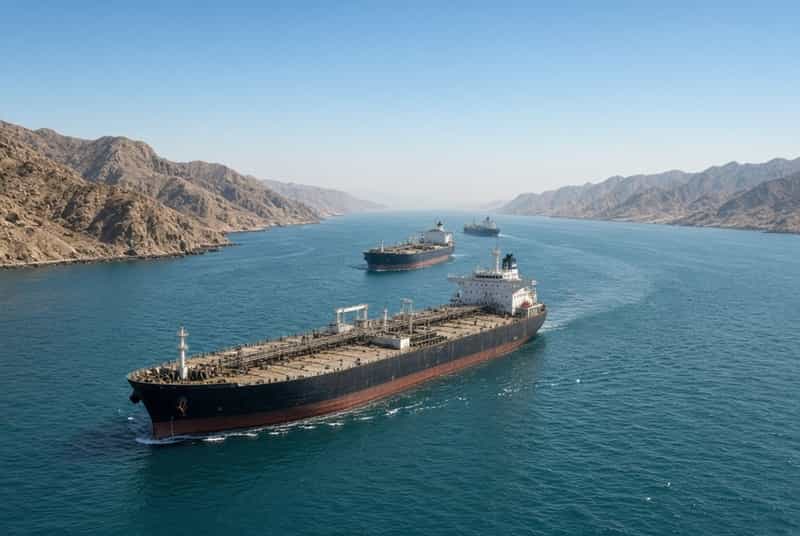
On July 31, Reuters reported that Iran said it had stopped two vessels attempting to leave the Strait of Hormuz. Four other tankers reportedly turned back. Reuters noted that some of the Iranian claims could not be independently confirmed, while shipping data showed other vessels passing through the waterway. The report also said oil prices rose by more than 1% that day.
This does not prove that Iranian PET production has been interrupted. It does, however, indicate a material logistics risk for petrochemical producers and customers.
Restrictions around the strait can affect marine insurance, freight charges, delivery schedules and access to imported equipment or chemicals. Higher energy prices may also raise manufacturing and transport costs throughout the plastics supply chain.
A separate July 31 market report documented the wider economic effects of renewed regional disruption, including rising fuel costs. The Guardian’s July 31 business coverage provides additional context.
Summer demand could tighten the market
Demand for bottle-grade PET normally becomes more important during hot weather as consumption of bottled water, soft drinks and other packaged beverages increases.
PET is also used in food containers and some pharmaceutical, healthcare, cosmetics and personal-care packaging. A disruption can therefore affect several industries at once.
Even when a producer has enough installed capacity, temporary shortages may emerge downstream if converters cannot obtain the required resin grade, deliveries arrive late or manufacturers build precautionary inventories.
This means buyers should monitor actual deliveries and market inventories instead of relying only on annual nameplate capacity. Iran PET supply
Feedstock availability remains critical
A stable PET supply chain requires more than paraxylene. Producers also need dependable PTA and monoethylene glycol supplies, utilities, maintenance services and transportation.
The earlier company statement indicated that paraxylene deliveries exceeded the plant’s stated annual requirement at that time. That was an encouraging operational signal, but it is not evidence of today’s feedstock position.
Current assessments should be based on dated information covering:
-
PET and PTA production rates
-
Plant operating rates and maintenance
-
Paraxylene and monoethylene glycol deliveries
-
Domestic PET inventories
-
Prices on Iran’s commodity market
-
Deliveries to bottle and packaging manufacturers
Without those indicators, categorical claims about either abundance or shortage would be premature.
What packaging manufacturers should watch
Converters and beverage producers should pay particular attention to lead times and contract fulfilment. These measurements can reveal tightening conditions before a formal shortage is announced.
Manufacturers may also consider maintaining more than one approved supplier where legally and technically possible. Different PET grades cannot always be substituted without testing, especially when the material is intended for food or beverage contact.
Businesses should separately monitor logistics and compliance risks. A plant can continue operating while customers still encounter delays, higher freight costs or payment restrictions.
Outlook for Iran PET supply
Iran’s domestic production base remains an important defence against seasonal PET scarcity. Nevertheless, the old assurance that there would be “no shortage” cannot responsibly be carried forward as a description of conditions in August 2026.
The available evidence supports a cautious outlook: domestic capacity may be sufficient, but shipping disruption and the absence of recent plant-level data make near-term certainty impossible.
A fresh operational disclosure from Shahid Tondgooyan—covering output, inventory, feedstock and deliveries—would provide the clearest evidence about whether Iran can meet peak summer demand without interruption.
Frequently asked questions
What is PET?
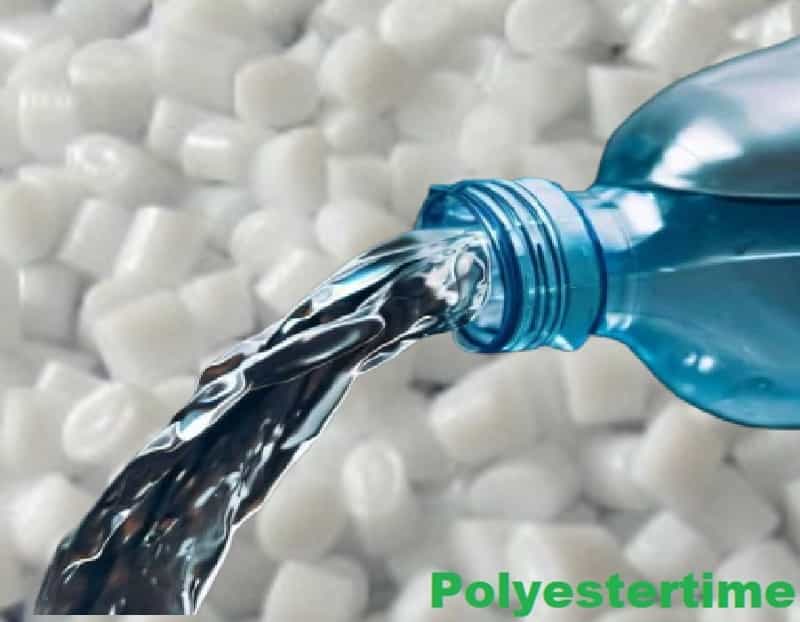
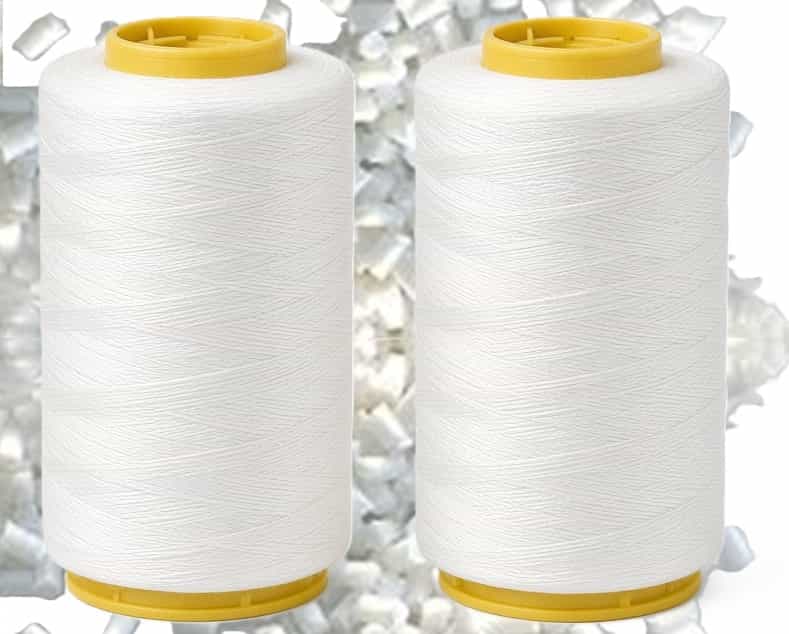
Polyethylene terephthalate is a polyester commonly used for beverage bottles, food containers, packaging film and textile fibres.
Who produces PET in Iran?
Shahid Tondgooyan Petrochemical Company has historically been identified as Iran’s principal domestic PET producer.
Is Iran experiencing a PET shortage?
A current nationwide shortage has not been established by reliable reporting reviewed for this article. Recent plant-level figures are also unavailable, so an absence of risk cannot be confirmed.
Why does the Strait of Hormuz matter to PET?
Disruption around the strait can increase freight, insurance and energy costs and delay petrochemical feedstocks or finished products. This is a supply-chain risk, not proof that PET production has stopped.
Why Belgian PET Production Is Strategically Important
More…