US-Iran War: Oil Prices Fall as Diplomacy Returns
US Iran oil prices
US-Iran War: Oil Prices Fall as Diplomacy Returns
Updated: August 3, 2026
Oil prices have fallen sharply as investors respond to signs that the United States may pause further attacks on Iran and pursue a negotiated end to the conflict.
The immediate price decline reflects cautious optimism, not a resolution of the war. Shipping through the Strait of Hormuz remains the central issue for the oil market, while the durability and terms of any agreement have yet to be established.
Key points
-
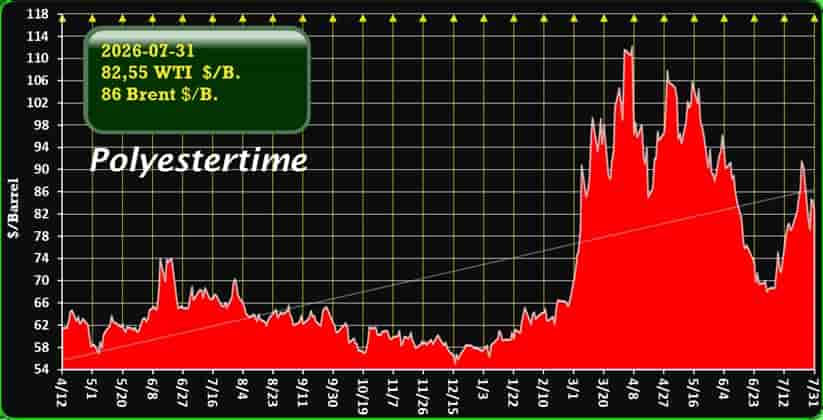
WTI crude was trading near $80.79 a barrel in the latest verified snapshot.
-
Brent crude was near $83.87 a barrel.
-
Prices fell by roughly 5% after the United States held off on additional strikes.
-
The Strait of Hormuz remains the most important source of supply risk.
-
A lasting agreement could reduce the geopolitical premium in oil prices.
-
Renewed attacks or failed negotiations could quickly reverse the decline.
Why are oil prices falling?
The latest fall in US Iran oil prices followed President Donald Trump’s announcement that American forces would hold off on additional attacks against Iran while diplomatic efforts continued.
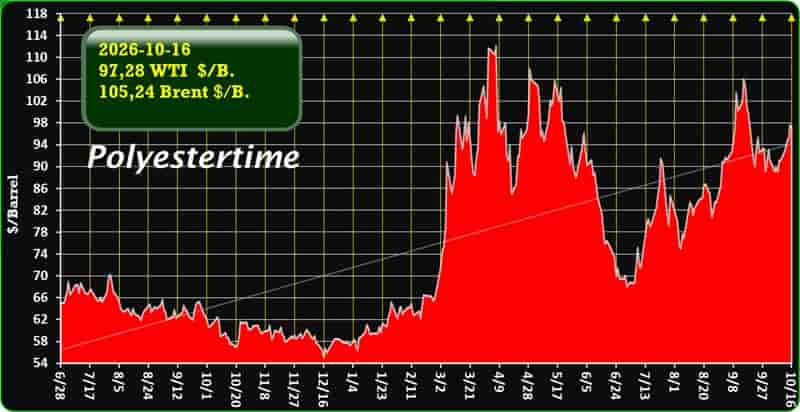
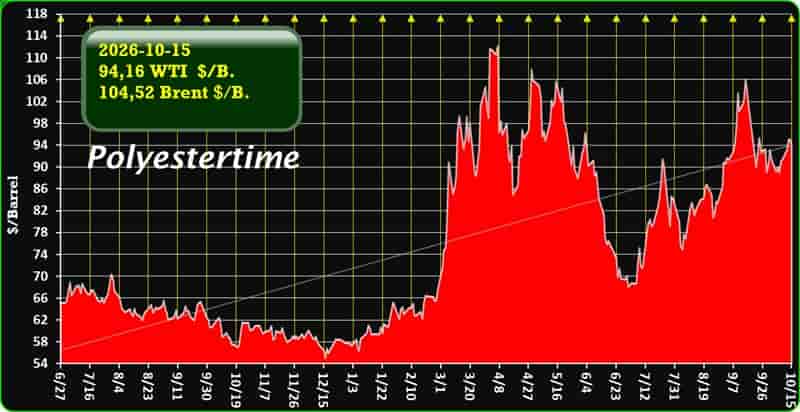
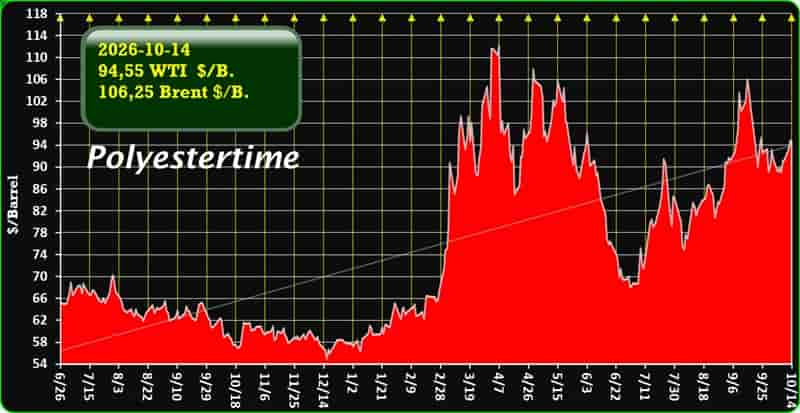
WTI, the principal US crude benchmark, fell to approximately $80.79 a barrel. Brent, the international benchmark, declined to around $83.87, according to the latest Associated Press market report.
These figures supersede earlier or differently timed market readings—including snapshots near $79 and $83 a barrel. Oil trades almost continuously, and prices may differ because of contract month, currency, delayed data or the time at which a quote was recorded.
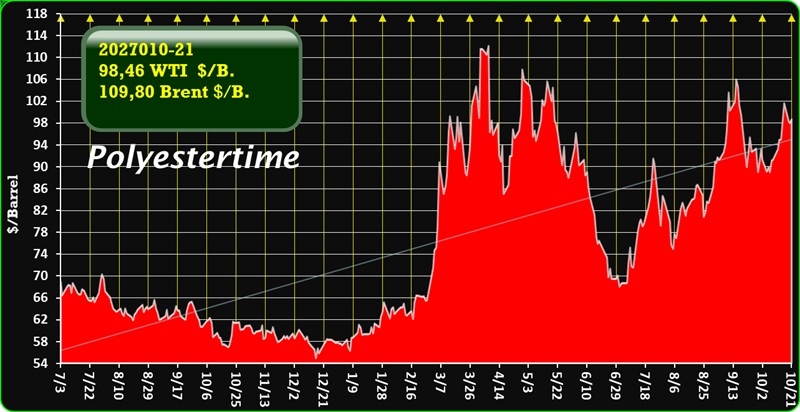
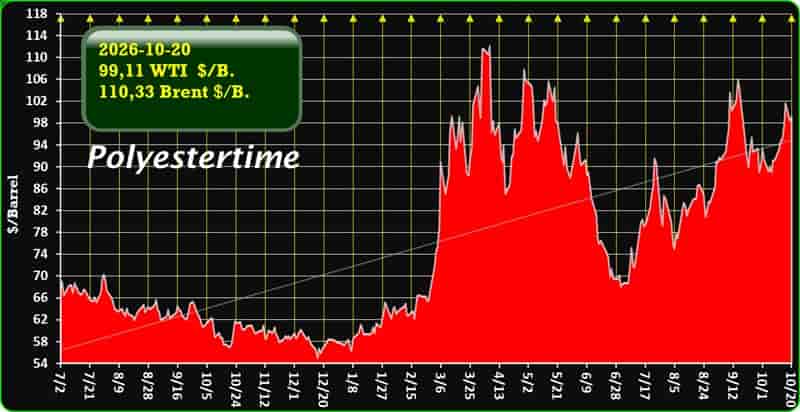
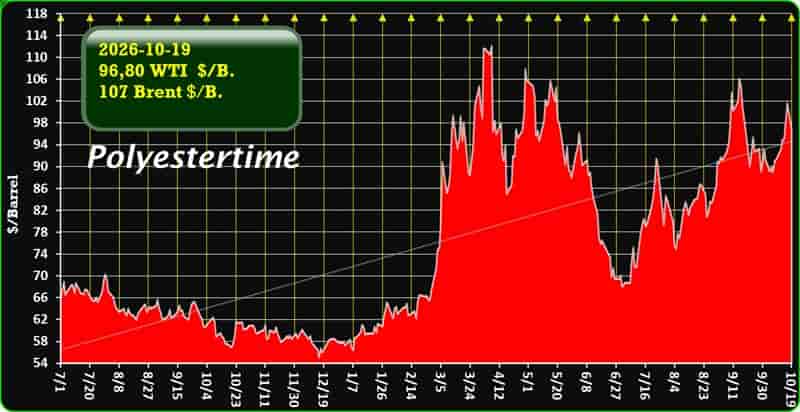
The market reaction illustrates how much of the recent oil-price increase represented a geopolitical risk premium. When traders see a lower probability of attacks on tankers, ports or energy infrastructure, that premium can shrink rapidly.
However, falling prices do not mean that the underlying risks have disappeared. US Iran oil prices
What is happening in the US-Iran war?
The conflict began with US and Israeli attacks on Iran in February 2026 and has continued for more than five months. It has involved attacks on military targets, shipping disruption and repeated attempts at mediation.
Trump said Middle Eastern countries had developed the outline of a possible agreement and that the United States would suspend planned strikes. The proposed framework reportedly includes reopening the Strait of Hormuz and addressing Iran’s nuclear program.
At the time of writing, the announcement should be treated as a preliminary diplomatic development rather than a completed peace agreement. Important details—including verification, implementation and Iran’s formal commitments—remain uncertain.
That distinction matters for oil markets. Prices can fall on expectations of de-escalation even before physical oil movements return to normal. They can also rebound abruptly if talks fail.
Why the Strait of Hormuz matters
The Strait of Hormuz connects the Persian Gulf with the Gulf of Oman and the Arabian Sea. It is one of the world’s most important energy corridors.
Approximately 20.9 million barrels per day of crude oil, condensate and petroleum products passed through the strait during the first half of 2025. That was equivalent to about 20% of global petroleum-liquids consumption and one-quarter of maritime oil trade, according to the US Energy Information Administration.
There are pipelines capable of bypassing the strait, but their capacity is limited. The principal Saudi and Emirati alternatives could carry approximately 4.7 million barrels per day—only a fraction of normal Hormuz traffic.
This explains why threats to the waterway have such a large effect on prices. Even without a complete physical closure, attacks, higher insurance premiums, delayed voyages and reluctant shipowners can constrain supply and raise transportation costs.
Could oil prices continue to fall?
Oil could move lower if diplomacy produces visible and verifiable results.
The most price-negative developments would include:
-
A sustained halt to US and Iranian attacks
-
Safe and regular passage for commercial tankers
-
Lower maritime insurance and freight costs
-
The release of oil cargoes delayed inside the Persian Gulf
-
A formal, enforceable agreement supported by regional governments
In that scenario, traders could remove more of the conflict premium embedded in Brent and WTI prices. Increased exports through alternative infrastructure, including the Iraq-Turkey pipeline, may provide additional—but limited—relief.
A fall is not guaranteed. Global consumption, inventories, refinery demand, OPEC+ production decisions and economic conditions will continue to influence the market even if geopolitical tension declines.
What could push prices higher again?
The clearest upside risk is a breakdown in negotiations followed by renewed military action.
Attacks on tankers, export terminals, pipelines or Gulf production facilities could cause prices to rise quickly. A prolonged restriction of the Strait of Hormuz would present a much larger risk because alternative routes cannot replace its full normal volume.
Other factors to watch include:
-
Evidence that commercial shipping remains restricted
-
New US, Israeli or Iranian military operations
-
Retaliation against Gulf energy infrastructure
-
Higher tanker-insurance premiums
-
Changes to OPEC+ production policy
-
Unexpected declines in commercial oil inventories
The market is therefore likely to remain volatile. A single headline may change expectations before it changes the physical balance between supply and demand.
What higher oil prices mean for consumers
Crude-oil prices affect far more than petrol and diesel. They also influence jet fuel, freight, plastics, chemicals and the cost of transporting food and manufactured goods.
The effects are not immediate or uniform. Taxes, refinery margins, exchange rates, inventories and regional supply conditions determine how quickly a change in crude prices reaches consumers.
Persistent price increases can add to inflation and complicate central-bank decisions. Conversely, a lasting decline in oil and shipping costs could reduce some of that pressure.
Outlook for Brent and WTI
In the short term, diplomacy and maritime security are likely to have more influence on oil than conventional supply-and-demand forecasts.
A durable reopening of the Strait of Hormuz would support lower volatility and could remove part of the war premium. An agreement that exists only in political statements, without safer and more regular tanker traffic, would provide less reassurance.
Readers should therefore watch actual vessel movements, freight and insurance costs, official Iranian and US statements, and independently verified evidence of implementation—not price moves alone.
Frequently asked questions
Why did oil prices fall today?
Oil prices fell after the United States held off on further strikes against Iran and renewed diplomacy raised expectations of safer shipping through the Persian Gulf.
Has the US-Iran war ended?
No confirmed final settlement had been implemented at the time of writing. The latest development concerns a possible framework and the suspension of planned strikes.
Is the Strait of Hormuz open?
Traffic conditions remain disrupted and should not be described simply as fully open or fully closed. The key question is whether commercial shipping can resume safely, consistently and at normal volumes.
How much oil normally passes through the Strait of Hormuz?
EIA data show that approximately 20.9 million barrels per day of petroleum liquids passed through the strait in the first half of 2025.
Will petrol prices fall?
They may fall if lower crude prices persist, but the timing depends on refining costs, inventories, taxes, exchange rates and local competition.
Sources and methodology
This report distinguishes confirmed events from political claims and market expectations. Prices are time-sensitive and should be checked again immediately before publication.
Sources:
-
US Energy Information Administration: world oil transit chokepoints
-
US Energy Information Administration: Short-Term Energy Outlook
This article is informational and does not constitute investment advice.
US Iran Oil Prices Balance at $86 Brent: Key Drivers and Global Market Outlook