Recyclability Certification – Plastchim-T Expands in Italy with New BOPP Film Extrusion Line Strategic Investment in Sessa Aurunca Plant 12-05-2025 - Archive
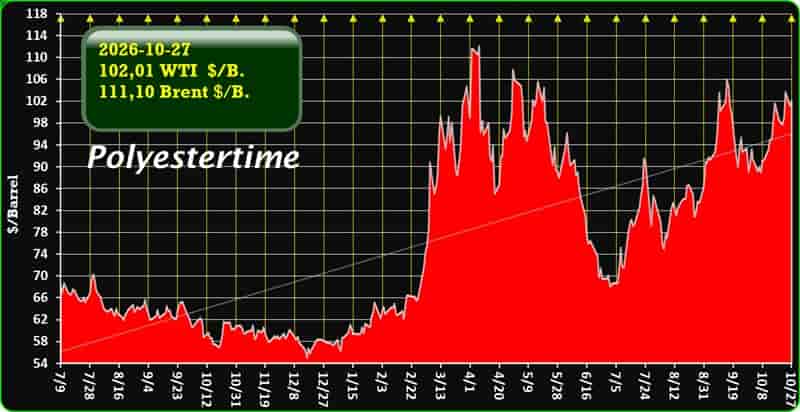
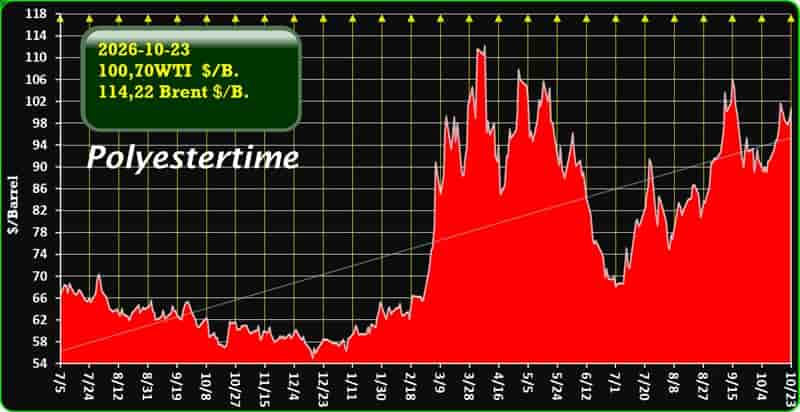
Crude Oil Prices Trend

Petrochemicals – Million Recycling Investment Plan in Campania A Major Push for a Circular Economy in Southern Italy D&D Holding, a forward-thinking industrial group based in Aversa, Campania, has unveiled a robust €15 million investment plan focused on waste recycling and sustainability

BASF and Plug Power Join Forces to Revolutionize Hydrogen Liquefaction
Strategic Partnership Enhances Hydrogen Plant Efficiency and Reliability
BASF has entered into a landmark Cooperation Agreement with Plug Power, a global frontrunner in green hydrogen solutions. This collaboration will integrate BASF’s advanced DeOxo purification catalysts into Plug Power’s hydrogen liquefaction plants worldwide. The goal? To deliver enhanced reliability and cost efficiency across Plug Power’s growing network of facilities.
By merging BASF’s purification expertise with Plug Power’s hydrogen infrastructure, this partnership aims to redefine performance benchmarks in the liquid hydrogen (LH₂) market. Recyclability Certification
Cutting-Edge Catalysts for Advanced Purification
At the core of this collaboration is BASF’s DeOxo catalyst technology, particularly the Purivate® Pd15 catalyst. Engineered for high performance at low temperatures, these catalysts reduce the need for costly precious metals while maintaining exceptional efficiency. Their ability to effectively remove oxygen is critical to ensuring hydrogen purity at industrial scales.
These materials have now been fully qualified for integration into Plug Power’s liquefaction systems, affirming their reliability and compatibility with modern hydrogen operations.
Energy-Efficient Hydrogen Drying with Sorbead® Air
Beyond oxygen removal, Plug Power has also adopted BASF’s Sorbead® Air, a specialty aluminosilicate gel designed for energy-efficient dehydration of electrolyzed hydrogen. Sorbead Air helps improve the overall energy footprint of hydrogen plants by reducing drying times and lowering operating costs—making it a perfect fit for Plug Power’s commitment to sustainable hydrogen production. Recyclability Certification
Targeting Next-Generation Hydrogen Plants: 30 to 90 TPD Capacity
The collaboration is centered around large-scale H₂ liquefaction facilities with capacities of 30, 60, and 90 tons per day (TPD). These plants are key to building a resilient and scalable hydrogen economy, particularly in mobility, energy storage, and industrial applications.
BASF’s catalysts passed rigorous technical qualification tests, backed by a strong portfolio of global installations and a deep legacy in hydrogen purification technologies.
Industry Leaders on the Collaboration Recyclability Certification
“BASF has a rich history in hydrogen purification,” said Detlef Ruff, Senior Vice President, Chemical Catalysts and Adsorbents at BASF.
“We operate large-scale purification units in our own facilities and are trusted by leaders across the green hydrogen space. Partnering with Plug Power is a significant step in expanding our impact.”
Daniel Kennedy, Vice President of Process Technology at Plug Power, echoed the sentiment:
“Plug Power values BASF’s extensive experience and purification know-how. This partnership ensures our customers receive end-to-end solutions that are both proven and economical, especially in the fast-evolving liquid hydrogen sector.”
What This Means for the Green Hydrogen Industry
This partnership is more than just a business agreement—it’s a powerful step forward for the global green hydrogen economy. By combining BASF’s purification excellence with Plug Power’s infrastructure leadership, the two companies aim to set new industry standards for performance, reliability, and cost-effectiveness.
With demand for clean hydrogen rising sharply in response to climate targets and energy transition goals, technologies that reduce complexity and improve efficiency will be crucial. This collaboration positions both companies at the forefront of that transformation.
Final Thoughts
The agreement between BASF and Plug Power marks a critical inflection point in the advancement of sustainable hydrogen infrastructure.
As more nations and industries invest in clean energy, scalable and efficient liquefaction technologies—like those being developed by Plug Power, supported by BASF’s purification systems—will be indispensable. Recyclability Certification
Stay tuned as this partnership unfolds and shapes the future of liquid hydrogen on a global scale.

Recyclability Certification Achieved for MCC’s Food Packaging Film with SoarnoL™ and Soaresin™
MCC’s Sustainable Packaging Innovation Gains Recognition
Mitsubishi Chemical Corporation (MCC) has announced a major milestone in sustainable food packaging: its innovative multi-layer film, featuring the gas barrier resin SoarnoL™ and recycling aid Soaresin™, has received recyclability certification from the Association of Plastic Recyclers (APR) in the United States.
This certification underlines MCC’s commitment to developing environmentally responsible solutions in the plastics and packaging industry. Recyclability Certification
What Makes SoarnoL™ Special?
SoarnoL™ is MCC’s proprietary ethylene-vinyl alcohol (EVOH) resin. This advanced material stands out for its:
- High gas barrier properties – keeping oxygen out and freshness in.
- Oil resistance – suitable for a wide range of food products.
- Clarity – ensuring packaging remains transparent and visually appealing.
Thanks to these features, SoarnoL™ extends the shelf life and quality of packaged food, playing a direct role in reducing food waste. Moreover, its thin-profile application means less plastic is used, helping to minimize environmental impact without compromising performance.
Soaresin™: A Key to Circular Recycling
Recyclability is a crucial focus in sustainable packaging. While multi-layer films traditionally pose challenges in recycling due to the combination of different resins, MCC’s solution incorporates Soaresin™, a recycling aid that:
- Improves compatibility between resins in multi-layer structures.
- Enhances the overall quality of recycled plastic. Recyclability Certification
The certified film, made from a polyethylene-based structure with 15wt% SoarnoL™, proved recyclable even in more complex applications. The addition of Soaresin™ made a measurable difference in achieving this recyclability benchmark.
Industry-Recognized Recyclability
Receiving the APR certification marks an important recognition by one of the world’s leading plastic recyclability organizations.
In addition, MCC has also obtained a pre-qualification letter from How2Recycle, a well-known labeling initiative that helps consumers properly sort and dispose of packaging.
These certifications are more than industry accolades—they confirm the real-world recyclability and circular potential of MCC’s packaging films, aligning with the company’s efforts to reduce plastic waste at scale. Recyclability Certification
Aligning with KAITEKI Vision 35
This achievement directly supports the KAITEKI Vision 35, MCC Group’s long-term management strategy centered on sustainability
and well-being. One of the key areas under this vision is maintaining food quality through innovation.
The development of recyclable, high-performance packaging materials like this film illustrates how MCC is turning vision into action.
A Step Forward in Sustainable Packaging
MCC’s certified packaging solution delivers a double benefit:
- Preserving food freshness through superior gas barrier performance.
- Enabling recyclability, even in complex multi-layer formats.
By combining these qualities, the film meets the pressing demands of both consumers and the environment—longer-lasting food and less plastic waste. Recyclability Certification
Why This Matters for the Industry
With rising regulatory pressure and consumer awareness around single-use plastics, companies are actively seeking materials that meet performance, sustainability, and regulatory compliance. MCC’s solution offers:
- A practical, tested option for brands aiming to adopt recyclable flexible packaging.
- A scalable model that supports global sustainability goals.
Final Thoughts
Mitsubishi Chemical Corporation continues to lead the way in sustainable material innovation.
The recyclability certification of its multi-layer film featuring SoarnoL™ and Soaresin™ not only demonstrates technological progress but
also reinforces its mission to build a more circular and sustainable society. As the demand for eco-conscious packaging grows, innovations like these will be central to reshaping the industry’s future. Recyclability Certification

Zelda Water Bottle: Where Sustainability Meets Sleek Design
Gentlebrand Design Agency has unveiled an exciting new venture in the bottled water industry: the Zelda Water Bottle, a minimalist, label-free container crafted with sustainability at its core. Aimed at redefining how we think about bottled water, the Zelda project combines design innovation, environmental consciousness, and practical function.
A New Standard in Eco-Friendly Packaging
At the heart of the Zelda Water Bottle is its 100% BioPET construction — a fully renewable, bio-based material that reflects a commitment to eco-responsibility without compromising on aesthetics. Unlike traditional plastic bottles, BioPET is derived from biological sources, making it a forward-thinking alternative that reduces dependence on fossil fuels. Recyclability Certification
Eliminating the label entirely adds another layer of sustainability. This not only enhances the bottle’s clean, transparent look but also improves recyclability by removing mixed materials from the equation.
Inspired Design for the Premium Market
The Zelda bottle takes cues from its Horeca (Hotel, Restaurant, Catering) counterpart, known for its flowing lines and high-end appeal. The result is a minimalist and transparent bottle that communicates elegance while offering a strong and recognizable brand identity.
Whether it’s served in upscale dining settings or taken on the go, the Zelda Water Bottle maintains a refined presence that speaks to conscious consumers and premium markets alike. Recyclability Certification
Smartweight™ Technology: Less is More
One of the standout features of the Zelda bottle is its Smartweight™ technology. This advanced design approach reduces packaging weight without compromising durability or usability. By minimizing the material used, the technology brings efficiency to every stage of the product lifecycle:
- Production becomes less resource-intensive
- Transportation is lighter and more fuel-efficient
- Disposal and recycling are simpler and more eco-friendly
The overall effect is a product that performs efficiently from cradle to grave — all while shrinking its environmental footprint.
Four Sizes for All Lifestyles
Zelda Water is available in four different formats to suit a variety of needs:
- 20 cl – Perfect for quick refreshment on the go
- 33 cl – A compact option for personal use Recyclability Certification
- 55 cl – Ideal for lunch breaks or short outings
- 150 cl – A larger size for shared consumption or extended hydration
This thoughtful range reflects a versatile design approach that accommodates everything from fine dining to outdoor adventures.
Designed for a Circular Future
Sustainability is not just about materials — it’s about lifecycle thinking. The Zelda Water Bottle is fully recyclable under European RecyClass Guidelines, ensuring that it can be efficiently repurposed after use. This commitment supports a circular economy, where resources are reused rather than wasted.
By focusing on mono-material packaging, Zelda reduces contamination in the recycling stream, paving the way for cleaner, more effective reuse of resources. Recyclability Certification
The Future of Bottled Water is Here
Gentlebrand’s Zelda Water project represents more than a stylish redesign — it’s a visionary step toward sustainable packaging in the beverage industry. With its BioPET composition, Smartweight technology, and label-free clarity, the Zelda bottle aligns with growing consumer demand for eco-conscious products that don’t sacrifice form for function.
Whether you’re an environmentally aware shopper or a business in the hospitality sector looking to elevate your sustainability profile, Zelda Water is a compelling choice that shows how innovation and responsibility can coexist beautifully. Recyclability Certification

Plastchim-T Expands in Italy with New BOPP Film Extrusion Line
Strategic Investment in Sessa Aurunca Plant
Plastchim-T, a leading Bulgarian producer of flexible packaging films, is making a significant investment in its recently acquired Italian facility. The company has announced the installation of a new extrusion line for biaxially oriented polypropylene (BOPP) films at the Manucor plant in Sessa Aurunca, located in Italy’s Caserta province.
The new production line, ordered from renowned German manufacturer Brückner Maschinenbau, will feature a width of 8.7 meters and is designed for the production of five-layer BOPP films. It is scheduled to begin operations in the fourth quarter of 2026.
Strengthening European Production Capabilities
This move follows Plastchim-T’s 2024 acquisition of Manucor and reflects its long-term strategy to expand across Europe. The investment reinforces the company’s commitment to high-performance film production and innovation. Recyclability Certification
“These investments, in a rather unstable global context, testify to our nature as a solid family business,” said Beyan Faik, General Manager of Plastchim-T. “After acquiring Manucor, we’re now looking to the future with a new production plant, particularly expanding our portfolio in the specialty films sector.”
A Long-Term Commitment to Italian Manufacturing
The investment has been welcomed by Luigi Scagliotti, CEO of Manucor, who emphasized the significance of the move:
“With this initiative, Plastchim-T demonstrates a clear commitment to the Sessa Aurunca site, as well as to film production in Italy and Europe in general.”
This strategic expansion underscores Plastchim-T’s goal of becoming a pan-European leader in sustainable flexible packaging materials.
A Leader in Flexible Packaging Solutions
Plastchim-T is one of Europe’s foremost producers of:
- Biaxially Oriented Polypropylene (BOPP) Films
- Cast Polypropylene (CPP) Films
- Flexible Packaging Solutions
The Sessa Aurunca site specializes in the production of BOPP films used for flexible food packaging, self-adhesive tapes, and wrap-around labels. With a capacity of 80,000 tons per year and approximately 250 employees, the plant plays a central role in Plastchim-T’s operations. Recyclability Certification
Group-wide, Plastchim-T boasts a total production capacity of more than 200,000 tons annually, serving a wide range of industries and markets across Europe.
Looking Ahead
The launch of the new BOPP line in 2026 positions Plastchim-T to better meet market demands, drive innovation, and support regional growth. This move reflects a broader commitment to sustainability, technological advancement, and excellence in flexible packaging.
As the company strengthens its manufacturing footprint in Italy, Plastchim-T continues to build on its reputation as a trusted and forward-looking partner in the European packaging industry. Recyclability Certification

PEI Resins Revolutionize EV Motor and Inverter Performance
Sabic’s Ultem Resin: A New Benchmark in High-Voltage EV Applications
In a major leap for electric vehicle (EV) innovation, Sabic has introduced a new high-heat polyetherimide (PEI) resin under its Ultem™ brand, targeting the demanding performance needs of EV drive systems. This specialty thermoplastic is engineered to serve as magnet wire insulation in high-voltage electric traction motors and is also a key component in advanced AC/DC inverter capacitors.
The Ultem resin stands out for its excellent thermal and electrical performance, making it ideal for environments where high voltage and elevated temperatures are common—especially in the next generation of 800V EV powertrains. Recyclability Certification
High-Performance Dielectric Film for Capacitors
Sabic’s Ultem resin is featured in the Elcres™ HTV150 dielectric film, now being used by Nichicon Corporation in advanced film capacitors. These capacitors are critical to AC/DC inverters in EVs, operating reliably at temperatures up to 150°C with minimal derating.
What Does “Minimal Derating” Mean?
Derating typically involves reducing a component’s voltage rating under high temperatures to ensure reliability. However, Nichicon’s capacitors using Elcres HTV150 showed minimal derating—only 4.8% at 130°C and 14% at 150°C—compared to traditional materials like biaxially oriented polypropylene (BOPP), which may see up to a 50% drop in rated voltage at 125°C. This represents a huge advantage in compact, high-efficiency EV systems. Recyclability Certification
Meeting the Challenge of Higher Voltages
“Higher voltages are a common theme across electrical applications from connectors and capacitors to wire and cable,” said Sergi Monros, Vice President at Sabic Polymers, Specialties Business Unit. “Our specialty materials are designed to perform under high stress, enabling the creation of next-generation electrified components.”
By withstanding elevated voltages and temperatures, Sabic’s materials help automakers maximize efficiency without compromising safety or durability.
Ultem Resin for Magnet Wire Insulation: Thinner, Greener, Better
Sabic is also launching a new extrusion-grade Ultem resin optimized for magnet wire insulation in EV traction motors. The material offers several performance and sustainability advantages over existing solutions.
Key Benefits Over PEEK and PI Coatings
- No Primer Needed: Unlike polyetheretherketone (PEEK), Sabic’s Ultem resin does not require a primer, simplifying the insulation process.
- Thinner Gauge: It can be applied in layers up to 30% thinner than PEEK, helping reduce motor size and weight.
- Consistent Dielectric Properties: The resin maintains a low, stable dielectric constant even at 220°C.
- Environmentally Friendly: Unlike polyimide (PI) enamel coatings, which emit volatile organic compounds (VOCs), Sabic’s Ultem resin is solvent-free, supporting regulatory compliance and workplace safety. Recyclability Certification
Productivity Boost for EV Manufacturers
The manufacturing process for Sabic’s Ultem-based wire insulation is also more efficient. It supports mono-layer extrusion and requires just one processing pass, in stark contrast to the 20 or more passes needed for PI enamel coatings. This enhances throughput, reduces cost, and contributes to sustainable production.
Final Thoughts: Driving the Future of E-Mobility
As EV technology evolves rapidly, so do the demands placed on its components. Sabic’s new Ultem resins demonstrate how advanced materials can address thermal, electrical, and environmental challenges in a single solution. With its dual focus on performance and sustainability, this innovation is poised to support the next generation of EV motors and inverters. Recyclability Certification
For automakers and suppliers looking to push the limits of electric drive systems, Sabic’s PEI-based Ultem resins offer a competitive edge that aligns with the industry’s shift toward higher voltages, compact systems, and greener production methods.